
Dental implant infections, known as peri-implantitis, are a significant concern in dental care. Treating these infections effectively requires a multifaceted approach. Initially, the dentist performs a thorough examination to assess the extent of the infection. This may include x-rays or other imaging techniques to evaluate the bone and tissue around the implant.
The first step in treatment usually involves meticulous cleaning of the infected area. Specialized instruments are used to remove plaque and tartar buildup around the implant. In some cases, a local antimicrobial agent might be applied directly to the affected area to reduce bacteria. For more advanced infections, systemic antibiotics may be prescribed. These antibiotics are selected based on the specific bacteria causing the infection, which is often determined through bacterial culture tests.
In severe cases of peri-implantitis where there is significant bone loss or if the implant is failing, surgical intervention might be necessary. This can involve either regenerative procedures to rebuild the lost bone and tissue or removal of the infected implant. Regenerative procedures often use bone grafts and guided tissue regeneration techniques to encourage the body’s natural healing processes. If an implant needs to be removed, it’s usually replaced with a new implant after the infection has been fully treated and the area has healed.
Throughout the treatment process, patients are advised to maintain excellent oral hygiene and to quit smoking if they smoke, as smoking can significantly hinder the healing process. Regular follow-ups are essential to monitor the healing process and to prevent future infections. This comprehensive approach aims to not only treat the infection but also to preserve the dental implant and maintain overall oral health.
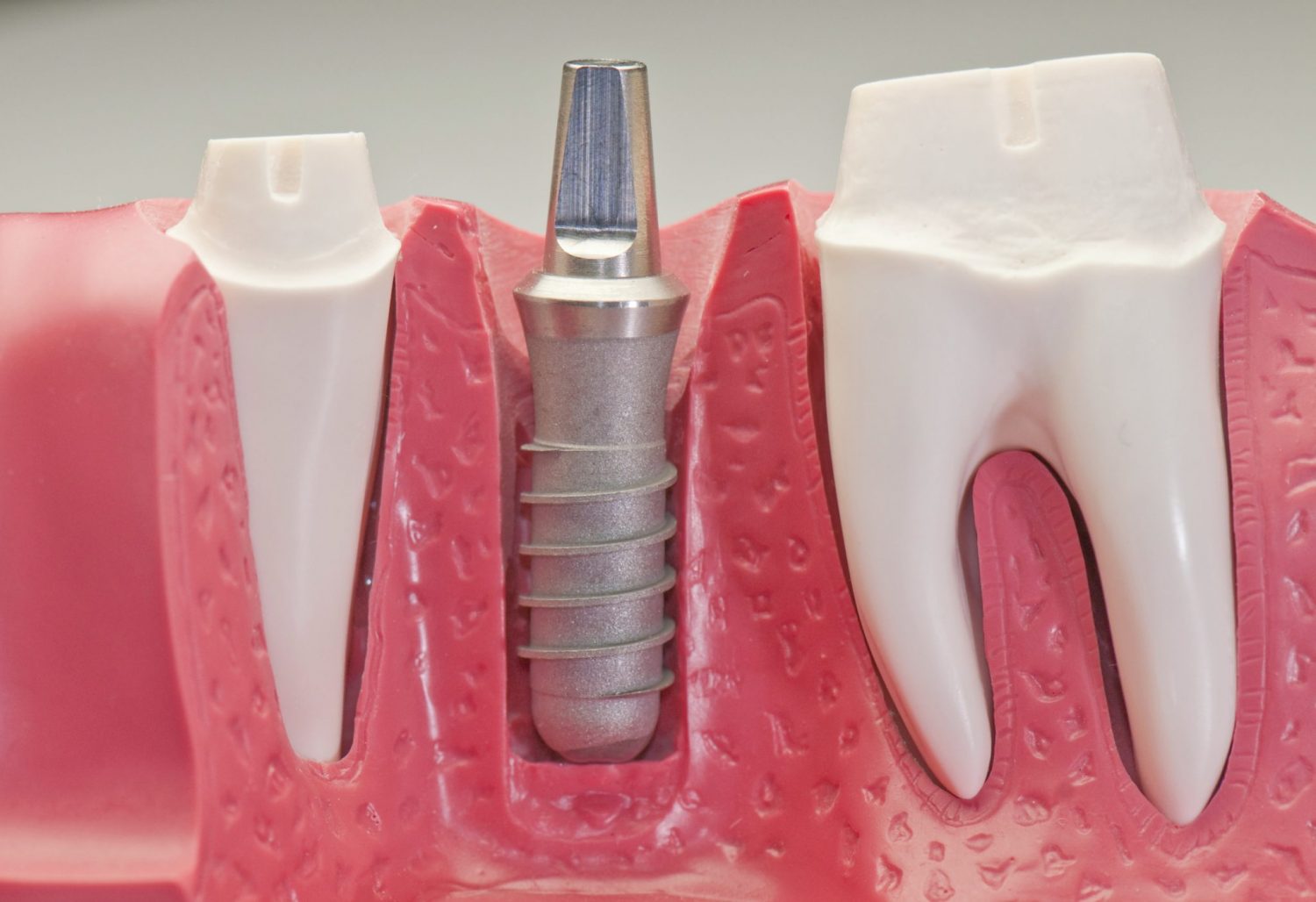
Understanding Dental Implant Infections: Causes and Symptoms
Understanding dental implant infections, often referred to as peri-implantitis, is crucial in the realm of dental health. These infections occur around the dental implant and are generally caused by bacteria. Poor oral hygiene can lead to the accumulation of bacteria around the implant, resulting in inflammation and infection of the surrounding tissues. Other contributing factors include smoking, which impairs healing and immune response, and pre-existing conditions like diabetes, which can affect the body’s ability to fight infection. It’s also important to note that incorrect placement or overloading of the implant can contribute to the development of peri-implantitis.
The symptoms of dental implant infections can vary but typically include redness, swelling, and pain around the implant site. Patients may also notice bleeding when brushing or flossing around the implant. In more advanced cases, there can be pus discharge, indicating a more severe infection. Another telling symptom is the gradual loss of bone around the implant, which can sometimes be detected only through X-rays or other dental imaging techniques. Bad breath or an unpleasant taste in the mouth can also be associated with these infections.
It is imperative for patients with dental implants to maintain regular dental check-ups. These check-ups allow for early detection and management of any potential issues, including infections. Good oral hygiene practices, such as regular brushing and flossing, are essential in preventing peri-implantitis. Patients should also be aware of the symptoms of implant infections so that they can seek prompt dental care if they suspect an infection, as early intervention can prevent more serious complications and can often save the implant.
Recognizing the early signs of a dental implant infection is crucial for prompt treatment and the prevention of more serious complications. One of the first indicators of a potential infection is discomfort or pain around the implant site. This discomfort might be more noticeable when chewing or applying pressure to the area. It’s normal to experience some discomfort after the implant procedure, but persistent or increasing pain as time progresses is a red flag.
Another early sign is swelling or redness around the implant. While some swelling is expected immediately after surgery, it should gradually diminish. Persistent or increasing swelling, especially accompanied by redness and warmth, can indicate an infection. Additionally, any bleeding from the implant site that’s not related to a recent surgical procedure should be monitored. Bleeding during brushing or flossing around the implant area can be an early symptom of peri-implantitis, as the infected tissues may become more sensitive and prone to bleeding.
Bad breath or a foul taste in the mouth can also be early signs of implant infection. These symptoms are often caused by the bacteria that are responsible for the infection. If these symptoms are accompanied by visible pus or a discharge from around the implant, it’s a clear indication that the infection is progressing. In all these cases, it’s essential to seek dental advice as soon as possible. Early detection and treatment of implant infections can prevent more severe problems, including the loss of the implant and damage to the surrounding bone and tissues. Regular dental check-ups and maintaining good oral hygiene are key to the long-term success of dental implants.
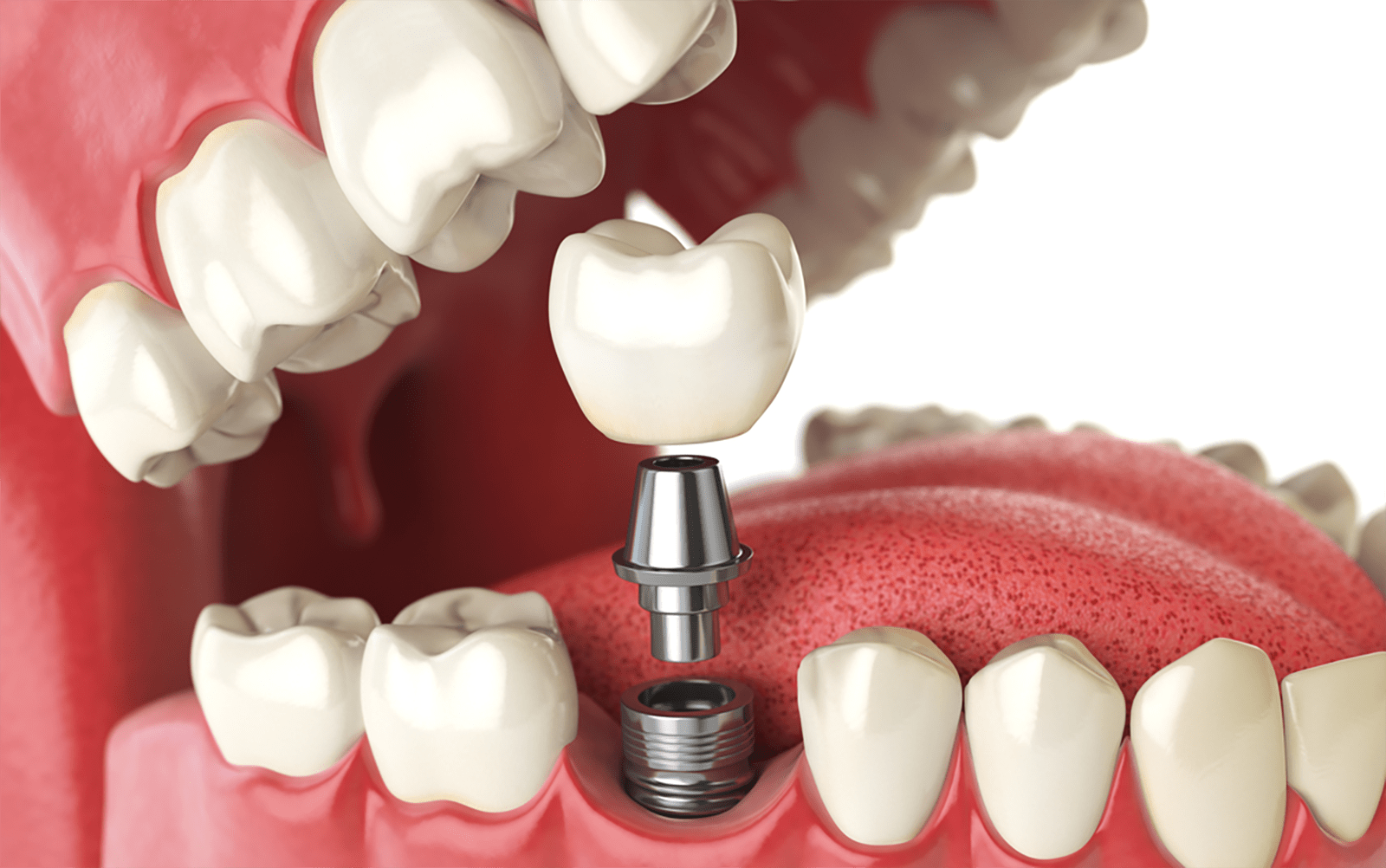
Diagnostic Methods for Detecting Implant Infections
Diagnosing implant infections, such as peri-implantitis, involves a combination of clinical assessment and diagnostic tools. The initial step in diagnosing an implant infection is a thorough clinical examination by a dental professional. This examination includes a visual assessment of the implant site for signs of redness, swelling, or pus. The dentist also checks for bleeding on probing, which is a common sign of infection. Sensitivity to touch and the presence of pain are also evaluated, as these are indicators of inflammation and possible infection.
Radiographic imaging plays a crucial role in diagnosing implant infections. X-rays or other advanced imaging techniques, such as a cone-beam computed tomography (CBCT), are used to assess the bone level around the implant. These images help in detecting bone loss, which is a key sign of peri-implantitis. The extent of bone loss viewed on radiographs can also help in determining the severity of the infection and in planning appropriate treatment strategies. Sometimes, a comparison of current radiographs with previous ones provides valuable information about the progression of bone loss over time.
In certain cases, additional diagnostic tests may be employed. Microbial testing, for instance, can identify the specific bacteria present in the infected area, which can guide the selection of appropriate antibiotics. Periodontal probing, where a small measuring instrument is used to check the depth of the pocket around the implant, is another diagnostic method. This helps in assessing the health of the tissues surrounding the implant. The combined use of these diagnostic tools allows for a comprehensive evaluation of the implant and the surrounding tissues, leading to an accurate diagnosis and effective treatment planning for implant infections. Regular follow-ups and monitoring are essential to ensure the health and longevity of the implant.
Antibiotic therapy plays a pivotal role in the treatment of implant infections, such as peri-implantitis. Choosing the right antibiotic is crucial for effectively combating the infection while minimizing potential side effects and resistance. The selection of an antibiotic typically depends on the specific bacteria causing the infection. This is often determined through bacterial culture tests, which involve taking a sample from the infected area and identifying the bacteria in a laboratory setting. Common antibiotics used for dental implant infections include amoxicillin, clindamycin, and metronidazole, often selected based on the patient’s medical history, allergies, and the type of bacteria identified.
The duration and dosage of antibiotic therapy are also important considerations. The course of antibiotics must be long enough to effectively eliminate the infection but should not be overly prolonged to avoid antibiotic resistance. Dentists often prescribe a course of antibiotics lasting about 7-14 days, depending on the severity of the infection and the patient’s response to the initial treatment. It’s crucial for patients to adhere to the prescribed antibiotic regimen, even if symptoms improve before completing the course. Stopping antibiotics prematurely can lead to the recurrence of the infection and increase the risk of developing antibiotic-resistant bacteria.
Dentists might opt for a combination of systemic (oral or injectable) and local (directly applied to the infected area) antibiotic therapies. Local antibiotic therapy can be particularly effective in targeting the specific area of infection, reducing the risk of systemic side effects. It’s important for patients to inform their dentist about any other medications they are taking, as well as any known allergies, to avoid adverse drug interactions. Monitoring the patient’s response to antibiotic therapy is essential, and adjustments to the treatment plan may be necessary based on the clinical response and any side effects experienced. Regular follow-up appointments are vital to ensure that the infection is completely resolved and to prevent potential complications.
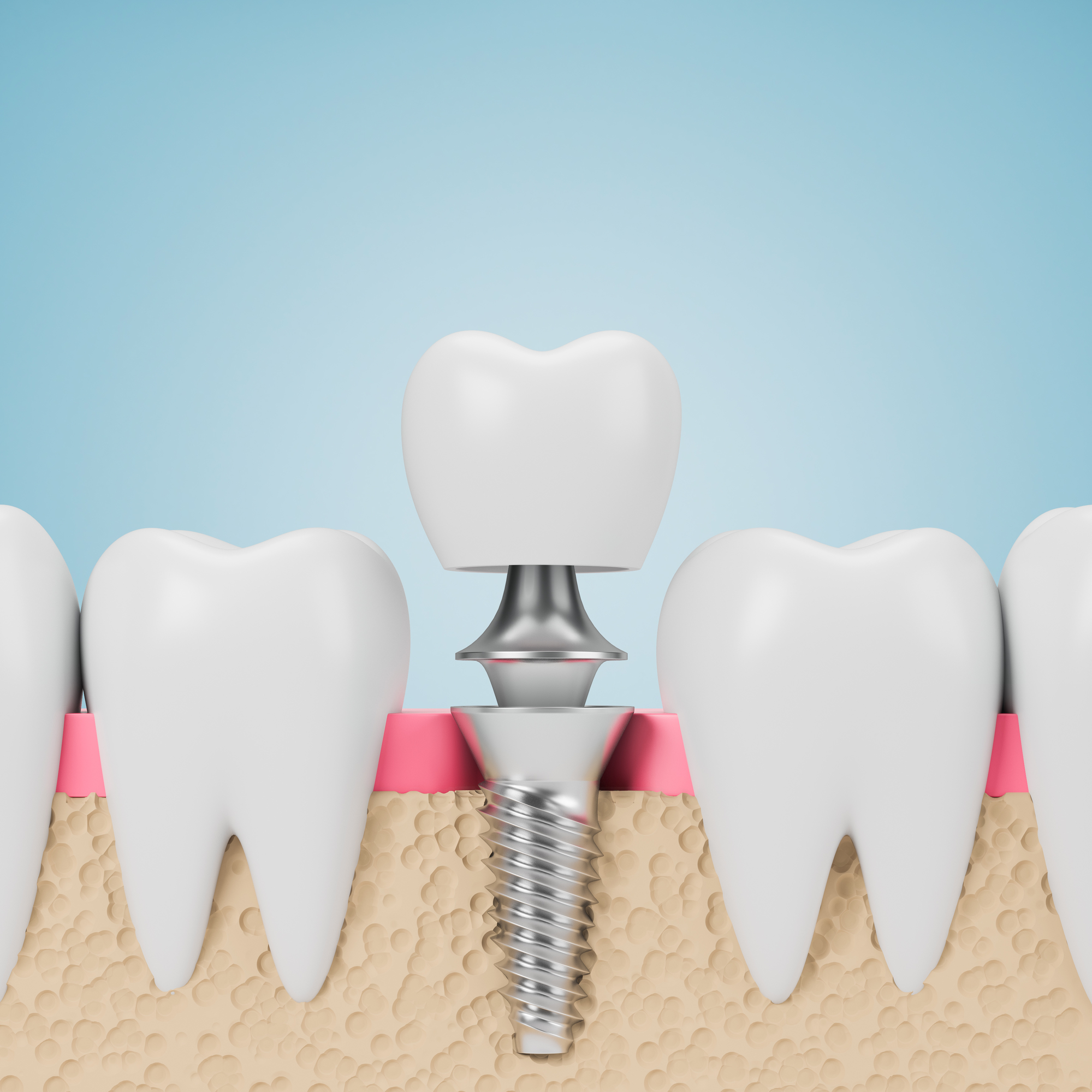
Surgical Treatments for Severe Dental Implant Infections
In cases of severe dental implant infections, where nonsurgical treatments are insufficient, surgical interventions become necessary. One common surgical approach is the debridement and cleaning of the infected area. This involves the surgical opening of the gum tissue around the implant to access and thoroughly clean the infected site. During this procedure, infected tissue is removed, and the implant surface is cleaned to eliminate bacteria and debris. This method is often effective in controlling the infection and preserving the implant, especially when combined with appropriate antibiotic therapy.
For more advanced cases of peri-implantitis with significant bone loss, regenerative procedures may be required. These surgeries aim to regenerate lost bone and soft tissue to provide better support for the implant. Techniques such as bone grafting and the use of membranes for guided tissue regeneration are employed. Bone grafts, which can be either synthetic, from a donor, or from another area of the patient’s body, are used to fill the areas where bone has been lost. Membranes are then placed over these grafts to facilitate the growth of new bone and to prevent the ingrowth of soft tissue into the bone graft area.
Where the implant is failing and cannot be salvaged, removal of the implant may be necessary. After removing the implant, the area is cleaned and treated for infection. The dentist may then decide to place a new implant after the site has healed and the infection is resolved. This typically involves a waiting period to allow for adequate healing and bone regeneration before a new implant can be placed. These surgical treatments require careful planning and skilled execution. Post-surgical care and regular follow-ups are crucial to monitor healing and to ensure the long-term success of the treatment. Patients are advised to maintain excellent oral hygiene and to adhere to all post-operative instructions to optimize healing and prevent future infections.
Managing symptoms of implant infection at home is an important aspect of the overall treatment plan, complementing professional dental care. While home care cannot replace the need for medical treatment, it can significantly aid in managing symptoms and preventing the worsening of the infection. Good oral hygiene is paramount; patients should continue to brush and floss regularly, taking care to be gentle around the infected implant site. Using a soft-bristled toothbrush can help prevent further irritation. Additionally, incorporating an antimicrobial mouthwash or a saline solution rinse can help reduce the bacterial load in the mouth, thus supporting the healing process.
It’s also crucial for patients to monitor their diet and lifestyle choices during this period. Consuming a balanced diet rich in vitamins and minerals, particularly those that support healing and immune function, can be beneficial. Foods that are too hard or chewy should be avoided as they can put additional stress on the implant site. Smoking and alcohol consumption should be strictly avoided as they can impede the healing process. Smoking, in particular, is known to significantly increase the risk of implant failure and can exacerbate infections.
Patients may find relief using cold compresses applied externally to the cheek area over the implant site. This can help reduce swelling and provide temporary pain relief. Over-the-counter pain relievers can be used as directed for managing discomfort, but it’s important to consult with the dentist before taking any medication to ensure it’s safe and doesn’t interfere with any prescribed treatments. Patients should also keep a close eye on their symptoms and report any significant changes or worsening of the condition to their dentist. Regular follow-up appointments are crucial for monitoring the progress of the infection and adjusting treatment plans as needed. While home care is a supportive aspect of treatment, professional dental intervention is essential for effectively treating implant infections.
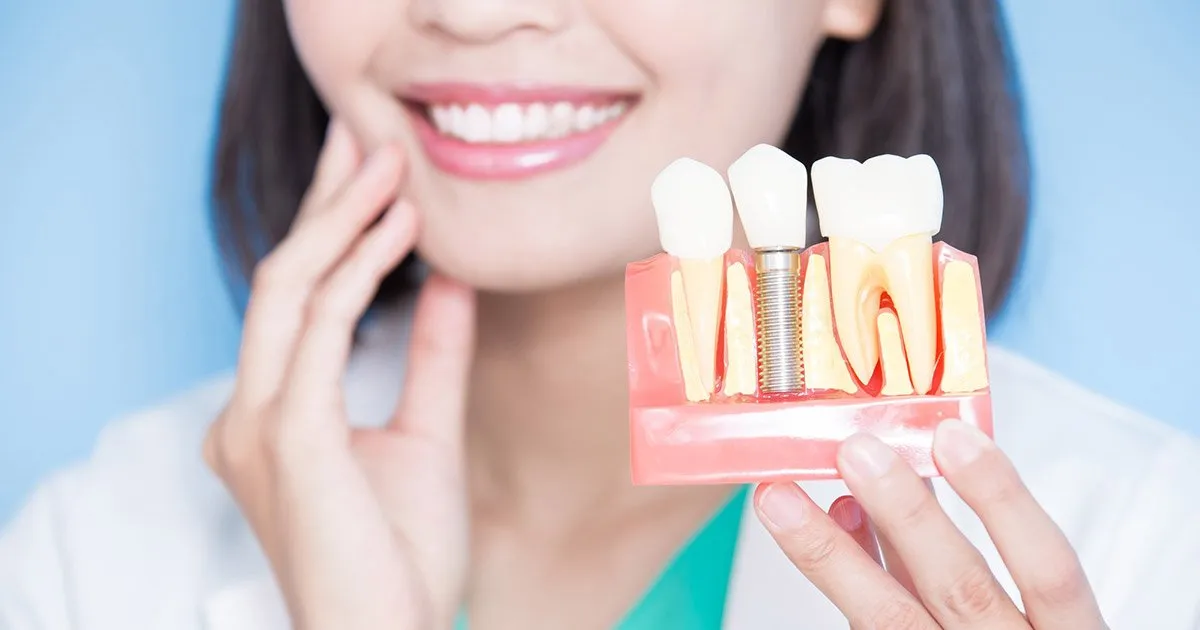
The Role of Oral Hygiene in Preventing Implant Infections
Oral hygiene plays a vital role in preventing dental implant infections, a fact that underscores the importance of maintaining a rigorous dental care routine. Dental implants, just like natural teeth, are susceptible to the accumulation of plaque and bacteria. These bacterial build-ups can lead to peri-implantitis, an infection that affects the tissues surrounding the implant. Regular and effective brushing is key in removing plaque and reducing the risk of infection. Using a soft-bristled toothbrush and non-abrasive toothpaste helps in cleaning the implant and surrounding areas gently yet thoroughly, avoiding any damage to the implant surface or irritation to the surrounding gums.
Flossing is equally important in maintaining implant health. Special types of floss, such as unwaxed floss or floss designed specifically for use with dental implants, can be more effective in cleaning around implants, under bridges, and in the spaces between teeth. Alongside brushing and flossing, using an antimicrobial mouthwash can further reduce the bacterial load in the oral cavity. This is particularly beneficial in areas that are hard to reach with brushing and flossing alone. It’s also recommended to use interdental brushes or water flossers as they can be more effective in cleaning around the abutments and hard-to-reach areas.
Regular dental check-ups and cleanings are crucial in preventing implant infections. These check-ups allow dental professionals to monitor the health of the implant and to perform professional cleanings that can remove plaque and tartar more effectively than home care alone. During these visits, dentists can also identify and address any early signs of infection or implant complications. In addition to these practices, lifestyle choices such as avoiding smoking and maintaining a balanced diet can also contribute to the long-term success of dental implants. Smoking, in particular, impairs healing and increases the risk of implant failure, while a healthy diet supports the immune system and promotes oral health. In summary, a comprehensive approach to oral hygiene, encompassing regular home care, professional dental check-ups, and healthy lifestyle choices, is essential in preventing dental implant infections.
Infected dental implants pose several risks and complications, which underscore the importance of prompt and effective treatment. One of the primary complications is the development of peri-implantitis, an inflammatory condition affecting the tissues around the implant. This condition can lead to the gradual deterioration of the supporting bone structure, a process that might not be immediately painful or visible. Over time, this bone loss can compromise the stability of the implant, potentially leading to implant failure. In severe cases, the infection can spread beyond the implant site, affecting adjacent teeth and oral tissues, and in rare instances, it can lead to systemic infections.
Another significant complication associated with infected dental implants is the possibility of additional surgical interventions. In cases where the infection has led to substantial bone loss or when the implant itself is compromised, surgical procedures such as bone grafting or even implant removal might be necessary. These surgeries not only increase the complexity and cost of treatment but also extend the overall treatment time and recovery period. Additionally, patients who have experienced implant infections may face limitations in their treatment options, particularly if the bone loss is extensive.
The psychological and emotional impact of implant failure should not be underestimated. Dental implants are often sought for both functional and aesthetic reasons, and their failure can lead to a decrease in the quality of life, affecting activities such as eating and speaking, as well as the individual’s self-esteem. Therefore, the prevention and early treatment of implant infections are crucial. This includes maintaining diligent oral hygiene, attending regular dental check-ups, and seeking immediate dental care if signs of infection are observed. By addressing implant infections early, the risks and complications can be significantly minimized, ensuring the longevity and success of the dental implant.
Recovery Process: What to Expect After Treating Implant Infections
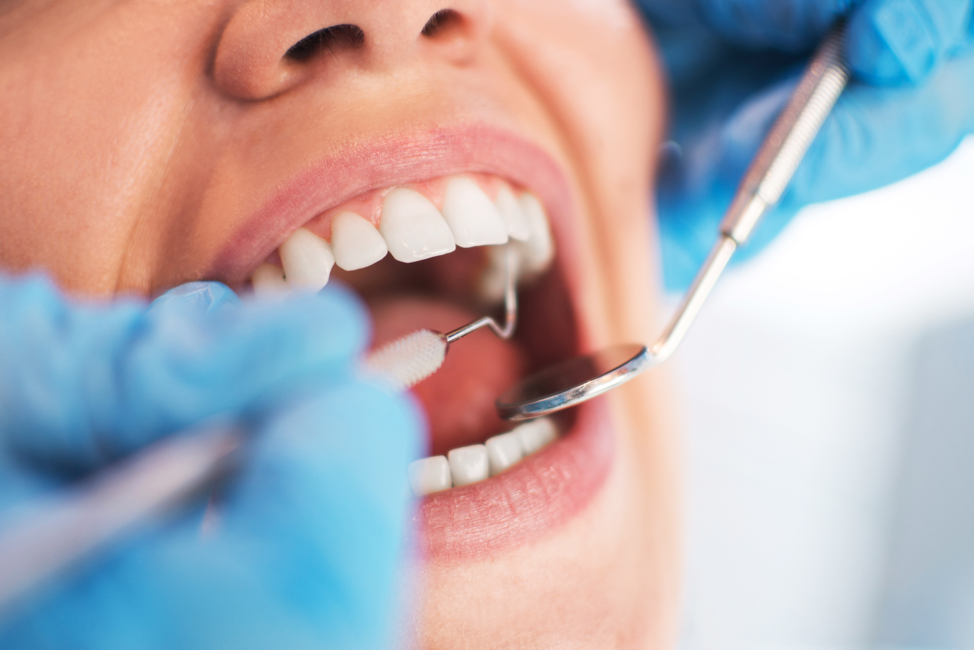
The recovery process after treating dental implant infections varies depending on the severity of the infection and the treatment method employed. After nonsurgical treatments like antibiotic therapy or minor procedures such as local debridement, patients generally experience a quick and straightforward recovery. They may experience some discomfort or mild swelling in the area for a few days, which usually responds well to over-the-counter pain relievers. It’s important for patients to adhere to the full course of antibiotics if prescribed, even if symptoms seem to improve before the medication is finished. During this period, maintaining good oral hygiene is crucial, but patients should be gentle around the treated area to avoid irritation.
In cases where surgical intervention is required, the recovery process can be more involved. Following procedures such as surgical debridement, bone grafting, or implant removal and replacement, patients may experience more significant discomfort and swelling. Prescription pain medication and antibiotics may be necessary. Patients are often advised to adhere to a soft diet for a few days to minimize pressure on the treated area. They may also be instructed to avoid certain activities that could disrupt the healing process, such as smoking or vigorous physical activity. Post-operative care instructions, including oral hygiene practices, should be followed meticulously to ensure optimal healing.
Regular follow-up appointments with the dental professional are vital during the recovery phase. These visits allow the dentist to monitor the healing process, assess the success of the treatment, and make any necessary adjustments to the care plan. The dentist may also provide additional guidance on oral hygiene practices to prevent future infections. Recovery times can vary, but most patients see improvement within a few weeks. It’s important for patients to communicate any concerns or unusual symptoms to their dentist promptly during the recovery period. By closely following the dentist’s recommendations and maintaining proper oral care, patients can expect a successful recovery and the long-term preservation of their dental implant.
Preventing future dental implant infections is essential for the longevity and health of the implant. Key to this is maintaining impeccable oral hygiene. Regular and thorough brushing, at least twice a day, is crucial. This helps to remove plaque and food particles that can harbor bacteria around the implant. Using a soft-bristled toothbrush and a non-abrasive toothpaste helps in cleaning effectively without damaging the implant surface. Flossing daily is equally important, and using floss specifically designed for dental implants can be beneficial. It’s also recommended to include an antimicrobial mouthwash in the oral hygiene routine, which can help reduce the bacterial load in the mouth, especially in hard-to-reach areas.
Regular dental check-ups are vital. During these visits, a dental professional can perform professional cleanings and check the implant and surrounding tissues for any signs of problems. These appointments are crucial for catching any issues early, before they develop into serious infections. Additionally, dentists can provide specific advice on caring for dental implants and may recommend products or techniques tailored to individual needs.
Lifestyle choices also play a significant role in preventing implant infections. Smoking, for instance, is a major risk factor for implant failure and should be avoided. A balanced diet that supports overall health and good oral hygiene practices can also contribute positively. Avoiding excessive consumption of sugary and acidic foods helps prevent plaque buildup and maintains a healthier oral environment. By adhering to these best practices, the risk of future dental implant infections can be significantly reduced, ensuring the long-term success and health of the implant.
