
Cosmetic surgery in Turkey offers international patients a combination of advanced medical care, experienced specialists, and a well-structured treatment journey. Understanding how the process works before traveling is essential to ensure safety, realistic expectations, and a smooth recovery experience.
Turkey has become one of the world’s leading destinations for aesthetic procedures, but informed decisions make the difference between an average experience and a successful outcome. This guide explains what foreign patients should know before choosing cosmetic treatment in Turkey.
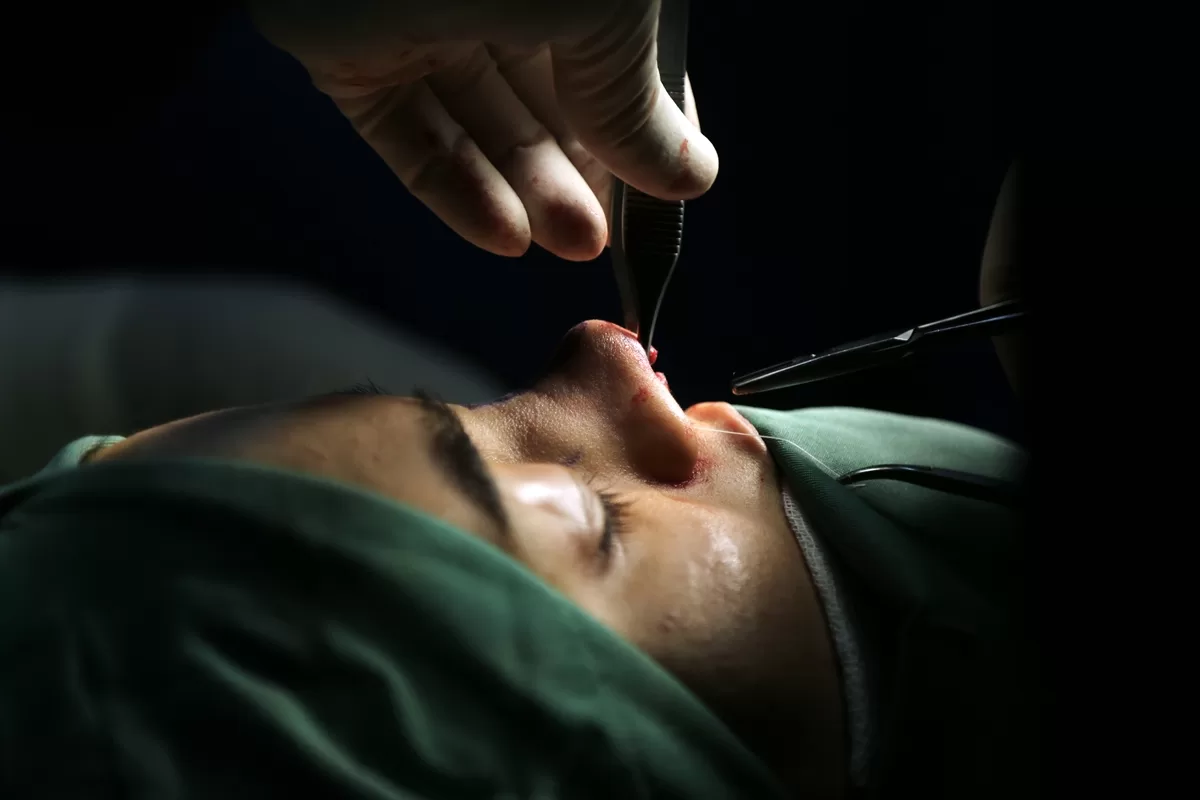
Turkey attracts international patients because it combines medical expertise with globally competitive healthcare infrastructure. Board-certified surgeons, modern hospitals, and internationally accredited clinics play a major role in this reputation.
Another key factor is the country’s long-standing experience with medical tourism. Clinics are accustomed to working with overseas patients, offering multilingual coordination, travel assistance, and structured treatment plans. This reduces uncertainty for first-time visitors.
Accessibility also matters. Direct flights from Europe, the Middle East, and many other regions make travel easy, while major cities like Istanbul, Ankara, and Izmir host highly specialized aesthetic centers. Patients often value the ability to combine treatment with comfortable accommodation and recovery environments.
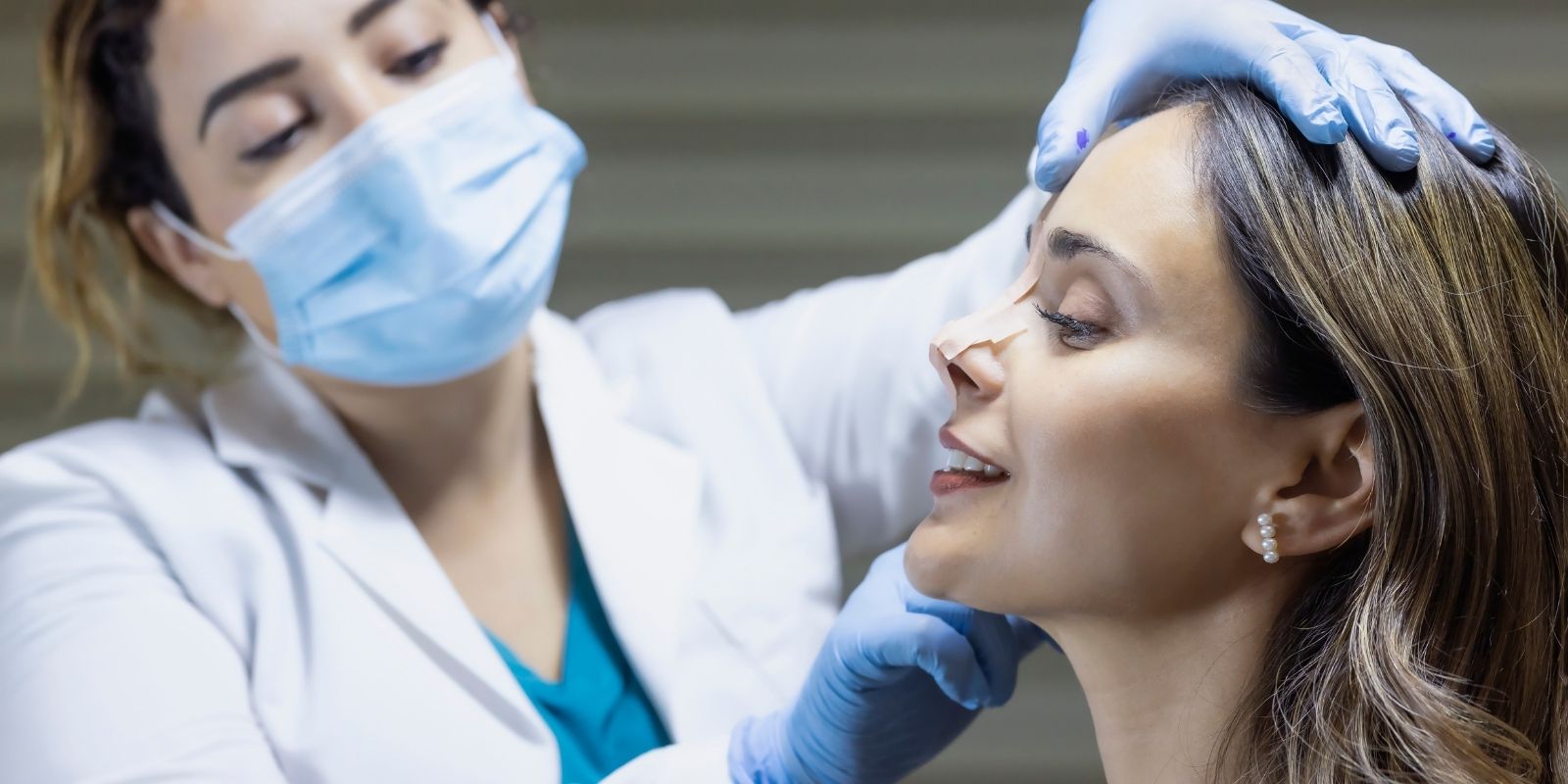
Selecting the right clinic and surgeon is the most critical step for international patients. Credentials, experience, and transparency should always outweigh promotional claims.
A qualified cosmetic surgeon in Turkey should be certified by recognized medical boards and have proven experience in the specific procedure you are considering. Specialization matters, as aesthetic surgery outcomes depend heavily on repetition and technical focus.
Patients should review before-and-after cases, request detailed consultations, and verify hospital affiliations. A reputable surgeon clearly explains risks, limitations, and recovery expectations without overpromising results.
Accredited medical facilities follow international hygiene, safety, and patient-care standards. This is especially important for foreign patients who rely on structured protocols rather than informal arrangements.
Hospitals and clinics with international certifications often operate with multidisciplinary teams, advanced equipment, and emergency preparedness. These factors significantly increase treatment reliability and patient confidence.

Cosmetic surgery in Turkey is regulated by the Ministry of Health, ensuring that licensed professionals operate within defined medical frameworks. International patients are legally protected when treatment is performed in authorized institutions.
Medical documentation, informed consent forms, and pre-operative evaluations are mandatory parts of the process. This protects both the patient and the healthcare provider by clearly defining responsibilities and expectations.
Another important aspect is malpractice accountability. Licensed clinics are required to maintain professional liability coverage, which adds an extra layer of security for international visitors seeking elective procedures.
Preparation before arrival directly affects surgical success and recovery quality. Medical readiness, travel planning, and clear communication should be completed in advance.
Patients are usually asked to share medical history, recent blood tests, and imaging results before confirming surgery dates. This allows surgeons to assess eligibility and identify potential risks early.

Chronic conditions, previous surgeries, and current medications must be disclosed accurately. Proper screening reduces complications and avoids last-minute cancellations.
International patients should plan sufficient time for consultation, surgery, and initial recovery. Rushing the process increases physical stress and reduces post-operative monitoring quality.
It is also important to arrange post-surgery accommodation close to the clinic. Easy access to follow-up visits ensures timely medical support if needed.
Knowing what happens before, during, and after surgery helps patients set realistic expectations. Cosmetic procedures are not one-day experiences but structured medical journeys.
On the day of the procedure, patients undergo final evaluations, anesthesia planning, and pre-operative checks. Clear communication with the medical team ensures comfort and psychological readiness.

The surgery itself is performed in sterile operating rooms under controlled conditions. Duration and complexity vary depending on the procedure, but patient safety remains the priority.
Recovery begins immediately after surgery and continues for weeks or months, depending on the treatment. Swelling, bruising, and temporary discomfort are normal and should be anticipated.
Follow-up appointments, medication plans, and activity restrictions are part of standard aftercare. Clinics experienced with international patients provide detailed recovery guidelines tailored to travel schedules.
While pricing is not discussed here, understanding what treatment packages include is essential. Comprehensive planning goes beyond the surgical procedure itself.
Many clinics offer all-inclusive care models designed specifically for international patients. These often include airport transfers, accommodation coordination, medical consultations, and post-operative follow-ups.
Such packages reduce logistical stress and allow patients to focus entirely on recovery. Clear explanations of included services prevent misunderstandings and build trust.
Patients should always request written treatment plans outlining medical services, timelines, and responsibilities. Transparent communication reflects professional ethics and long-term patient care commitment.
Clinics that clearly define what is included demonstrate organizational maturity and patient-centered thinking. This is especially valuable for overseas patients navigating treatment in a foreign country.
