
When considering the process of lip filler injections, it’s important to understand that the swelling experienced post-procedure is a normal part of the healing journey. This swelling does not occur uniformly but rather in phases, each marked by different characteristics and timelines. Initially, after the injection, there is an immediate swelling due to the physical trauma of the needle entering the skin and the volume added by the filler itself. This reaction is the body’s natural response to the introduction of a foreign substance and the minor injury from the injection. The area may feel tender, and the swelling can give the lips an exaggerated appearance, which might be concerning to some, but it’s a temporary state.
As time progresses, usually within the first few days, the swelling begins to subside as the body starts to adapt to the filler. This stage varies from person to person in duration and intensity, influenced by factors such as the type of filler used, the individual’s response to the treatment, and the technique of the injector. During this period, the lips gradually start to reveal their new shape, becoming less swollen and more reflective of the final outcome. It’s crucial during this time to follow any aftercare instructions provided by the practitioner, such as avoiding certain activities or applying ice to reduce swelling. Complete settling of the fillers and the subsidence of swelling can take a few weeks, during which the lips will reach their desired volume and shape, appearing natural and in harmony with the facial features. This final stage marks the completion of the body’s healing process, showcasing the full effects of the lip fillers. Patience and proper care throughout these stages are key to achieving the best possible results.
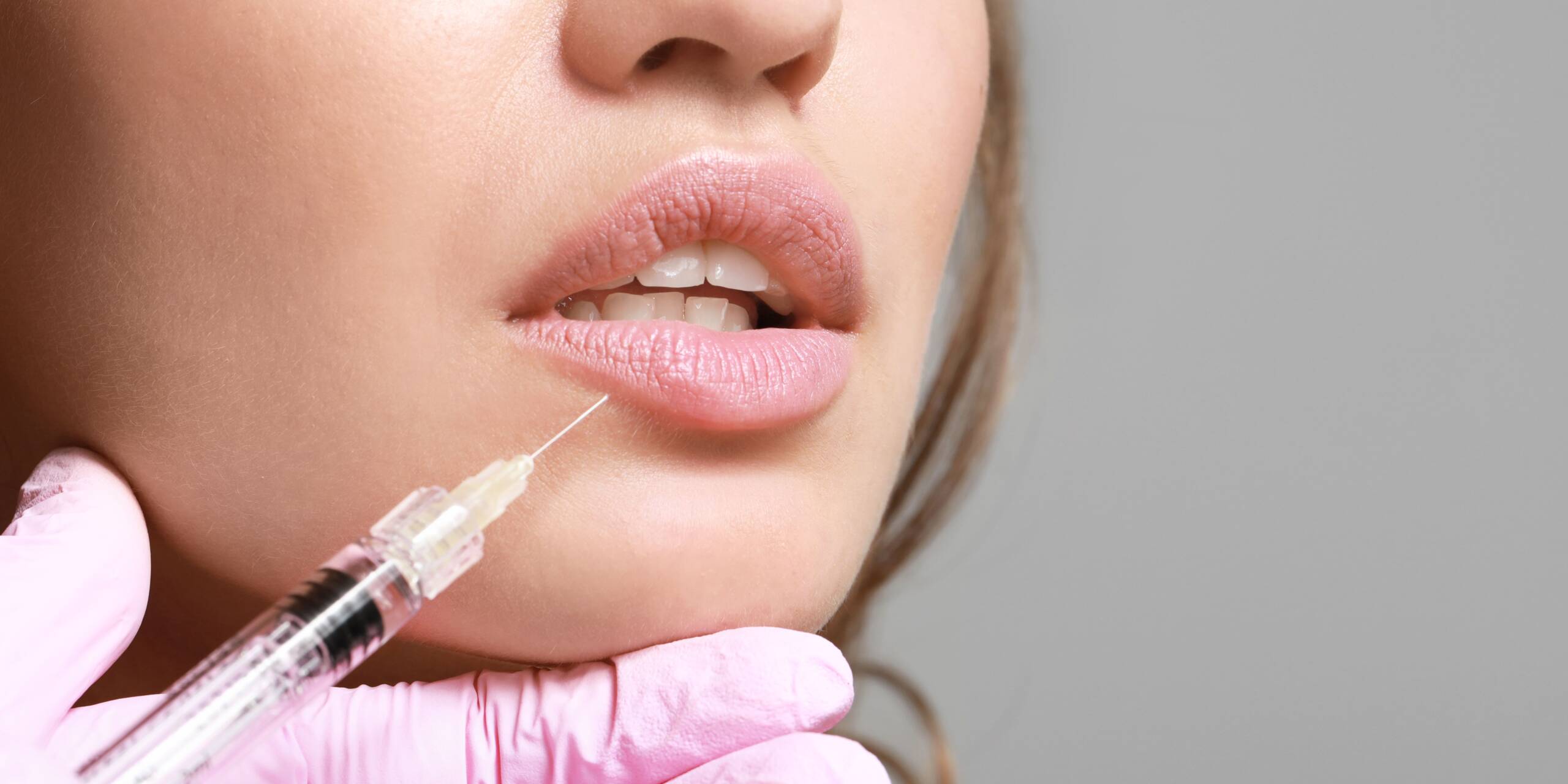
Introduction to Lip Filler Swelling: What to Expect
Embarking on the journey of enhancing one’s appearance through lip fillers brings with it a natural process of healing and adaptation that includes swelling. This phenomenon is an expected part of the post-treatment phase, serving as an initial response to the injection. The introduction of lip fillers into the delicate tissue of the lips triggers the body’s defense mechanisms, resulting in swelling that is both a protective and healing response. It’s essential for individuals to have a clear understanding that this swelling is not only normal but a temporary phase that evolves over time.
Immediately following the procedure, patients typically observe an increase in volume, not solely from the filler but also from the swelling caused by the injection technique and the body’s reaction to the new substance. This initial swelling can be surprising to some, presenting a more exaggerated fullness than the expected final result. However, as the days progress, this swelling gradually diminishes, allowing the true shape and volume achieved by the filler to emerge. The rate at which this happens can vary widely among individuals, influenced by factors such as the type of filler used, personal healing rates, and adherence to post-procedure care recommendations. Understanding and anticipating these stages can significantly ease the concern for patients, providing reassurance that the final outcomes are on the horizon, marked by beautifully enhanced lips that harmonize with their overall facial aesthetics. Patience and proper care during this period are crucial to ensuring a smooth transition through the swelling stages towards achieving the desired aesthetic goal.
In the immediate aftermath of receiving lip filler treatments, individuals often experience a variety of sensations and visual changes, hallmarking the body’s initial reaction to the procedure. This phase, occurring within the first few hours post-treatment, is characterized by a noticeable swelling, a direct response to the injection process and the introduction of the filler material into the delicate lip tissues. Such swelling is not merely a side effect but rather a natural part of the healing process, indicating that the body is adjusting to the newly introduced substance. Alongside swelling, recipients may also notice bruising and a feeling of tightness or tenderness in the treated area, which are common and expected outcomes of the treatment.
This initial reaction phase is crucial for the settling of the filler, as the body begins to integrate the substance into the lip tissue. The extent of swelling and bruising can vary significantly among individuals, influenced by factors such as the type of filler used, the volume injected, and the individual’s sensitivity and healing response. Despite the initial discomfort and appearance, these symptoms are typically short-lived, beginning to subside within the first few days following the procedure. It’s important for patients to follow post-treatment care instructions provided by their practitioner, such as applying ice to the area to reduce swelling and avoiding certain activities that may exacerbate swelling or bruising. Understanding and patience are key during this phase, as the body’s natural healing processes work to minimize swelling and reveal the initial effects of the lip enhancement.
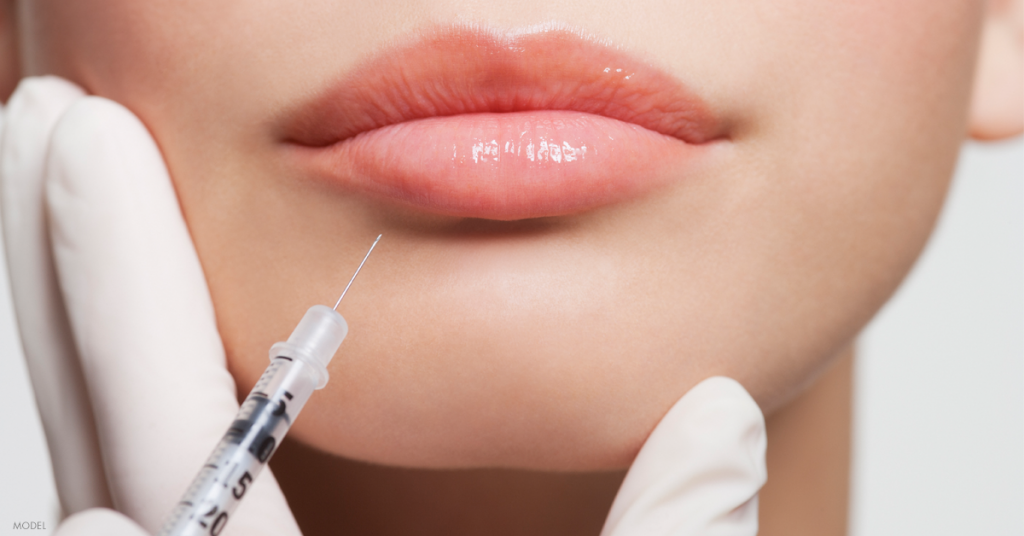
Day One: Observing the Immediate Swelling
On the first day following lip filler treatment, patients are often met with the peak of immediate swelling, a natural and expected response as the body begins to adapt to the presence of the new substance within the delicate lip tissues. This swelling is a combination of the physical trauma inflicted by the needle during the injection process and the body’s reaction to the filler material itself. It is during this initial 24-hour period that the lips may appear significantly fuller than anticipated, a visual effect amplified by the swelling rather than the filler volume alone. The appearance of the lips at this stage should not be considered indicative of the final result, as the excessive fullness is largely due to the body’s healing mechanisms kicking into gear.
Understanding that this phase is temporary and a normal part of the healing process is crucial for patients. The degree of swelling can vary widely from person to person, influenced by individual healing responses, the specific type of filler used, and the amount of product injected. Despite the potential for discomfort and the pronounced appearance, it’s important for individuals to follow their practitioner’s aftercare advice closely, such as applying cold compresses to help reduce swelling and avoiding strenuous activities that could exacerbate the situation. As the body gradually acclimates to the filler, the swelling will begin to subside, revealing a more accurate reflection of the intended enhancement. Patience during this time allows for the natural process of healing and adjustment, leading towards the desired aesthetic outcome.
During the subsequent days following lip filler treatment, specifically on days two and three, patients often encounter what is considered the peak swelling period. This timeframe is crucial as the body’s response to the fillers is at its most pronounced, with swelling reaching its zenith. This heightened swelling is the result of the body’s continued effort to heal the micro-injuries caused by the needle and to integrate the filler material into the lip tissue. It’s a period marked by significant fullness, and possibly, some discomfort, as the tissues expand and the body mobilizes its healing resources. The lips may appear overly voluminous and not reflective of the final outcome, a state that can be disconcerting for some but is entirely normal and expected.
This peak swelling phase is a critical part of the body’s natural healing process, and while the appearance of the lips during this time may seem alarming to some, it is a temporary state that will begin to subside as the body adapts to the filler. It is during these days that following post-care instructions becomes particularly important. Practitioners often advise the use of cold compresses to help reduce swelling and recommend avoiding certain activities that may exacerbate the swelling or lead to increased bruising. Patients are encouraged to remain patient and avoid any premature judgments about the outcome of their treatment. As this peak swelling period passes, the swelling will gradually decrease, allowing the true shape and volume of the lips to start emerging, moving closer to the anticipated result.

Mid-Week Check: Swelling Reduction Begins
By the midpoint of the week following lip filler treatment, a noticeable shift occurs in the healing process as the initial peak swelling begins to recede. This period marks a significant turning point for many patients, as the exaggerated fullness starts to diminish, revealing the contours of the newly enhanced lips. The reduction in swelling is a positive indicator that the body is adjusting well to the filler, and the healing mechanisms are effectively managing the inflammation caused by the procedure. It’s a time when the initial discomfort and tightness experienced in the lips start to alleviate, making everyday activities and expressions more comfortable.
As the swelling subsides, patients can start to see glimpses of the final results of their lip filler treatment. However, it’s important to note that while the reduction in swelling is an encouraging sign, the healing process is still ongoing. The lips may continue to change slightly in the days that follow, as the filler settles further and the body completes its healing cycle. During this mid-week check, adherence to aftercare instructions remains crucial to ensure optimal healing and results. This includes avoiding certain activities that could provoke swelling, continuing to apply cold compresses as recommended, and staying hydrated. Patience during this time is key, as the body works to reveal the subtle, natural-looking enhancement sought from the lip filler treatment.
As the end of the first week post-lip filler treatment approaches, patients can begin to observe significant changes in the appearance and feel of their lips. This stage is marked by a substantial decrease in swelling, allowing the true effects of the filler to become more evident. The exaggerated volume and tightness that characterized the initial days post-treatment have given way to a more natural fullness, with the lips settling into their enhanced shape. This period often brings a sense of relief and excitement, as the anticipated results start to materialize, and the discomfort associated with the swelling recedes.
The transformation observed at the end of the first week is a testament to the body’s ability to heal and adapt to the filler. While some minor swelling may persist, the majority of the inflammation has subsided, revealing the skilled work of the practitioner and the quality of the filler used. It’s also a time when patients can more accurately assess the outcome of their treatment, noting the balance and symmetry of their lips in relation to their facial features. Continuing to follow any remaining aftercare instructions is still important during this phase to support the final stages of healing. The end of the first week is a pivotal moment, offering a glimpse into the lasting enhancement achieved through the filler treatment, setting the stage for the weeks to come as the lips fully integrate the filler and settle into their final appearance.

The Second Week: Swelling Continues to Subside
Entering the second week after lip filler treatment, patients continue to witness the progressive reduction of swelling, a sign that the body is moving forward in its healing process. This period is characterized by the further subsidence of any residual swelling, allowing for a clearer view of the final results of the enhancement. The lips, now less inflamed and more settled, begin to show the intended volume and contour that was sought after with the filler. This stage of the healing process brings with it a sense of normalcy, as the appearance of the lips starts to stabilize and the sensations of tightness and discomfort become distant memories.
During the second week, the fullness of the lips is more refined, showcasing the skillful application of the filler by the practitioner. It is a time when the nuances of the enhancement can be appreciated, including the symmetry, softness, and how naturally the fillers blend with the patient’s facial features. Any minor adjustments or settling that occurs during this week are typically subtle, as the majority of the healing has taken place. Patients may find themselves adjusting to the new feel and look of their enhanced lips, enjoying the benefits of the procedure. The continued diminishment of swelling and the emergence of the final results are encouraging indicators of the success of the lip filler treatment, marking the transition towards the completion of the healing journey.
As the journey of healing progresses beyond the initial weeks following lip filler treatment, the long-term healing phase signifies a crucial period where the final shape of the lips emerges. This stage is marked by the complete subsidence of swelling and the full integration of the filler material with the lip tissue, allowing for the true and lasting results of the enhancement to be fully realized. The lips have now adapted to their new volume, with any residual inflammation resolved, presenting a more natural and harmonious appearance in relation to the overall facial structure. The softness and flexibility of the lips return, mirroring the natural feel, while the enhanced contours and volume achieved through the filler become a seamless part of the patient’s features.
During this long-term healing phase, patients can truly appreciate the artistry and precision of the treatment they received. The fillers, now settled, offer a subtle yet impactful rejuvenation or augmentation, depending on the initial goals of the procedure. It is also a time for reflection on the importance of choosing a skilled practitioner and the right type of filler, as these factors significantly influence the longevity and quality of the results. Patients may also consider maintenance treatments based on the type of filler used and their personal aesthetic goals, as some fillers may require touch-ups to maintain the desired volume and shape. The long-term healing phase culminates the transformative journey of lip enhancement, showcasing the enduring beauty and confidence that can be achieved through carefully administered lip fillers.
