
Non-surgical aesthetic procedures have become a cornerstone in the beauty and wellness industry, offering individuals an array of options to enhance their appearance without the need for invasive surgery. These treatments are designed to provide significant improvements in skin texture, tone, and overall facial aesthetics with minimal downtime, making them a popular choice for those looking to rejuvenate their appearance or address specific cosmetic concerns. Among the vast spectrum of available treatments, under eye light filling stands out as a particularly sought-after procedure for its ability to instantly brighten the under-eye area, reducing the appearance of dark circles and hollows that can contribute to a tired look. This filler treatment, like many non-surgical options, leverages advanced formulations and techniques to restore volume and vitality with precision and subtlety.
The appeal of non-surgical aesthetic procedures lies not only in their immediate results and reduced recovery time but also in their versatility and adaptability to individual needs. Treatments range from injectables, like dermal fillers and botulinum toxin, to laser therapy, chemical peels, and microdermabrasion, each tailored to target specific concerns such as wrinkles, laxity, uneven skin tone, and texture irregularities. The ability to customize these treatments allows practitioners to create comprehensive care plans that address the unique aesthetic goals of each individual, ensuring results that are both natural-looking and harmonious with the person’s overall facial structure.
Furthermore, the ongoing advancements in technology and technique within the realm of non-surgical aesthetics continue to broaden the possibilities for patients. Cutting-edge devices and innovative products are regularly introduced, offering improved outcomes, greater safety profiles, and even more personalized treatment options. This dynamic field evolves with the growing desires and expectations of those seeking aesthetic enhancements, ensuring that non-surgical procedures remain at the forefront of cosmetic medicine. Through careful assessment and a detailed understanding of each person’s aesthetic vision, practitioners are able to deliver transformative results, empowering individuals to feel more confident and satisfied with their appearance.
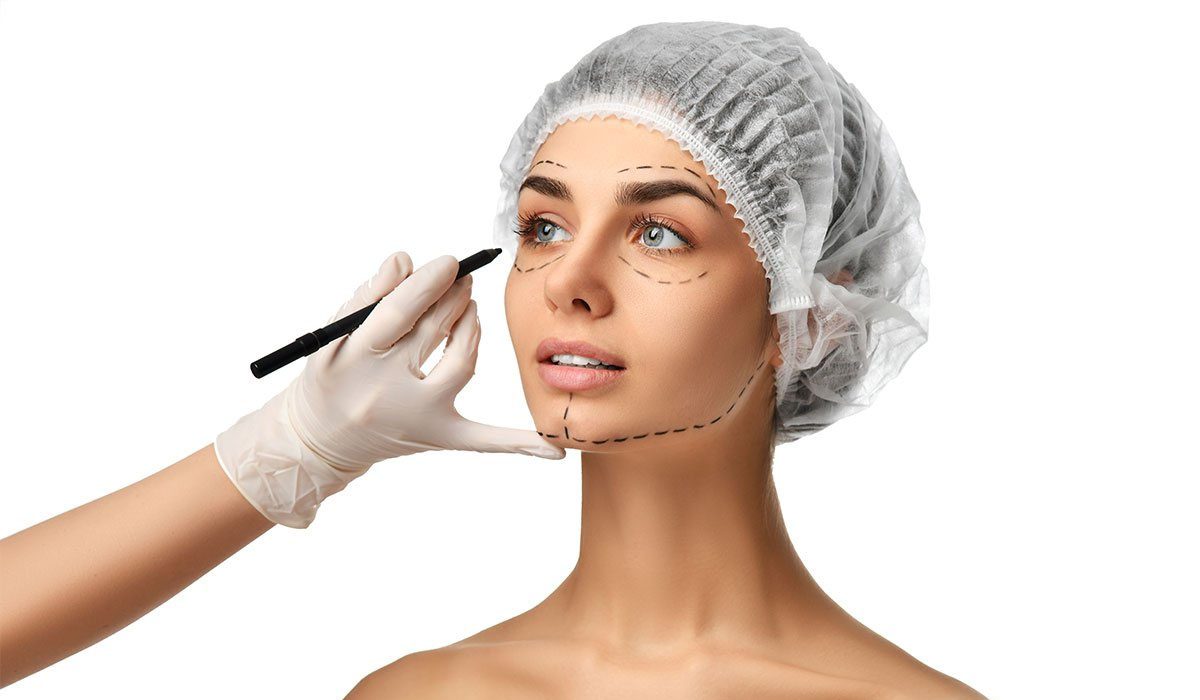
Understanding Botox: Benefits and Considerations
Understanding Botox, a neuromodulator primarily used for reducing the appearance of facial wrinkles, involves recognizing its benefits and considerations for potential users. Botox works by temporarily paralyzing muscle activity, which can effectively diminish fine lines and wrinkles that appear as a result of repetitive facial expressions. This treatment has gained immense popularity not only for its effectiveness in cosmetic enhancements but also for its non-invasive nature, offering noticeable results without the downtime associated with surgical procedures. Beyond its aesthetic applications, Botox has been found beneficial in treating a range of medical conditions, including chronic migraine, excessive sweating (hyperhidrosis), and muscle spasms, highlighting its versatility as a therapeutic agent.
While the benefits of Botox are significant, individuals considering this treatment should also be mindful of its considerations. The results of Botox are temporary, typically lasting three to six months, necessitating regular follow-up treatments to maintain the desired outcome. Furthermore, the success of Botox injections heavily depends on the skill and experience of the practitioner. Choosing a qualified and reputable professional is crucial to ensure not only the efficacy of the results but also the safety and minimization of potential side effects, such as bruising, swelling, or, in rare cases, more serious complications like unintended muscle paralysis.
Prospective Botox users should also engage in thorough consultations with their healthcare provider to discuss their aesthetic goals and any underlying health conditions that may affect the treatment’s suitability. This dialogue helps tailor the treatment plan to the individual’s specific needs, ensuring a natural and satisfying outcome. Educating oneself about the procedure, understanding the temporary nature of the results, and setting realistic expectations are essential steps in the decision-making process. With careful consideration and professional guidance, Botox can be a safe and effective means for achieving a more youthful and refreshed appearance, enhancing one’s confidence and overall quality of life.
Dermal fillers represent a revolutionary approach in the cosmetic industry, offering a non-surgical solution for those seeking to rejuvenate and maintain youthful skin. These injectable treatments are designed to restore volume, reduce the appearance of wrinkles, and enhance facial contours, providing immediate results without the lengthy recovery times associated with traditional surgical procedures. Dermal fillers are composed of various substances, the most common being hyaluronic acid, a naturally occurring substance in the skin that helps to retain moisture and create a plump, hydrated appearance. This versatility allows for tailored treatments to meet individual aesthetic goals, from smoothing out fine lines to volumizing areas that have lost their fullness due to aging.
One of the popular uses of dermal fillers is in lip enhancement, where lip filler is injected to add volume, define shape, and improve symmetry, resulting in fuller, more defined lips. This particular application highlights the precision with which dermal fillers can be used to address specific areas of concern, offering a customizable approach to beauty that aligns with the desires and expectations of the individual. The effects of dermal fillers in the lips, as well as other treated areas, can last anywhere from six months to over a year, depending on the type of filler used and the body’s natural metabolic rate.
When considering dermal fillers, it is crucial to seek treatment from a qualified and experienced practitioner. This ensures not only the safety and efficacy of the procedure but also that the outcomes are harmonious and natural-looking. A thorough consultation should precede any treatment, during which the practitioner can assess the client’s skin condition, discuss their aesthetic goals, and recommend the most appropriate type and volume of filler. Potential clients should also be informed about the possible side effects, such as temporary swelling or bruising at the injection site, and the importance of following aftercare instructions to maximize the treatment’s benefits. With the right approach, dermal fillers offer a powerful tool for enhancing natural beauty and restoring confidence in one’s appearance.
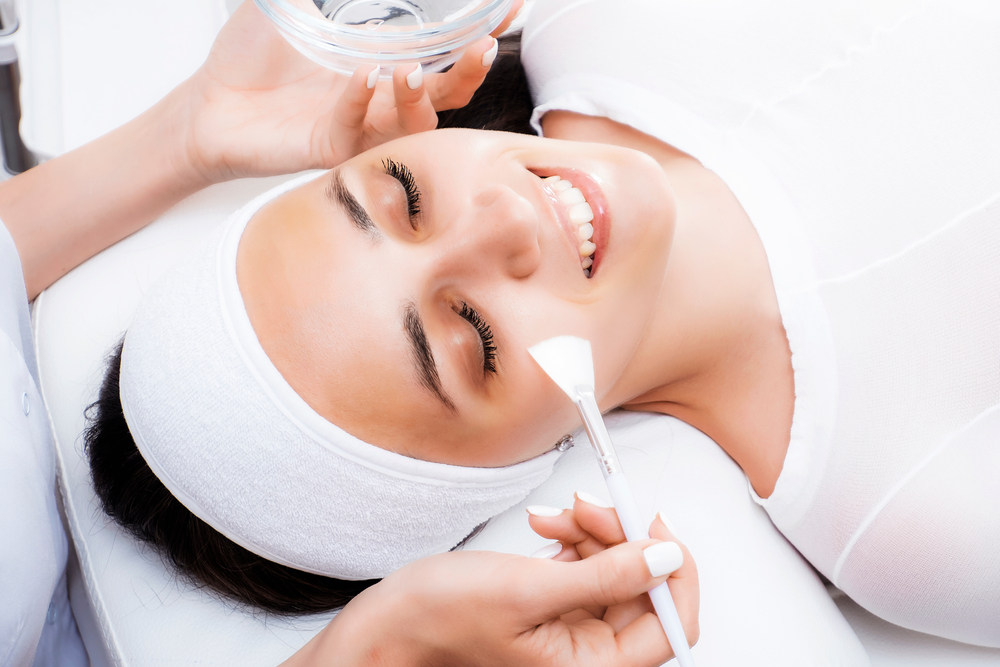
Chemical Peels: What You Need to Know
Chemical peels are a type of skin resurfacing treatment that involves the application of a chemical solution to the skin, which works to remove the top layers. The skin that grows back after a chemical peel is smoother and younger-looking. This procedure can address a variety of skin concerns, including wrinkles, discoloration, acne scars, and uneven skin texture. Chemical peels vary in intensity from light, which may cause mild peeling and shorter recovery times, to deep peels, which require a longer recovery period but offer more dramatic results. The choice of peel depends on the individual’s skin type, concerns, and desired outcome, making a consultation with a skincare professional essential before undergoing the treatment.
Understanding the process and what to expect can help manage expectations and prepare for the treatment and its aftermath. After a chemical peel, the skin is temporarily more sensitive to the sun, so sun protection is crucial to avoid sun damage and ensure the best possible results. The healing time varies according to the depth of the peel, with light peels requiring only a few days to heal, while deeper peels may take several weeks. Post-procedure care is critical to avoid complications and includes keeping the skin clean, applying prescribed ointments or creams, and avoiding certain activities that may irritate the healing skin.
Before deciding on a chemical peel, it’s important to discuss with a dermatologist or skincare specialist who can advise on the most appropriate type of peel for the skin’s condition and the goals of the treatment. They can also inform about the potential risks and benefits, helping to make an informed decision. With proper care and consideration, chemical peels can be a highly effective way to improve the skin’s appearance, texture, and overall health, offering a revitalized and more youthful complexion.
Laser hair removal has emerged as a popular method for long-term hair reduction, offering a solution for those seeking to minimize the time and effort spent on traditional hair removal techniques. This cosmetic procedure uses concentrated light to target hair follicles, inhibiting future hair growth without damaging the surrounding skin. Ideal for various body parts, including the legs, arms, underarms, bikini line, and face, laser hair removal can significantly reduce hair density and is effective on most skin types and colors. The process requires multiple sessions to achieve optimal results, as it is most effective on hair in the growth phase, and hairs on the body are not always in the same phase at the same time.
Despite its benefits, there are considerations to keep in mind before undergoing laser hair removal. One of the primary advantages is the potential for significant hair reduction that is long-lasting, reducing the need for regular shaving or waxing. Additionally, when performed correctly, the procedure is relatively quick and may result in less skin irritation than other hair removal methods. However, the treatment is not entirely without discomfort; some individuals may experience pain similar to the snap of a rubber band against the skin, along with redness and swelling at the treatment site. It’s also important to note that results can vary based on hair color and skin type, with the best outcomes typically seen in individuals with light skin and dark hair.
Before deciding on laser hair removal, it’s crucial to consult with a qualified professional who can evaluate your suitability for the procedure, discuss potential risks, and outline what to expect during and after treatment. Proper preparation, such as avoiding sun exposure and other forms of hair removal for a specified period before treatment, is key to minimizing side effects and enhancing efficacy. Aftercare instructions, including using sunscreen and avoiding certain activities that may irritate the treated area, are important for a smooth recovery. Understanding the pros and cons and setting realistic expectations will help ensure a satisfactory experience with laser hair removal, making it a valuable option for those looking to reduce unwanted hair with longer-lasting results.
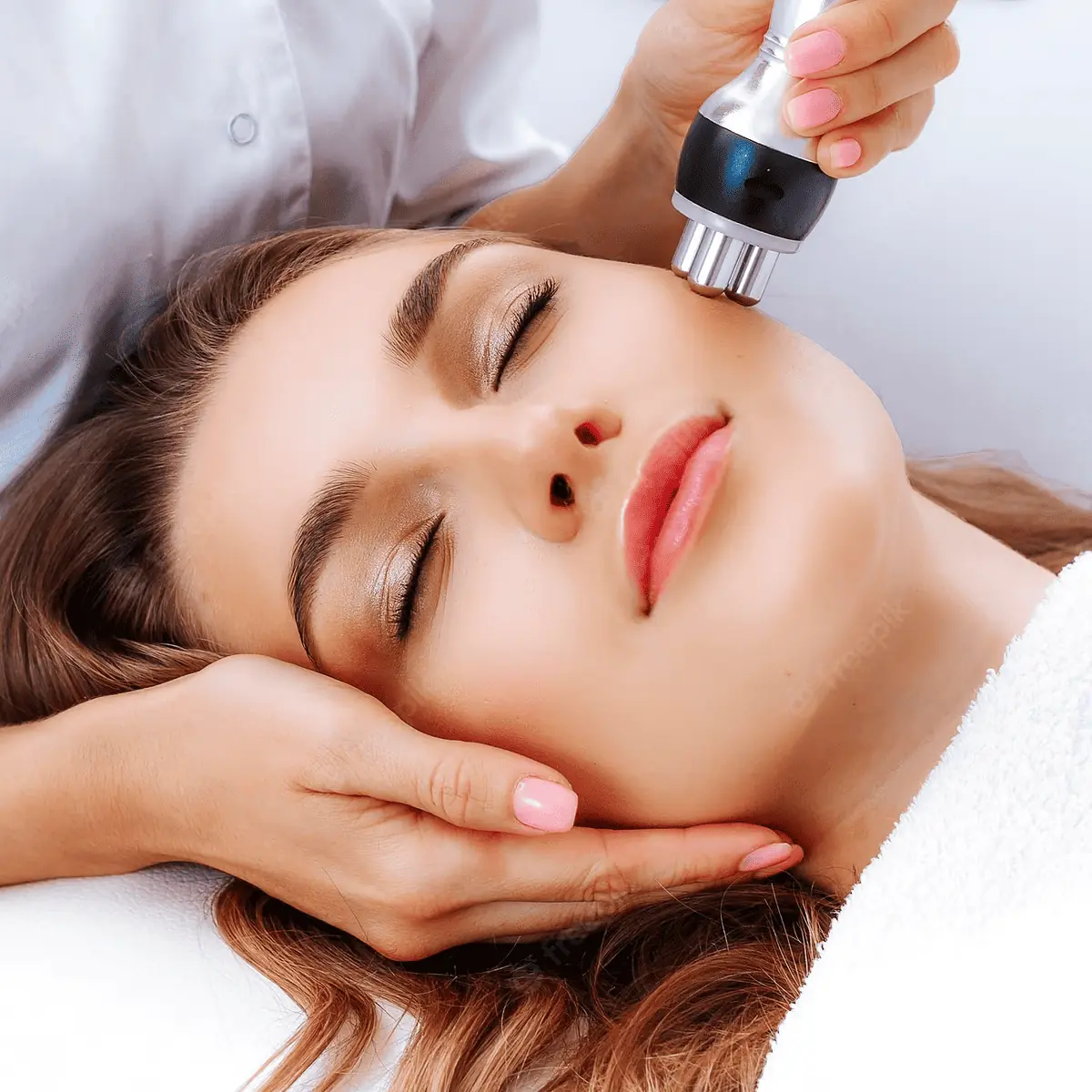
Microneedling: Revolutionizing Skin Rejuvenation
Microneedling has rapidly become a favored method for skin rejuvenation, standing out as a minimally invasive procedure designed to stimulate the body’s natural collagen production. This innovative technique involves the use of a device equipped with fine needles to create tiny punctures in the top layer of the skin, which triggers the body’s healing process, resulting in improved skin texture and firmness. By promoting the regeneration of new skin cells, microneedling effectively addresses a range of skin concerns, including fine lines and wrinkles, scars, enlarged pores, and uneven skin tone. The procedure is celebrated for its versatility, being suitable for all skin types and requiring minimal downtime, making it an attractive option for those seeking effective and efficient skin care solutions.
One of the most compelling aspects of microneedling is its ability to enhance the absorption of topical treatments, thereby amplifying their benefits. When applied immediately after the procedure, skin care products can penetrate deeper into the skin, maximizing their efficacy. This synergy between microneedling and topical treatments enables a customized approach to skin care, allowing for tailored solutions that cater to the unique needs of each individual’s skin. Moreover, the procedure is relatively quick, typically taking about an hour, and is often described as having a low level of discomfort, comparable to a light sandpaper moving across the skin.
Before undergoing microneedling, it is essential to consult with a qualified dermatologist or skin care professional who can assess your skin’s condition and determine the most appropriate treatment plan. Post-procedure care is crucial to ensure optimal healing and results, including the use of sun protection and possibly specific post-treatment products recommended by the professional. While some may notice improvements shortly after the first session, achieving the best results generally requires a series of treatments spaced several weeks apart. As microneedling continues to evolve, with advancements in technique and technology enhancing its safety and effectiveness, it solidifies its status as a revolutionary approach to achieving healthier, more youthful-looking skin.
CoolSculpting stands at the forefront of non-surgical fat reduction techniques, embodying the intersection of science and aesthetic medicine. This FDA-approved procedure, also known as cryolipolysis, capitalizes on the principle that fat cells are more susceptible to cold temperatures than the surrounding tissues. During a CoolSculpting session, targeted areas of the body are exposed to cold for a controlled period, leading to the crystallization and subsequent death of fat cells. Over the weeks following the treatment, the body naturally processes and eliminates these cells, resulting in a more sculpted and refined silhouette. Unlike traditional weight-loss methods, CoolSculpting specifically targets localized fat deposits that are resistant to diet and exercise, making it an ideal solution for refining and shaping the body’s contours without the need for incisions or anesthesia.
The science behind CoolSculpting is a testament to the innovative ways in which modern aesthetic treatments can achieve significant results with minimal invasiveness. This procedure is particularly appealing to those who wish to avoid the downtime and potential complications associated with surgical fat removal methods. However, it’s important to have realistic expectations; CoolSculpting is not a weight-loss solution but rather a contouring treatment designed for individuals close to their ideal body weight. The process is highly customizable, with various applicators available to treat different parts of the body, including the abdomen, thighs, arms, and chin.
In the context of non-surgical body contouring, CoolSculpting represents one of several advanced techniques available today. Another notable mention is mesotherapy, a procedure involving the injection of vitamins, enzymes, hormones, and plant extracts to rejuvenate and tighten skin, as well as remove excess fat. While CoolSculpting and mesotherapy differ significantly in their approach and mechanism of action, both offer alternatives to invasive surgery, catering to the growing demand for effective, less invasive cosmetic treatments. Prospective candidates should consult with a qualified professional to discuss their goals and determine the most appropriate treatment option, taking into consideration the specific advantages and limitations of each procedure.
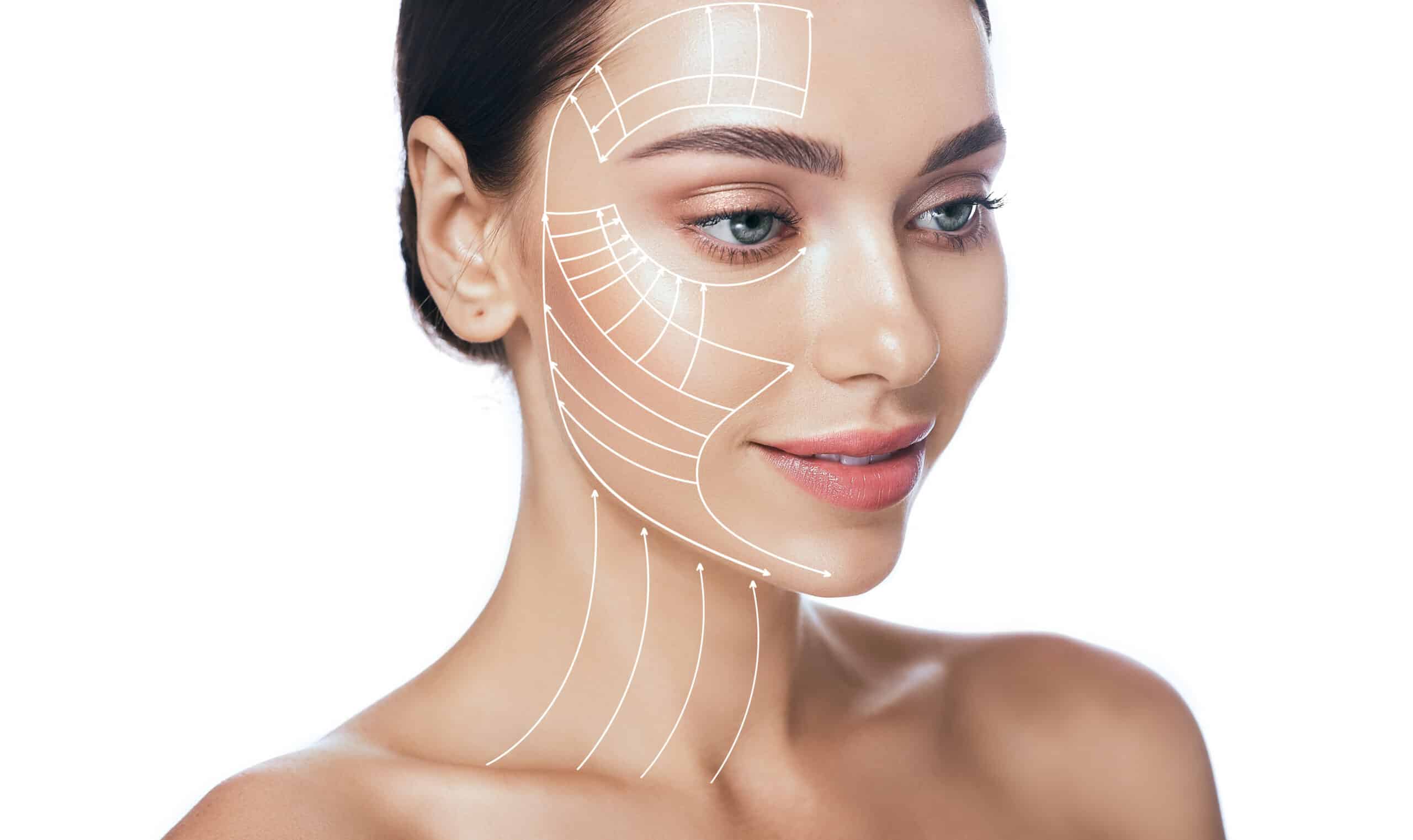
Ultherapy: The Non-Invasive Lift for Face and Neck
Ultherapy has emerged as a groundbreaking non-invasive procedure for lifting and tightening the skin on the face and neck, heralding a new era in cosmetic treatments that require no surgery. Utilizing focused ultrasound energy, Ultherapy targets the deeper layers of the skin, stimulating collagen production and initiating a natural healing process that results in a firmer, more youthful appearance. This technology precisely heats the tissue at optimal temperatures to rejuvenate and lift the skin from within, without disturbing the surface. As a result, patients can enjoy the benefits of a lift without the downtime, risks, and recovery associated with traditional surgical facelifts.
The procedure is celebrated for its ability to improve skin elasticity and structure, significantly reducing signs of aging such as sagging skin and wrinkles. Ultherapy is particularly appealing because it can provide noticeable results with a single treatment, although outcomes may vary and some individuals may benefit from additional sessions. The effects of the treatment develop gradually over two to three months as new collagen is produced, with some patients reporting continued improvement for up to six months post-treatment. This subtlety allows for a natural-looking enhancement, making it an ideal solution for those seeking improvements without obvious signs of having undergone a cosmetic procedure.
Considering Ultherapy, it’s crucial for potential candidates to consult with a qualified professional who can assess their suitability for the treatment and explain the expected outcomes and any possible side effects. While Ultherapy does not replicate the results of a surgical facelift, it offers a compelling alternative for individuals looking to address mild to moderate skin laxity without surgery. The procedure’s safety profile, coupled with its efficacy in promoting a more rejuvenated appearance, positions Ultherapy as a leading choice for non-invasive facial and neck rejuvenation among patients seeking to combat the signs of aging gracefully.
PRP Therapy, or Platelet-Rich Plasma Therapy, stands as a testament to the innovative strides being made in the field of regenerative medicine, particularly in skincare. This treatment leverages the healing power of one’s own platelets to rejuvenate the skin and promote the repair of damaged tissue. By extracting a small sample of the patient’s blood, centrifuging it to concentrate the platelets, and then injecting this platelet-rich plasma back into the skin, PRP therapy stimulates collagen production and encourages the growth of new cells. This natural process not only enhances the skin’s overall texture and tone but also effectively addresses a variety of skin concerns, including fine lines, wrinkles, and scars, offering a more youthful and radiant complexion.
The allure of PRP therapy lies in its holistic approach to skin rejuvenation. Unlike treatments that rely on synthetic substances or invasive procedures, PRP therapy uses the body’s own biological material to foster healing and improvement from within. This minimizes the risk of allergic reactions or adverse effects, making it a safe option for individuals seeking an organic path to beauty. The treatment is relatively quick, with sessions typically lasting about an hour, and requires little to no downtime, allowing patients to return to their daily activities almost immediately. Although the results of PRP therapy are not instant, improvements become more visible over several weeks as the skin naturally regenerates, culminating in a more vibrant and refreshed appearance.
Despite its many benefits, PRP therapy is not a one-size-fits-all solution. The effectiveness of the treatment can vary from person to person, depending on factors such as age, lifestyle, and the specific skin issues being addressed. Therefore, it is crucial for anyone considering PRP therapy to consult with a healthcare professional who can provide a thorough assessment and tailor the treatment to meet their individual needs. By doing so, patients can maximize the potential benefits of PRP therapy, harnessing the power of their platelets to unlock the secret to healthier, more beautiful skin.
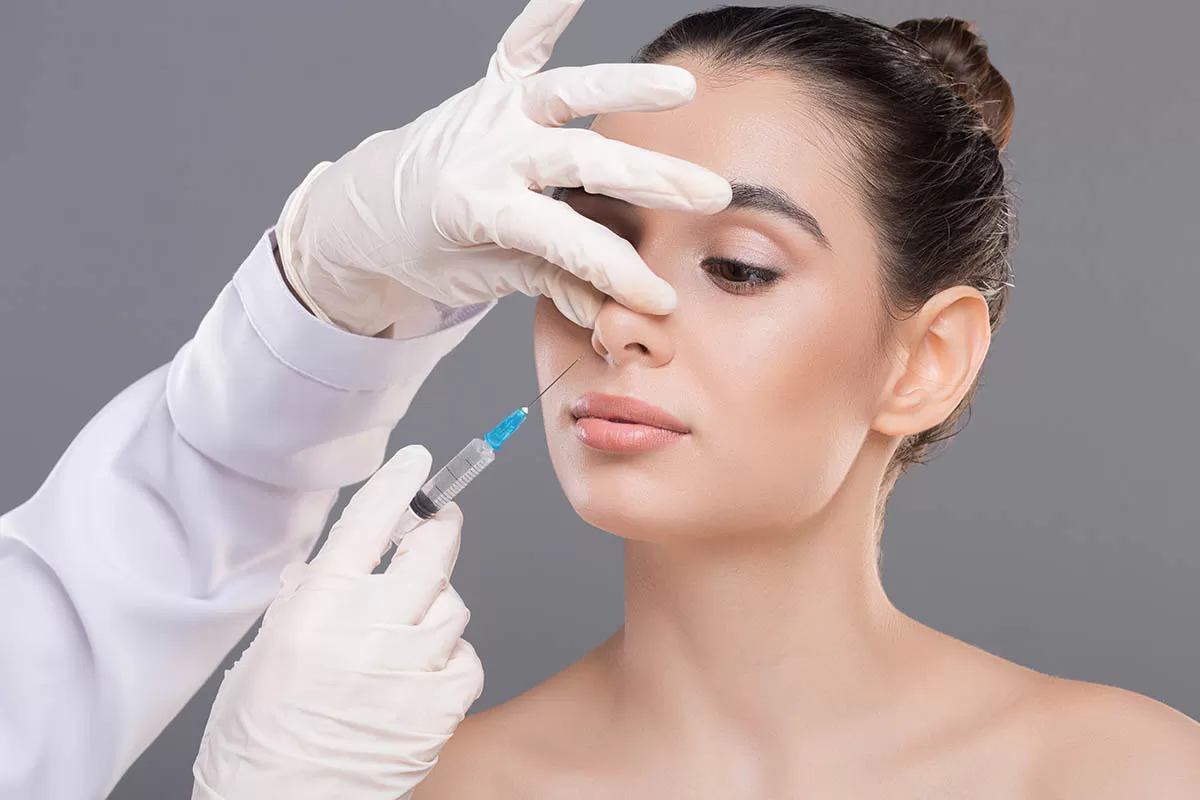
Non-Surgical Rhinoplasty: Reshaping the Nose Without Surgery
Non-surgical rhinoplasty, often referred to as a “liquid nose job,” has emerged as a revolutionary approach to nose reshaping, offering a minimally invasive alternative to traditional surgical rhinoplasty. This procedure utilizes injectable fillers, typically made of hyaluronic acid, to alter the shape of the nose by filling in depressions, smoothing out humps, or enhancing the nasal tip. The appeal of non-surgical rhinoplasty lies in its ability to deliver immediate results with minimal downtime and discomfort. Patients can see the changes to their nose almost instantly, with the final effect visible once any swelling has subsided. This technique is particularly suited for those seeking to make subtle enhancements to their nasal appearance without the risks and recovery time associated with surgery.
While the results of non-surgical rhinoplasty are not permanent, lasting anywhere from six months to two years depending on the type of filler used, the procedure offers a unique opportunity for individuals to test drive modifications to their nasal appearance before committing to permanent surgical changes. It’s also an excellent option for individuals looking to correct minor imperfections or asymmetry that do not warrant the invasiveness of surgery. However, it’s crucial for patients to have realistic expectations and understand that non-surgical rhinoplasty has its limitations, particularly in cases requiring significant structural changes or correction of breathing issues, which would necessitate traditional rhinoplasty.
Consultation with a qualified and experienced practitioner is essential to determine if non-surgical rhinoplasty is the right choice for a patient’s specific needs and aesthetic goals. The practitioner will evaluate the patient’s nasal structure, skin condition, and medical history to ensure the procedure is appropriate and to customize the treatment for optimal results. By choosing a reputable professional and following their aftercare advice, patients can enjoy a refreshed and refined nasal appearance with minimal risk and maximum satisfaction, making non-surgical rhinoplasty a compelling option for those seeking to enhance their facial harmony without undergoing surgery.
Thread lifts have emerged as a compelling alternative to traditional facelift surgery, appealing to those seeking a less invasive procedure for facial rejuvenation. This innovative technique involves the insertion of temporary, absorbable sutures under the skin to lift and tighten sagging facial tissues. Unlike a conventional facelift, which requires cutting away excess skin, thread lifts rely on the strategic placement of these threads to prompt the body’s healing response, thereby increasing collagen production in the treated areas. The result is a subtle yet visible lift that can rejuvenate the face, reducing the appearance of wrinkles, fine lines, and sagging without the need for extensive surgery, general anesthesia, or a lengthy recovery period.
The benefits of thread lifts extend beyond their minimal invasiveness. Patients appreciate the shorter procedure time, usually under an hour, and the ability to return to daily activities relatively quickly. The risks of scarring, infection, and other complications associated with surgical facelifts are significantly reduced. Furthermore, the effects of a thread lift are adjustable over time, with the ability to add more threads as needed for additional lift or to adjust to the natural aging process. While the results are not as long-lasting as those of a surgical facelift, they offer an excellent option for individuals looking for a more modest enhancement or those who wish to delay more invasive procedures.
However, it’s important for those considering a thread lift to have realistic expectations about the outcome. The results are more subtle compared to a surgical facelift and are best suited for patients with mild to moderate signs of aging. The longevity of the results varies, typically lasting from one to three years, depending on the individual’s skin quality and how well they care for their skin post-procedure. Consulting with a qualified and experienced practitioner is crucial to assess suitability for the procedure, understand the potential benefits and limitations, and ensure the best possible outcome. With proper patient selection and skilled application, thread lifts can provide a safer, quicker, and cost-effective alternative to traditional facelift surgery, offering patients a refreshed and more youthful appearance with minimal downtime.
