
Pre-surgery medical tests are essential evaluations that determine whether the body is medically prepared for an aesthetic procedure and help reduce preventable surgical risks. These assessments are critical because even cosmetic interventions place physiological stress on the body and require optimal internal balance for safe healing.
Understanding which tests are required before surgery allows patients to move forward with confidence and realistic expectations. Proper screening not only protects overall health but also directly impacts surgical precision, recovery speed, and final aesthetic outcomes.

Preoperative medical testing is essential because it uncovers underlying health risks that may not show symptoms in daily life. These evaluations help surgeons anticipate complications related to anesthesia, bleeding, or delayed healing.
Medical clearance also allows the surgical plan to be personalized. When health parameters are clearly defined, surgeons can select safer techniques, appropriate anesthesia methods, and optimized recovery protocols.
In clinical practice, patients who complete full preoperative assessments experience fewer last-minute cancellations and significantly lower complication rates. This structured approach benefits both patient safety and surgical success.
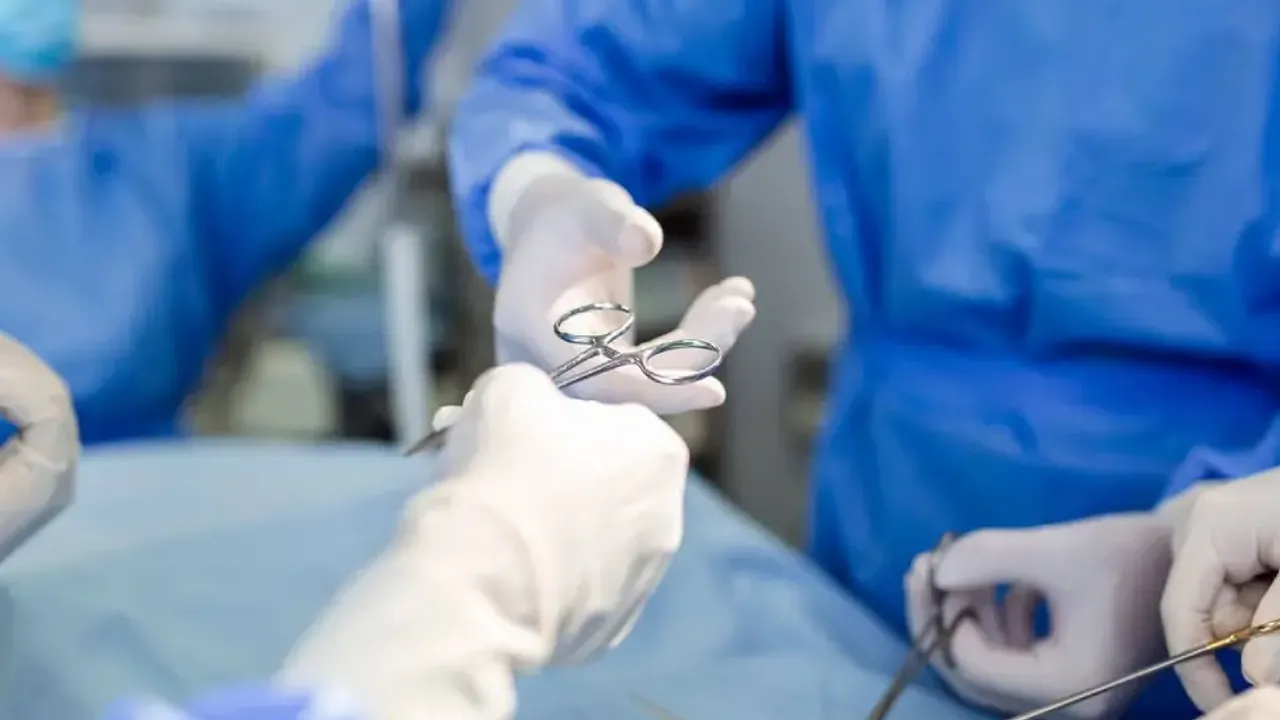
Before cosmetic surgery, a standardized group of medical evaluations is used to assess overall fitness for the procedure. These tests provide baseline data that guide surgical decision-making.
Commonly required assessments include:
The scope of testing varies depending on age, medical history, anesthesia type, and procedure complexity. More extensive surgeries typically require broader screening to ensure full systemic readiness.

Blood testing plays a central role in determining whether the body can safely tolerate surgery and recover efficiently. These tests reveal how well vital systems are functioning prior to intervention.
A complete blood count evaluates red blood cells, white blood cells, and platelets to assess oxygen delivery, immune response, and clotting ability. Abnormal values may indicate anemia, infection risk, or impaired healing potential.
Clotting tests measure how efficiently blood coagulates during injury or surgery. These results are critical for preventing excessive bleeding, particularly in procedures involving large tissue areas.
Liver and kidney markers show how effectively the body can process anesthesia and medications. If these values fall outside normal ranges, surgical timing or medication plans may need adjustment.

Heart and lung function assessments are essential because anesthesia directly affects both systems. Even patients without known conditions may require screening to ensure physiological stability.
An ECG evaluates heart rhythm and electrical activity to identify irregularities that could increase anesthesia risk. This test is especially important for patients over a certain age or with cardiovascular history.
Lung assessments ensure adequate oxygen exchange during and after surgery. Patients with asthma, smoking history, or previous respiratory issues may need additional clearance to minimize complications.
These evaluations significantly reduce anesthesia-related risks and support safer intraoperative management.

Chronic medical conditions must be carefully reviewed before aesthetic surgery because they can influence healing, infection risk, and surgical stress tolerance. Conditions such as diabetes, hypertension, or thyroid disorders require controlled management prior to intervention.
Medication and supplement use is equally important. Blood thinners, hormonal therapies, and certain herbal supplements can increase bleeding risk or interfere with anesthesia effectiveness.
Patients who provide a complete and accurate health history allow surgeons to plan safer procedures and reduce unexpected complications.
Preoperative testing improves patient safety by identifying risks before they become complications. This proactive approach allows medical teams to intervene early or postpone surgery when necessary.
From an outcome perspective, optimized health parameters contribute to:
Clinics that prioritize thorough medical screening consistently achieve better long-term outcomes and stronger patient trust.

Patients play an active role in the pre-surgical process by preparing properly for evaluations. Following professional guidance ensures accurate test results and smoother surgical planning.
Key preparation steps include:
These actions help avoid delays and support a safe surgical journey.
Pre-surgery medical tests are a critical foundation for safe and successful aesthetic procedures. By identifying risks early and ensuring physiological readiness, these evaluations protect health and enhance surgical precision.
If you are considering a cosmetic procedure, choose a clinic that prioritizes comprehensive medical assessment. A well-prepared body is the most reliable starting point for achieving natural, long-lasting aesthetic results.
