
Porcelain crowns are known for their remarkable strength and durability. They are engineered to withstand the daily wear and tear of chewing and biting forces, making them a reliable choice for restoring damaged or weakened teeth. Porcelain, which is a type of ceramic, possesses inherent strength properties that mimic natural tooth enamel. When properly manufactured and bonded to the tooth, porcelain crowns can endure significant pressure and resist fractures.
The strength of porcelain crowns can vary depending on the specific type of porcelain used and the quality of their fabrication. Modern advancements in dental materials have led to the development of high-strength porcelain options, such as zirconia-reinforced porcelain, which offer even greater durability. Dentists often consider the patient’s bite force, the location of the crown, and the underlying tooth condition when selecting the appropriate type of porcelain crown to ensure optimal strength and longevity.
Porcelain crowns are engineered to be exceptionally strong and capable of withstanding the forces exerted during normal chewing and biting. Their durability, when combined with proper care and maintenance, can result in a long-lasting dental restoration that provides both functionality and an aesthetically pleasing appearance.
Laminate and porcelain crowns share similarities in terms of their strength and durability. Like porcelain crowns, laminates are designed to withstand the daily wear and tear of chewing and biting forces, providing reliable and long-lasting dental restorations. Both options offer exceptional durability when properly selected and cared for, ensuring patients enjoy the benefits of strong and resilient teeth.
Composition and Durability of Porcelain Crowns
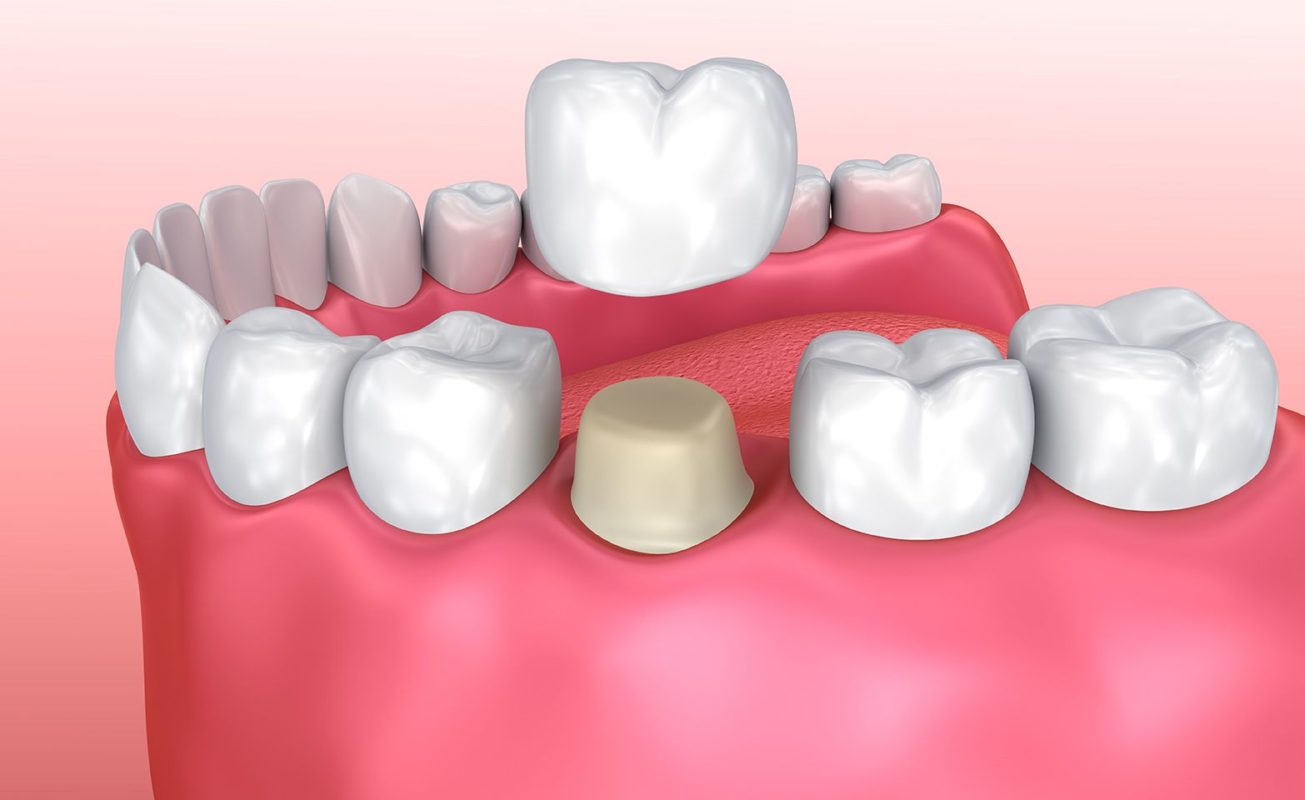
Porcelain crowns are crafted from a combination of ceramics, which makes them a popular choice for dental restorations due to their impressive durability and natural appearance. These crowns are typically made using a blend of porcelain and other materials like zirconia, which enhances their strength. The composition of porcelain crowns allows them to closely mimic the translucency and texture of natural teeth, ensuring a seamless and aesthetically pleasing match with the surrounding dentition.
In terms of durability, porcelain crowns are designed to withstand the daily forces of biting and chewing. While they may not be as robust as some other dental materials like metal, they offer excellent resilience for typical dental functions. Their longevity largely depends on factors such as the patient’s oral hygiene habits and the location of the crown in the mouth. With proper care and regular dental check-ups, porcelain crowns can last for many years, making them a reliable choice for restoring damaged or weakened teeth while maintaining a natural and appealing smile.
Porcelain crowns, when compared to other crown materials, offer a unique blend of aesthetics and durability. One of the primary advantages of porcelain crowns is their natural appearance. They closely resemble natural teeth in terms of color, translucency, and texture, making them an excellent choice for visible teeth restorations. This aesthetic quality makes porcelain crowns a preferred option for front teeth or those in prominent positions in the smile.
In terms of strength, porcelain crowns are generally strong enough to withstand the forces of regular biting and chewing. However, they may not be as robust as some other materials like metal or zirconia. Depending on the specific needs of the patient, the dentist may recommend alternative crown materials for posterior teeth where biting forces are higher. Metal crowns, for instance, are exceptionally durable and are often used for molars. Zirconia crowns offer a balance between strength and aesthetics, making them suitable for both front and back teeth.
Ultimately, the choice of crown material depends on factors such as the location of the tooth, the patient’s preferences, and the dentist’s recommendations. Porcelain crowns excel in providing a natural and attractive appearance, while other materials may offer superior strength for specific situations. Dentists work closely with patients to determine the most suitable crown material based on their individual needs and expectations.
The Lifespan of Porcelain Dental Crowns
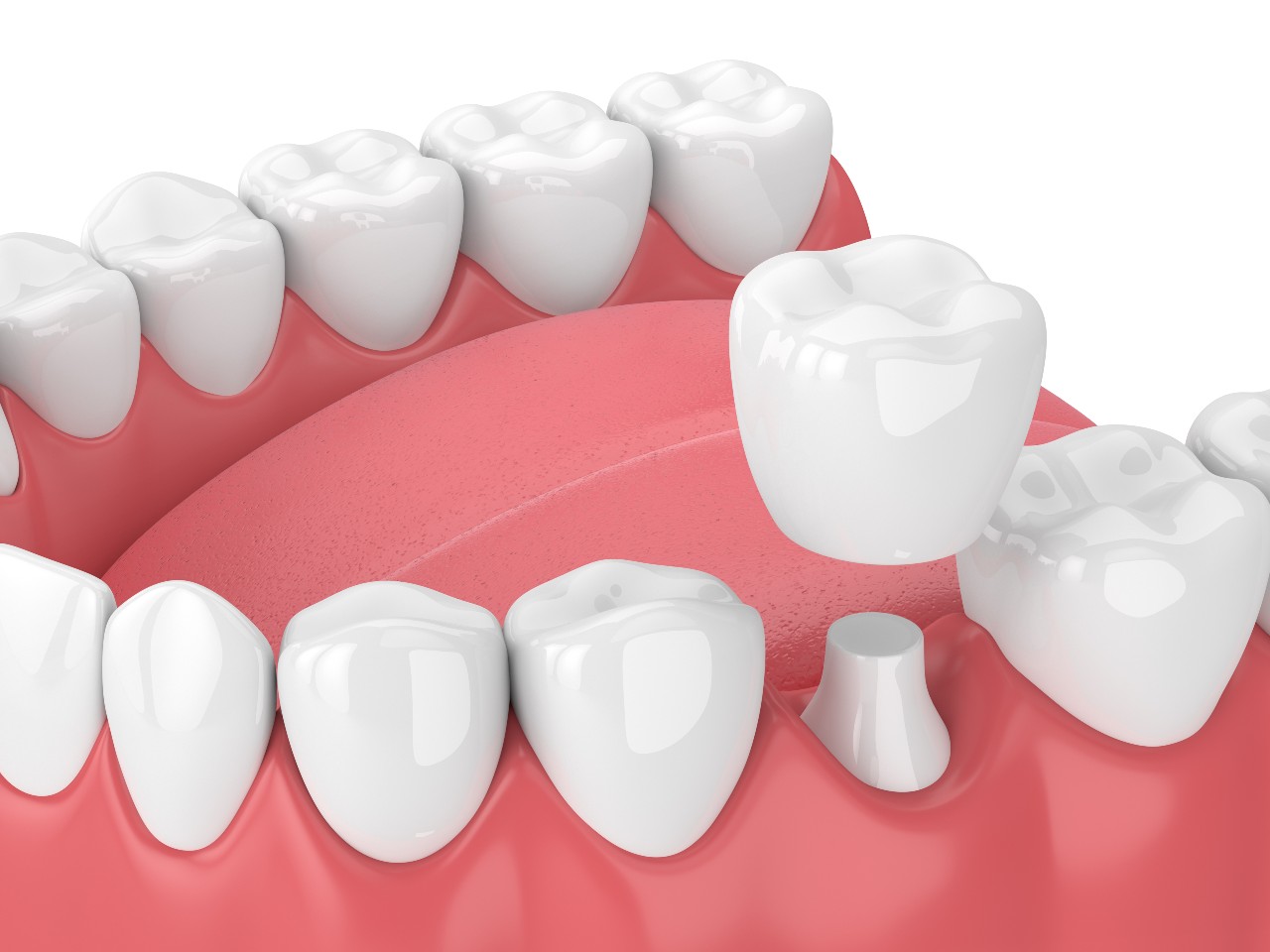
The lifespan of porcelain dental crowns can vary depending on several factors, including the patient’s oral hygiene habits, bite forces, and the quality of the crown itself. Generally, porcelain crowns are designed to be durable and long-lasting. On average, they can last anywhere from 10 to 15 years or even longer with proper care.
Proper oral hygiene is crucial in extending the lifespan of porcelain crowns. Regular brushing, flossing, and routine dental check-ups help prevent the accumulation of plaque and bacteria around the crown, reducing the risk of decay or gum disease that could compromise the crown’s integrity. Additionally, avoiding habits like teeth grinding or using teeth as tools can help protect the crown from unnecessary wear and damage.
The quality of the crown and its fabrication process also plays a significant role in its longevity. High-quality porcelain and meticulous craftsmanship can result in crowns that are more resistant to chipping or fractures. Dentists work closely with patients to ensure the crown’s fit and function are optimal, which contributes to its overall durability. In summary, porcelain dental crowns have a substantial lifespan, but it depends on individual factors and proper care to maximize their longevity.
Porcelain crowns are designed to perform exceptionally well in everyday use, particularly when it comes to chewing efficiency. These crowns are custom-crafted to fit precisely over damaged or weakened teeth, restoring their functionality and appearance. When properly bonded to the tooth structure, porcelain crowns can withstand the normal forces of biting and chewing, allowing individuals to eat comfortably and efficiently.
The natural appearance and smooth surface of porcelain crowns enable them to mimic the texture and function of natural teeth. This makes them an ideal choice for restorations in visible areas of the mouth, as they seamlessly blend with the surrounding dentition. Patients can enjoy a wide range of foods and maintain their dietary preferences without concerns about the crown’s performance.
Additionally, porcelain crowns are known for their durability, making them suitable for long-term use. However, individuals should still be cautious about habits like teeth grinding, which can put excess stress on the crown and potentially lead to premature wear or damage. Overall, porcelain crowns excel in providing both aesthetic appeal and effective chewing efficiency for daily activities, contributing to an improved quality of life for those who receive them.
The Impact of Oral Habits on Porcelain Crown Longevity
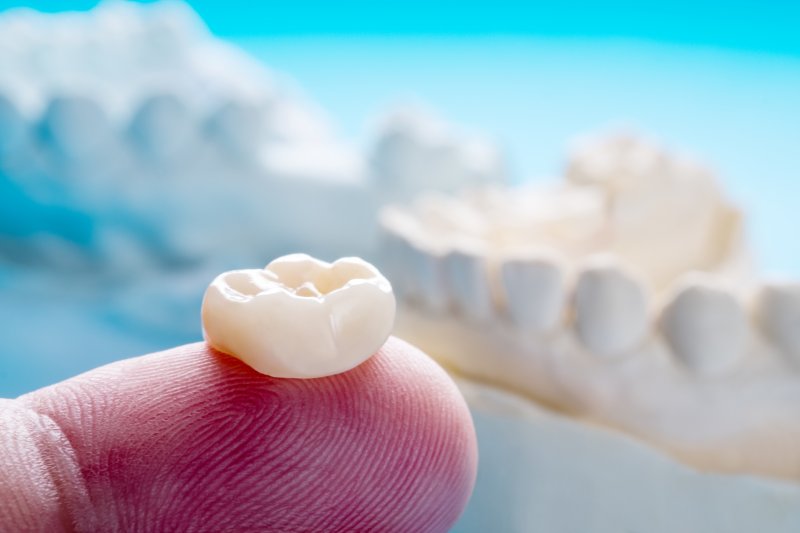
The longevity of porcelain crowns can be significantly influenced by an individual’s oral habits. Several habits can have a direct impact on the durability and lifespan of these dental restorations. One of the most common detrimental habits is teeth grinding or clenching, known as bruxism. Bruxism can exert excessive pressure on the porcelain crown, leading to microcracks, chipping, or even fractures over time. Dentists often recommend the use of night guards to protect the crown and natural teeth from the effects of bruxism.
Another habit that can affect porcelain crown longevity is nail-biting or chewing on hard objects like ice or pens. These actions can place undue stress on the crown and may result in its premature damage or dislodgment. Additionally, poor oral hygiene practices, such as irregular brushing and flossing, can lead to the buildup of plaque and bacteria around the crown’s margins, increasing the risk of decay and gum disease that could compromise the crown’s integrity.
Furthermore, individuals who engage in activities that involve biting or tearing with their front teeth, such as opening packages or using teeth as tools, should be cautious as these actions can also weaken or damage porcelain crowns. In summary, maintaining good oral habits and avoiding detrimental practices is essential for preserving the longevity and functionality of porcelain crowns, ensuring they provide lasting benefits for patients.
Proper maintenance and care are crucial for ensuring the longevity and optimal performance of porcelain crowns. To keep porcelain crowns in excellent condition, individuals should adhere to a few essential oral hygiene practices. Regular brushing with a soft-bristle toothbrush and non-abrasive toothpaste is essential to prevent the buildup of plaque and bacteria around the crown’s margins. Flossing daily is equally important to maintain healthy gum tissue and prevent potential issues that could compromise the crown’s integrity.
In addition to routine oral hygiene, it’s advisable to schedule regular dental check-ups. These visits allow dentists to monitor the condition of the porcelain crown and ensure it remains securely bonded to the tooth. Any signs of wear, chipping, or damage can be addressed promptly, preventing more significant issues from developing.
Patients should also be mindful of their dietary choices. While porcelain crowns are durable, they can still be susceptible to damage from overly hard or sticky foods. Avoiding habits like teeth grinding or using teeth as tools can help protect the crown from unnecessary wear and potential fractures.
Lastly, individuals who engage in sports or activities that could lead to dental trauma should consider wearing a mouthguard to safeguard their porcelain crowns and natural teeth from injury. By following these maintenance and care guidelines, individuals can maximize the lifespan and functionality of their porcelain crowns and enjoy a healthy and attractive smile for years to come.
Repairing and Replacing Porcelain Dental Crowns
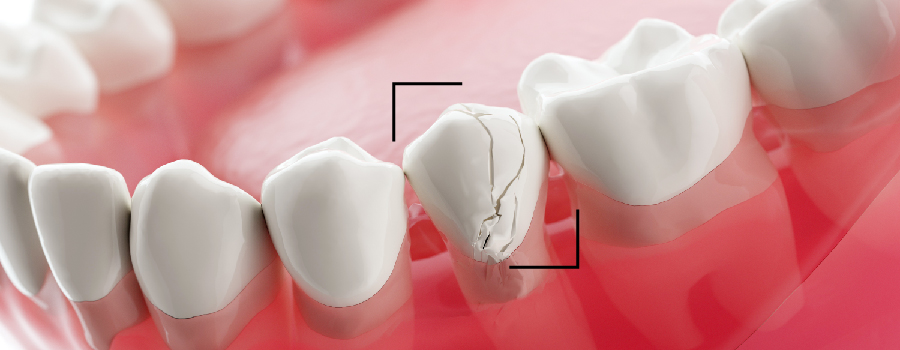
Repairing or replacing porcelain dental crowns may become necessary in certain situations. While porcelain crowns are designed to be durable, they can still experience wear and tear over time or face unexpected issues. One common reason for repair or replacement is chipping or fracturing of the crown. If a minor chip occurs, a dentist may be able to repair it using composite resin or bonding material to restore the crown’s integrity and appearance. However, for more extensive damage or fractures, replacement might be the preferred solution to ensure the crown’s long-term functionality and aesthetics.
Another reason for replacement is when the underlying tooth structure develops decay or experiences damage. In such cases, the dentist may need to remove the existing crown, address the underlying issue, and then create a new porcelain crown to fit over the restored tooth. Additionally, as porcelain crowns age, their color may slightly change or become discolored compared to the natural teeth. In situations where the esthetic harmony is compromised, individuals may choose to replace the crown for a more uniform and pleasing appearance.
Ultimately, the decision to repair or replace a porcelain dental crown depends on the extent of the damage, the condition of the underlying tooth, and the individual’s aesthetic preferences. Dentists will assess the specific situation and recommend the most appropriate course of action to ensure the patient’s oral health and satisfaction with their dental restoration.
Porcelain crowns offer several aesthetic advantages that make them a popular choice for dental restorations. One of the primary benefits is their ability to closely mimic the appearance of natural teeth. Porcelain is a dental material that can be color-matched to the surrounding teeth, ensuring a seamless and harmonious blend within the smile. This natural coloration, along with the porcelain’s translucency and texture, makes it difficult for onlookers to distinguish between the crown and the natural teeth.
Furthermore, porcelain crowns possess a smooth and polished surface that not only enhances their natural look but also resists staining. Unlike some other dental materials, porcelain crowns do not readily absorb pigments from food, beverages, or tobacco, allowing them to maintain their aesthetic appeal over time. This stain-resistant property helps individuals maintain a bright and attractive smile, promoting self-confidence and overall satisfaction with their dental restoration.
Additionally, porcelain crowns can be customized to achieve the desired shape, size, and alignment, allowing for precise improvements in the overall appearance of the teeth. Whether addressing issues like discoloration, misalignment, or irregularities in tooth shape, porcelain crowns provide a versatile and aesthetically pleasing solution. Overall, their ability to blend seamlessly with the natural dentition, resist staining, and offer customization options makes porcelain crowns an excellent choice for individuals seeking both functional and visually appealing dental restorations.
The Process of Fitting a Porcelain Crown
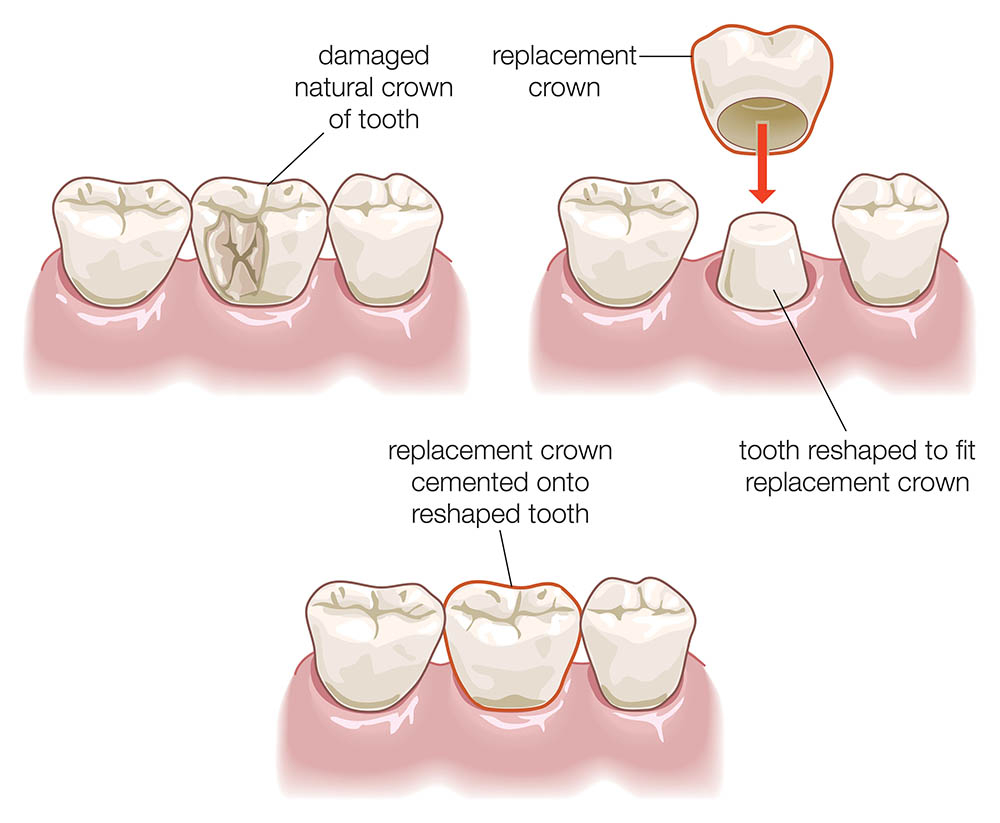
The process of fitting a porcelain crown typically involves several stages and careful attention to detail. First, the dentist assesses the tooth that requires the crown to determine its condition and suitability for the restoration. If the tooth is damaged or has decay, any necessary preparatory work is performed to ensure a solid foundation for the crown. This may involve removing damaged tissue or shaping the tooth to accommodate the crown.
Next, impressions of the prepared tooth and the surrounding teeth are taken to create an accurate mold. These impressions are sent to a dental laboratory where skilled technicians fabricate the custom porcelain crown. During this process, the dentist may provide specific instructions regarding the crown’s color, shape, and size to ensure it blends seamlessly with the patient’s natural teeth and addresses any cosmetic concerns.
Once the porcelain crown is ready, the patient returns to the dentist’s office for the fitting procedure. The dentist carefully checks the fit, ensuring that the crown aligns correctly with the patient’s bite and makes any necessary adjustments. The crown is then permanently bonded to the prepared tooth using dental cement, creating a secure and long-lasting restoration.
The process of fitting a porcelain crown involves evaluation, tooth preparation, mold creation, crown fabrication, and finally, precise fitting and bonding to restore both the function and aesthetics of the tooth in question. The result is a durable and natural-looking dental restoration that enhances the patient’s smile and overall oral health
Understanding the cost-benefit ratio of porcelain crowns involves weighing the upfront expenses against the long-term advantages they offer. Porcelain crowns are often considered a valuable investment due to their durability, aesthetic appeal, and functional benefits. While the initial cost of getting a porcelain crown may be higher compared to some other dental restorations, such as amalgam fillings, the benefits they provide can make them a cost-effective choice over time.
One significant benefit of porcelain crowns is their longevity. When well-maintained and properly cared for, porcelain crowns can last for a decade or more. This durability reduces the need for frequent replacements or repairs, which could incur additional costs. Furthermore, porcelain crowns closely resemble natural teeth, both in appearance and function, which can contribute to improved self-esteem and confidence, potentially enhancing one’s personal and professional life.
Moreover, porcelain crowns offer excellent resistance to staining, providing a long-lasting and attractive appearance. This means fewer expenses on teeth whitening procedures or products to maintain a bright smile. Additionally, by protecting the underlying tooth structure from further damage or decay, porcelain crowns can potentially prevent the need for more extensive and costly dental treatments in the future.
While the initial cost of porcelain crowns may be higher, their long-term benefits in terms of durability, aesthetics, and potential savings on other dental procedures make them a worthwhile investment for many individuals seeking a reliable and aesthetically pleasing dental restoration.
