
Teeth whitening costs can vary widely depending on several factors. The price of teeth whitening typically depends on the method you choose and where you get the treatment. There are generally two main categories of teeth whitening methods: professional in-office treatments and at-home options.
Professional in-office teeth whitening, performed by a dentist, tends to be more expensive than at-home solutions. The cost can vary depending on your location and the specific treatment offered by the dental office. Dentists often use high-quality whitening agents and advanced equipment to achieve quicker and more dramatic results.
On the other hand, at-home teeth whitening options are usually more budget-friendly. These can include over-the-counter whitening kits, whitening strips, and whitening toothpaste. The effectiveness of these products can vary, and it may take longer to see noticeable results compared to in-office treatments.
It’s essential to consult with a dentist before starting any teeth whitening regimen to determine the most suitable option for your specific needs and budget. They can provide you with a personalized recommendation and discuss potential costs associated with the chosen method. Remember that while the price may vary, achieving a brighter smile can be an investment in your confidence and overall oral health.
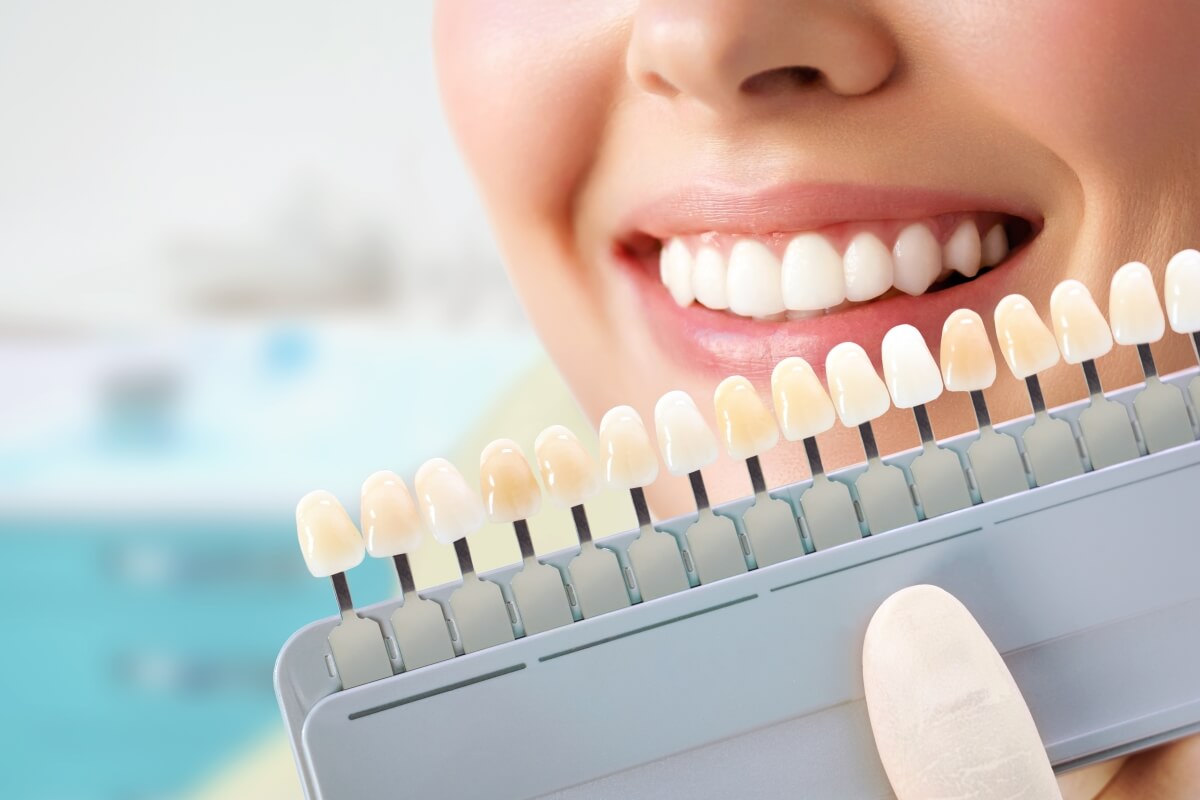
Overview of Teeth Whitening Procedures
Teeth whitening procedures aim to enhance the appearance of teeth by removing stains and discoloration, resulting in a brighter and more youthful smile. These procedures can be broadly categorized into two main methods: professional in-office treatments and at-home solutions.
Professional in-office teeth whitening is conducted by a dentist or dental professional and typically provides the most immediate and dramatic results. It involves the application of a high-concentration whitening gel, often activated by a special light or laser, to accelerate the whitening process. This method is highly effective, but it tends to be more expensive compared to at-home options.
At-home teeth whitening options are more budget-friendly and convenient for many individuals. They include over-the-counter whitening kits, whitening strips, and whitening toothpaste. These products contain lower-concentration whitening agents, and the results may take more time to become noticeable. However, they are a popular choice for maintaining and enhancing the whiteness of teeth over time.
It’s essential to consult with a dentist before choosing a teeth whitening method to determine the most suitable option for your specific needs and expectations. While the price and effectiveness may vary between procedures, both in-office and at-home teeth whitening options can contribute to a brighter and more confident smile.
Professional in-office teeth whitening is a popular choice for individuals seeking quick and highly effective results. While I cannot provide specific cost figures, it’s essential to understand that the price of in-office whitening can vary significantly depending on various factors. These factors include the location of the dental practice, the specific treatment offered, and any additional services or procedures that may be included in the package.
Typically, in-office teeth whitening performed by a dentist involves the application of a high-concentration whitening gel to the teeth, which is often activated by a special light or laser. The dentist closely monitors the procedure to ensure safety and achieve the desired level of whiteness. The immediate and noticeable results make it an attractive option for those looking to improve the appearance of their teeth.
Before undergoing in-office teeth whitening, it’s advisable to schedule a consultation with a dentist to discuss your goals, assess your dental health, and determine the most appropriate treatment plan. During this consultation, the dentist can provide you with a personalized estimate of the costs involved, taking into account the factors specific to your situation. Overall, while in-office teeth whitening may be more expensive than at-home options, many people find the results well worth the investment in achieving a brighter and more confident smile.
Factors Influencing the Price of Teeth Whitening
The cost of teeth whitening can be influenced by several factors that individuals should consider when evaluating their options. These factors play a significant role in determining the overall price of teeth whitening procedures.
It’s crucial for individuals considering teeth whitening to consult with a dentist to assess their specific needs and determine the most suitable and cost-effective option. While the price can vary due to these influencing factors, understanding them can help individuals make informed decisions about their teeth whitening choices.
When considering teeth whitening options, it’s essential to compare the costs and benefits of professional in-office treatments with do-it-yourself (DIY) at-home whitening methods. Both approaches have their advantages and considerations that individuals should weigh.
Professional in-office teeth whitening, performed by a dentist, generally offers the quickest and most dramatic results. However, it tends to be more expensive due to the use of high-concentration whitening agents and specialized equipment. The cost may also vary depending on the dental practice’s location, the complexity of the procedure, and the dentist’s expertise.
On the other hand, DIY at-home teeth whitening solutions are typically more budget-friendly. These options include over-the-counter whitening kits, whitening strips, and whitening toothpaste. While they may take longer to produce noticeable results, they offer convenience and can be a cost-effective choice for maintaining whiter teeth over time. DIY methods are also accessible and allow individuals to whiten their teeth at their own pace.
When deciding between the two, it’s crucial to consider your specific goals, budget, and any potential dental issues. Consulting with a dentist can help you determine the most suitable option for your needs. They can provide guidance on the expected costs, potential risks, and the likely outcome of each method. Ultimately, the decision should align with your preferences and priorities regarding the speed and cost of achieving a brighter smile.
Dental Insurance and Teeth Whitening Coverage
Dental insurance coverage for teeth whitening procedures varies widely among insurance plans. In most cases, dental insurance primarily focuses on covering essential dental treatments, such as preventive care (like cleanings and check-ups), restorative procedures (like fillings or crowns), and necessary oral surgeries. Cosmetic procedures like teeth whitening are typically considered elective and are not typically covered by standard dental insurance plans.
However, there may be exceptions. Some dental insurance plans offer coverage for teeth whitening, but usually under specific circumstances. For example, if the teeth discoloration is a result of an underlying dental issue or trauma, insurance may provide coverage for the necessary treatment, which could include teeth whitening. It’s essential to check the details of your dental insurance policy and consult with your insurance provider to understand if any coverage for teeth whitening is available and what specific conditions or criteria must be met.
In most cases, individuals interested in teeth whitening should be prepared to cover the costs out of pocket. They may choose between professional in-office treatments or various at-home whitening options, considering their budget and cosmetic goals. Consulting with a dentist to discuss the most suitable and cost-effective teeth whitening method for your situation is advisable, especially if dental insurance coverage is limited or not applicable to cosmetic procedures.
After undergoing a teeth whitening procedure, it’s important to consider the maintenance costs involved in preserving your brighter smile. While the initial teeth whitening treatment can provide noticeable results, maintaining that whiteness over time requires ongoing care and investment.
One of the most common maintenance costs is purchasing teeth whitening products for at-home use. These can include whitening toothpaste, whitening strips, or touch-up kits. Using these products regularly can help prevent new stains and maintain the results of the initial whitening treatment. However, it’s essential to budget for these ongoing expenses as they may vary depending on the brand and type of products chosen.
Additionally, routine dental check-ups and professional cleanings are crucial for oral health and can contribute to maintaining the brightness of your teeth. While these are not specific “whitening” costs, they are part of the overall maintenance routine. Dental professionals can provide guidance on maintaining your whitened teeth, offer advice on oral hygiene practices, and monitor any changes in tooth color.
Ultimately, the cost of maintaining teeth whitening results will depend on individual preferences and the chosen maintenance routine. It’s advisable to consult with a dentist for personalized recommendations and to understand the potential long-term costs associated with maintaining a bright and healthy smile.
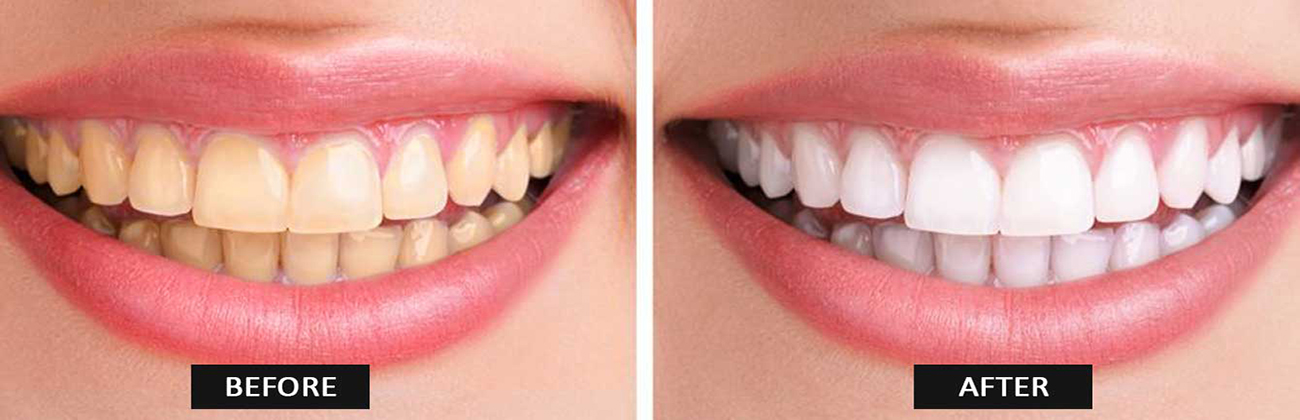
Longevity of Teeth Whitening Results
The longevity of teeth whitening results can vary from person to person and depends on several factors. The duration for which your teeth stay white after a whitening treatment can be influenced by factors such as your oral hygiene practices, dietary habits, and the specific whitening method used.
Firstly, maintaining good oral hygiene is crucial for prolonging the results of teeth whitening. Regular brushing, flossing, and routine dental check-ups can help prevent the accumulation of new stains and keep your teeth looking brighter for a more extended period.
Dietary choices also play a significant role in how long your teeth stay white. Consuming foods and drinks that are known to stain teeth, such as coffee, tea, red wine, and certain berries, can lead to the gradual return of discoloration. Limiting or avoiding these items can help preserve your whitened smile.
Furthermore, the choice of whitening method can impact the longevity of results. Professional in-office treatments typically provide more immediate and longer-lasting effects compared to over-the-counter whitening products. However, even with professional treatments, touch-up procedures or at-home maintenance may be necessary over time to keep your teeth as white as desired.
The duration of teeth whitening results depends on various factors, including oral care, diet, and the initial whitening method. By adopting a diligent oral hygiene routine and making mindful dietary choices, individuals can extend the longevity of their whiter teeth and enjoy the benefits of their whitening treatment for an extended period.
Teeth whitening is generally considered a safe cosmetic procedure, but like any medical or dental treatment, it comes with potential risks and side effects. It’s essential for individuals considering teeth whitening to be aware of these factors and consult with a dental professional before undergoing any whitening treatment.
One of the most common side effects of teeth whitening is tooth sensitivity. Some people may experience increased sensitivity to hot or cold temperatures, as well as to pressure, during or after the whitening process. This sensitivity is usually temporary and can be managed with desensitizing toothpaste or gels recommended by a dentist.
Gum irritation is another potential side effect, especially with over-the-counter whitening products or improper application of whitening agents. It may manifest as redness, swelling, or discomfort in the gums. Ensuring that the whitening product is applied correctly and not in excessive amounts can help minimize this risk.
In rare cases, overuse or misuse of teeth whitening products can lead to more severe side effects, such as enamel damage or uneven tooth color. This underscores the importance of following recommended guidelines and seeking professional advice when considering teeth whitening.
To mitigate these risks and side effects, it’s crucial to consult with a dentist before whitening your teeth. A dental professional can evaluate your oral health, recommend the most suitable whitening method, and provide guidance on minimizing potential side effects. Overall, teeth whitening can be a safe and effective way to enhance your smile, but it should be undertaken with caution and under the supervision of a qualified dental expert.
