
Wide nose aesthetics, also known as wide nose reduction or wide nose rhinoplasty, is a cosmetic surgical procedure designed to address the appearance of a wide or broad nose. During this procedure, a skilled plastic surgeon carefully reshapes the nasal structure to achieve a narrower and more harmonious nasal shape that complements the patient’s facial features.
The surgeon typically makes incisions either inside the nostrils (closed rhinoplasty) or across the columella (the strip of tissue between the nostrils in open rhinoplasty) to access and reshape the nasal bones and cartilage. Various techniques, such as osteotomies (breaking and repositioning the nasal bones) and cartilage grafting, may be employed to narrow the width of the nose and refine its appearance. The surgeon tailors the procedure to the specific needs and goals of the patient, taking into account their unique facial proportions and aesthetic preferences.
After the wide nose aesthetics procedure, patients can expect some swelling and bruising, but these side effects typically subside over a few weeks. The final results may take several months to become fully apparent as the nasal tissues settle into their new shape. Wide nose aesthetics can help individuals achieve a more balanced and attractive facial appearance by addressing their concerns about nasal width, ultimately enhancing their self-confidence and overall satisfaction with their appearance.
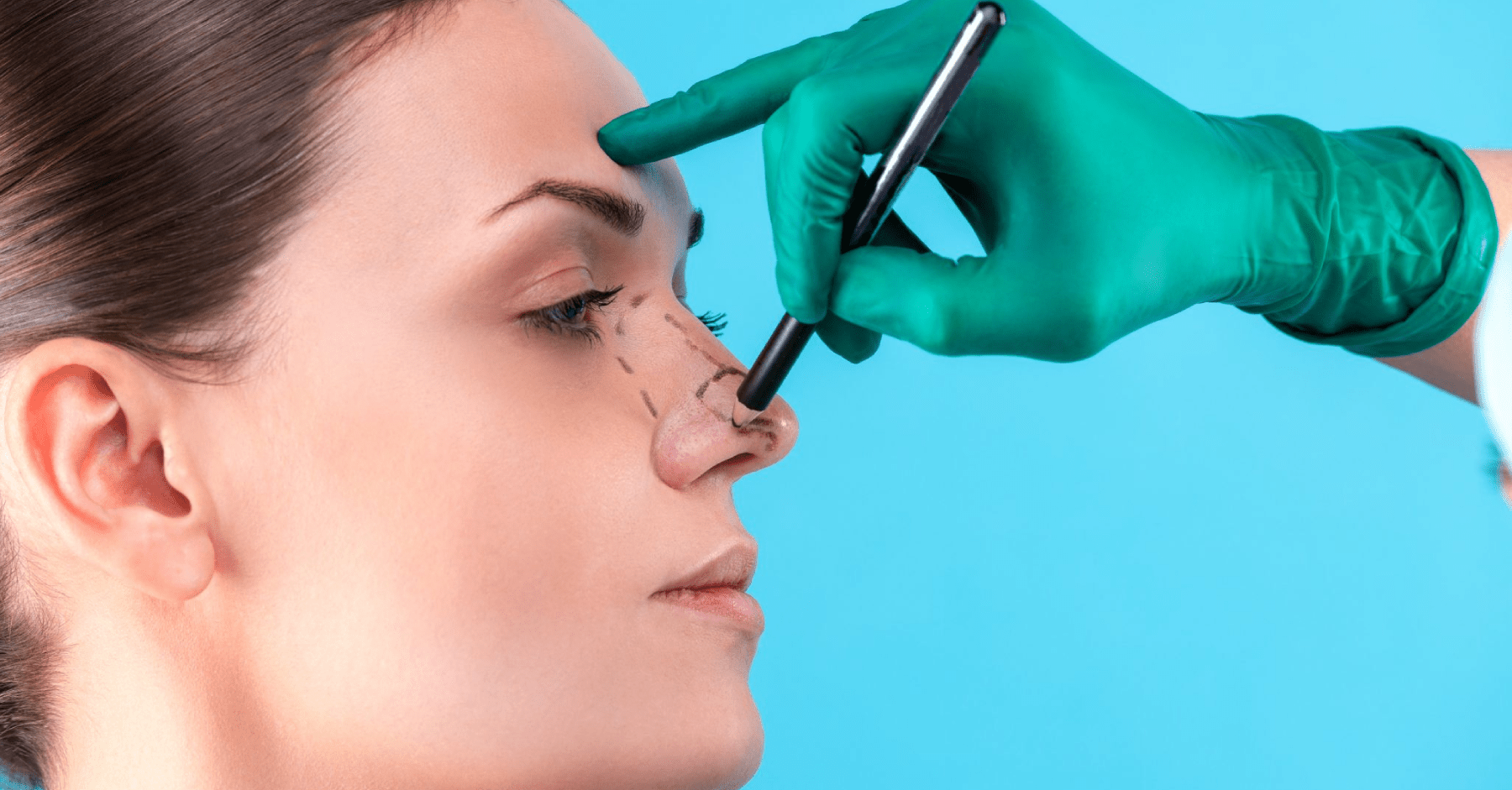
Introduction to Wide Nose Rhinoplasty Procedures
Wide nose rhinoplasty, often referred to as wide nose aesthetics or wide nose reduction, is a cosmetic surgical procedure aimed at enhancing the appearance of a broad or wide nose. This specialized rhinoplasty technique is designed to address the concerns of individuals who seek to achieve a more proportionate and balanced facial profile. During the procedure, a skilled plastic surgeon makes precise incisions either inside the nostrils (closed rhinoplasty) or across the columella (open rhinoplasty) to access the nasal structure.
The surgeon then employs a variety of techniques to reshape the nasal bones and cartilage, ultimately narrowing the width of the nose. These techniques may include osteotomies, which involve breaking and repositioning the nasal bones, as well as cartilage grafting to refine the nasal shape. The goal is to create a more harmonious and aesthetically pleasing nasal appearance that complements the patient’s unique facial features. Following wide nose rhinoplasty, patients can expect a period of recovery, during which swelling and bruising are common but typically diminish over several weeks. The final results of the procedure may take some time to fully manifest as the nasal tissues settle into their new configuration, ultimately helping individuals achieve the desired facial symmetry and confidence in their appearance.
The initial consultation for wide nose rhinoplasty is a crucial step in the process of assessing and planning the procedure. During this consultation, you will meet with a qualified plastic surgeon who will carefully evaluate your nasal structure and discuss your aesthetic goals. The surgeon will take into account the unique characteristics of your nose, such as its width, shape, and overall proportions in relation to your facial features.
In this consultation, you’ll have the opportunity to share your concerns and expectations regarding the appearance of your nose. It’s important to have a candid and open discussion with your surgeon about what you hope to achieve through wide nose rhinoplasty. The surgeon will also consider your medical history and any previous nasal surgeries or trauma that may impact the procedure.
Through this comprehensive evaluation and discussion, the surgeon will develop a personalized treatment plan tailored to your specific needs and goals. This plan will outline the surgical techniques and approaches that will be used to achieve a narrower and more aesthetically pleasing nasal appearance. Additionally, the surgeon will explain the expected recovery process and potential risks associated with the procedure. The initial consultation is a vital step in ensuring that wide nose rhinoplasty is the right choice for you and that your expectations align with what can realistically be achieved through the surgery.
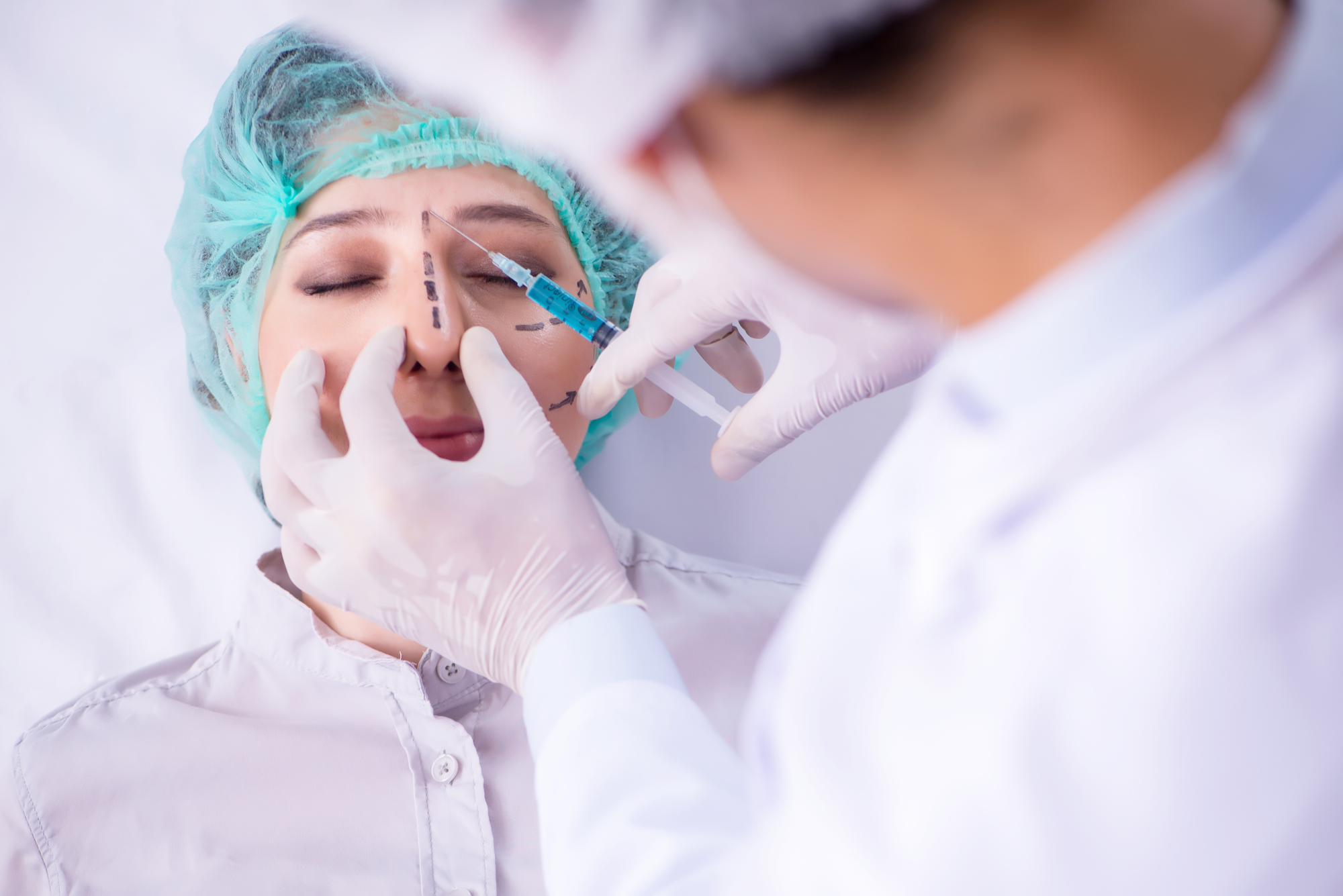
Surgical Techniques Used in Wide Nose Rhinoplasty
Wide nose rhinoplasty employs various surgical techniques to address and modify the nasal structure, ultimately achieving a narrower and more balanced nasal appearance. These techniques are tailored to each patient’s unique needs and facial proportions. One common approach is the use of osteotomies, which involves carefully breaking and repositioning the nasal bones. This technique can effectively reduce the width of the upper part of the nose, creating a more refined profile.
Cartilage grafting is another essential technique in wide nose rhinoplasty. Surgeons may use cartilage grafts from the patient’s own nasal septum, ear, or rib to add support, shape, or volume to the nasal structure. By strategically placing these grafts, the surgeon can help achieve the desired aesthetic outcome and improve the overall symmetry of the nose.
Additionally, the surgeon may employ tip refinement techniques to reshape and narrow the nasal tip. This can involve trimming and reshaping the lower cartilage, as well as suturing techniques to refine the tip’s appearance. The choice of specific techniques will depend on the patient’s individual anatomy and desired results.
Wide nose rhinoplasty is a highly personalized procedure, and the surgeon’s expertise plays a significant role in selecting and executing the most suitable techniques for each patient. The goal is to create a harmonious and natural-looking result that enhances the patient’s facial features while addressing their concerns about nasal width.
Nose reshaping surgery, or rhinoplasty, offers several anesthesia options to ensure patient comfort during the procedure. The choice of anesthesia depends on various factors, including the complexity of the surgery and the patient’s preferences. There are three primary anesthesia options for nose reshaping surgery: local anesthesia with sedation, intravenous (IV) sedation, and general anesthesia.
Local anesthesia with sedation is commonly used for less complex rhinoplasty procedures. With this option, the surgeon administers a local anesthetic to numb the nasal area, and the patient is also given intravenous sedation to induce a state of relaxation and drowsiness. While the patient remains conscious, they are generally unaware of the surgical process and experience minimal discomfort.
Intravenous (IV) sedation, also known as twilight anesthesia, involves administering sedative medications through an IV line. This type of anesthesia provides a deeper level of sedation than local anesthesia with sedation. Patients are in a semi-conscious state and may have limited awareness of the procedure while feeling comfortable and relaxed.
For more extensive or complex nose reshaping surgeries, general anesthesia may be preferred. General anesthesia renders the patient completely unconscious and unable to feel any pain or discomfort during the procedure. This option is typically reserved for cases that require a significant amount of work on the nasal structure.
The choice of anesthesia is made after careful consideration of the patient’s medical history, the surgeon’s recommendation, and the specific requirements of the rhinoplasty procedure. Patients should discuss their anesthesia preferences and any concerns with their surgeon during the consultation to ensure a safe and comfortable surgical experience.
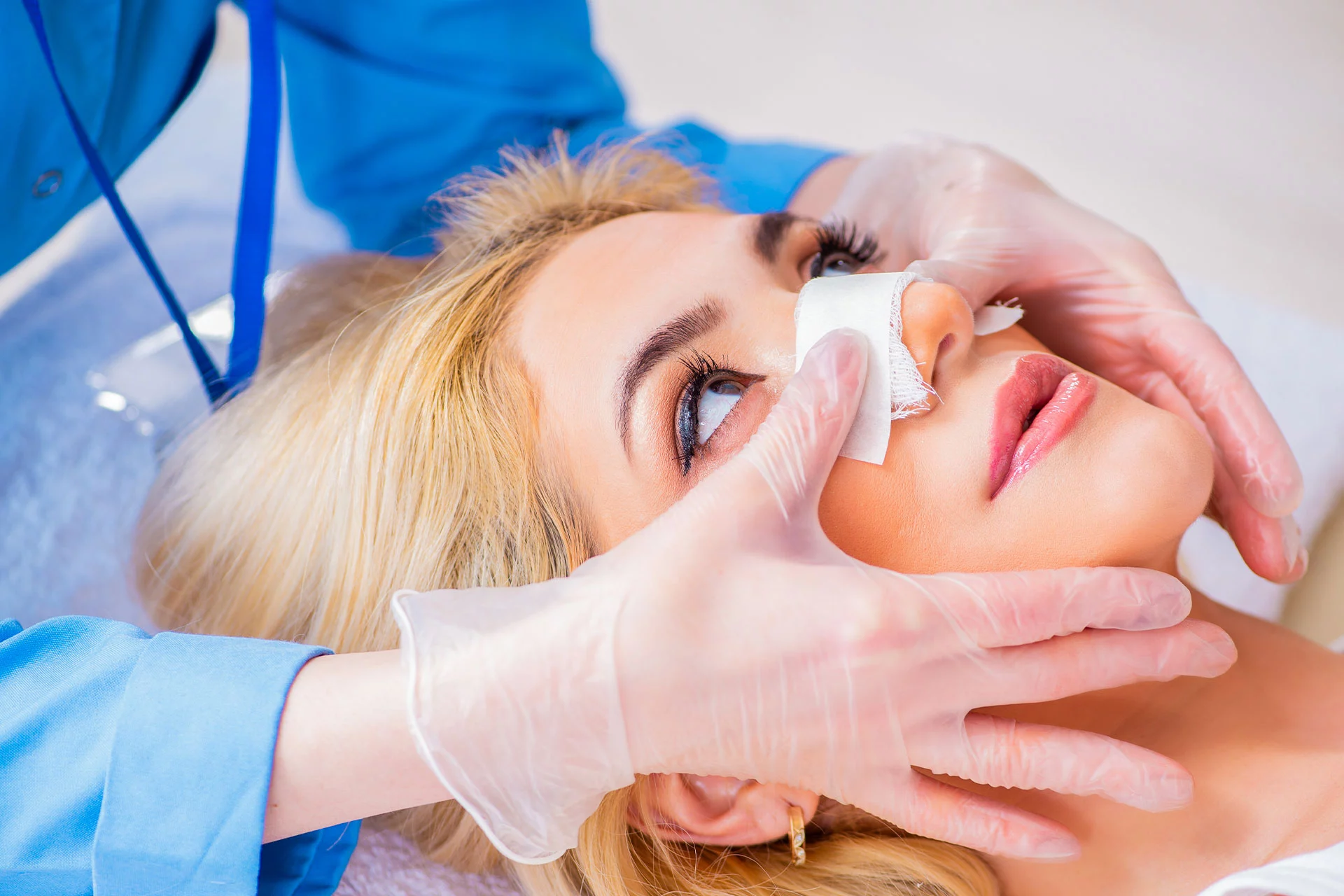
The Role of Cartilage Shaping in Nose Aesthetics
Cartilage shaping plays a pivotal role in achieving desirable nose aesthetics through rhinoplasty. The nasal structure is primarily composed of bone and cartilage, and reshaping or modifying the cartilage is often a key aspect of the surgical process. Surgeons employ various techniques to refine and sculpt the nasal cartilage to achieve the desired shape and proportions while maintaining the functionality of the nose.
One of the common applications of cartilage shaping in nose aesthetics is tip refinement. By carefully trimming and sculpting the lower cartilage of the nasal tip, surgeons can create a more defined and balanced tip appearance. This process allows for a reduction in bulbosity and refinement of the nasal tip’s contour, resulting in a more aesthetically pleasing outcome.
Additionally, cartilage grafting is frequently utilized in rhinoplasty to address a wide range of concerns. Surgeons can harvest cartilage from the patient’s own nasal septum, ear, or rib to augment, support, or reshape various parts of the nose. These grafts are strategically placed to improve symmetry, projection, and overall nasal aesthetics. Whether it involves adding structural support to the bridge or enhancing the profile, cartilage shaping techniques play a crucial role in achieving natural and harmonious results in nose aesthetics.
Cartilage shaping is a fundamental element of nose aesthetics in rhinoplasty procedures. Surgeons use their expertise to manipulate and sculpt nasal cartilage, resulting in improved form, function, and overall facial balance. By carefully considering each patient’s unique anatomical characteristics and aesthetic goals, cartilage shaping contributes to achieving the desired nasal aesthetics while preserving the functionality of the nose.
The recovery process following wide nose surgery, also known as wide nose rhinoplasty, is a crucial phase in the overall treatment journey. After the procedure, patients can expect a period of healing and adjustment as their nasal tissues settle into their new configuration.
In the initial days and weeks post-surgery, swelling and bruising around the nasal area are common. These side effects are typically managed with prescribed pain medications and cold compresses. Patients are advised to keep their head elevated and avoid any activities that could put pressure on the nose during the early stages of recovery.
The full recovery period can vary from person to person, but it generally takes several weeks to months for the swelling to completely subside and for the final results of the wide nose surgery to become fully apparent. During this time, patients should follow their surgeon’s post-operative instructions carefully, which may include dietary restrictions, avoiding strenuous physical activity, and wearing a protective splint or cast. It’s essential for patients to attend follow-up appointments with their surgeon to monitor progress and address any concerns. Ultimately, the recovery process is a crucial part of achieving the desired aesthetic outcome and long-term satisfaction with the results of wide nose surgery.
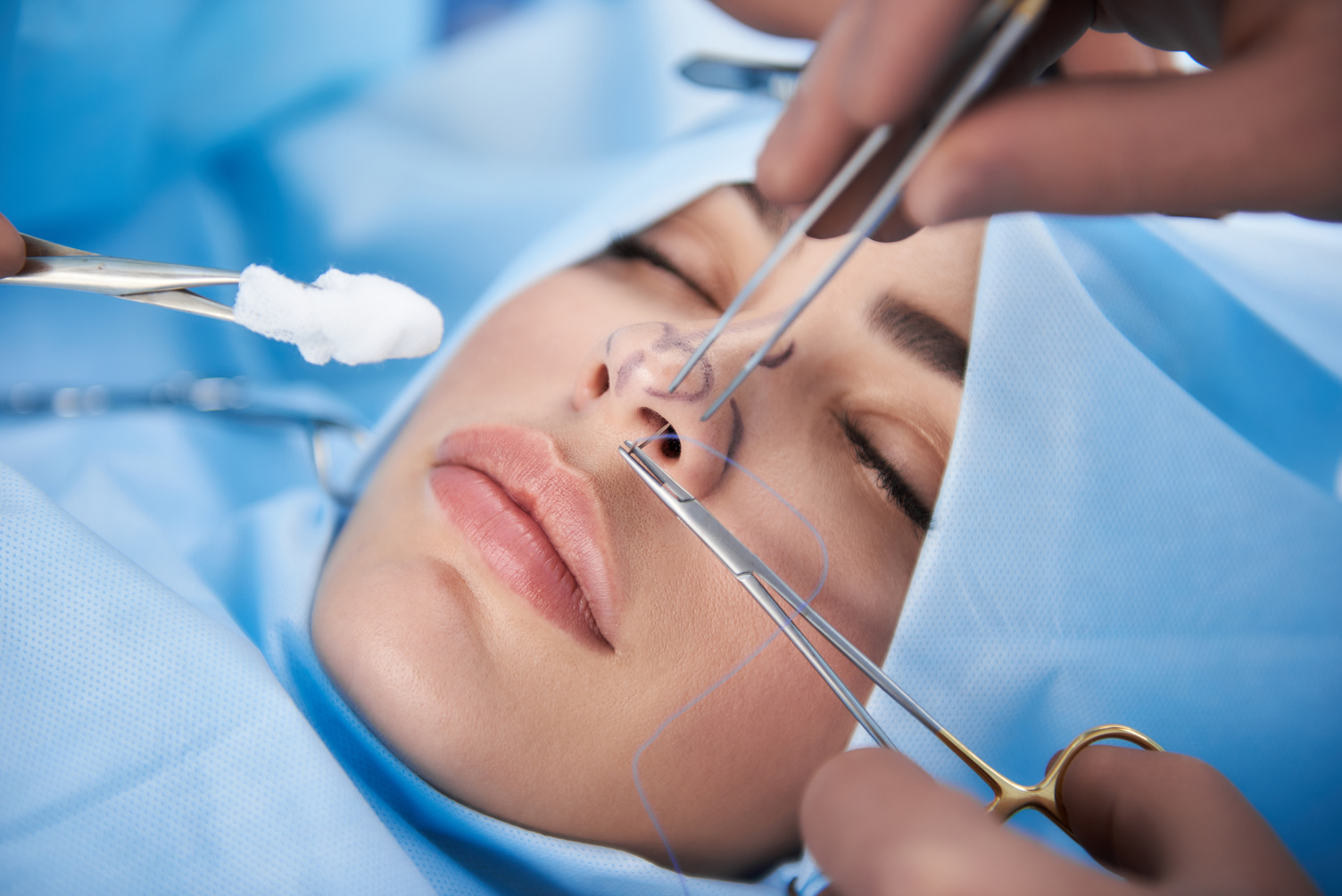
Potential Risks and Complications of Nose Reshaping
Nose reshaping surgery, or rhinoplasty, is a commonly performed cosmetic procedure with a high rate of patient satisfaction. However, like any surgical intervention, it is not without potential risks and complications. It’s essential for individuals considering rhinoplasty to be aware of these factors and discuss them thoroughly with their surgeon during the consultation.
One of the most common risks associated with rhinoplasty is bleeding, which can occur during or after the procedure. While excessive bleeding is rare, it may necessitate additional surgical intervention to address the issue. Infections are another potential risk, although they are relatively uncommon due to strict sterile surgical techniques.
Swelling and bruising are expected side effects following rhinoplasty, but they usually resolve over time. However, in some cases, individuals may experience prolonged or excessive swelling. Asymmetry or irregularities in the final nasal shape can also occur, which may require revision surgery. Additionally, patients may encounter issues with breathing, especially if the surgery involved functional corrections, such as addressing a deviated septum.
To minimize these risks, it’s crucial for patients to choose a board-certified plastic surgeon with extensive experience in rhinoplasty procedures. Following the surgeon’s pre-operative and post-operative instructions diligently, maintaining open communication throughout the process, and attending all follow-up appointments are essential steps to ensure a safe and successful nose reshaping surgery. While risks exist, the majority of rhinoplasty procedures yield excellent results, and most patients achieve their desired aesthetic outcomes with careful planning and expert surgical execution.
Post-operative care and follow-up visits are integral components of the recovery process after any surgical procedure, including nose reshaping surgery or rhinoplasty. These steps are essential to monitor the healing progress, address any concerns, and ensure the best possible outcome for the patient.
Following rhinoplasty, patients should adhere closely to the surgeon’s post-operative instructions. These instructions typically include recommendations for rest, proper wound care, and the use of prescribed medications, such as pain relievers and antibiotics. It’s crucial to keep the head elevated to minimize swelling and avoid activities that could put pressure on the nose during the initial stages of recovery.
Regular follow-up visits with the surgeon are scheduled to assess the healing process. During these appointments, the surgeon will examine the nasal area, remove any sutures or splints, and discuss the progress of recovery. Patients are encouraged to communicate any concerns or unusual symptoms, such as excessive pain, bleeding, or unexpected changes in the nasal appearance. The surgeon will provide guidance on when it’s safe to resume normal activities, such as exercise, and when it’s appropriate to wear glasses or apply makeup.
The frequency of follow-up visits may vary based on the individual’s progress, but they typically occur in the weeks and months following the surgery. These visits are crucial for ensuring that the nose reshaping surgery is proceeding as expected and that any issues can be promptly addressed to achieve the desired aesthetic results and overall patient satisfaction.
Understanding the Timeline for Visible Results
Understanding the timeline for visible results after a cosmetic procedure like nose reshaping surgery, or rhinoplasty, is important for patients to have realistic expectations and patience during their recovery journey. The process of seeing the final outcome involves several stages, and individual experiences may vary.
Immediately after rhinoplasty, patients can expect to see initial results, but these are often obscured by swelling and bruising, which are common post-operative side effects. Over the first few weeks, the swelling gradually begins to subside, allowing some of the changes to become more apparent. However, it’s essential to remember that complete resolution of swelling may take several months, and the nose will continue to refine in shape and appearance during this time.
Around the three to six-month mark, most patients start to notice significant improvements in the appearance of their nose. By this stage, the majority of the swelling has dissipated, and the nasal tissues have settled into their new position. However, it’s crucial to note that the final results of rhinoplasty may take up to a year or even longer to fully manifest, as the healing process continues. During this time, patients should be patient and adhere to their surgeon’s post-operative care instructions, attend follow-up appointments, and communicate any concerns or questions to ensure a successful and satisfying outcome
Patient satisfaction and managing expectations are crucial aspects of nose aesthetics, particularly in procedures like rhinoplasty. It’s essential for both patients and surgeons to have a clear understanding of what can be achieved through the surgery and to set realistic goals.
Communication between the patient and the surgeon is paramount. During the initial consultation, patients should express their aesthetic concerns and desires openly, while surgeons should provide a comprehensive assessment of what is achievable based on the patient’s nasal anatomy and facial features. It’s vital to align expectations with the potential outcomes, as complete transformation may not be possible or advisable in some cases.
Patient satisfaction in nose aesthetics goes beyond the physical results. It encompasses factors such as post-operative recovery experiences, emotional well-being, and the fulfillment of the patient’s goals. Surgeons should educate patients about the potential risks and complications, as well as the expected timeline for results to become fully apparent. By maintaining open and honest communication, setting realistic expectations, and providing high-quality care, surgeons can contribute to greater patient satisfaction and successful outcomes in nose aesthetics.
