
A tummy tuck belly button, also known as an umbilicoplasty, is a surgical procedure designed to improve the appearance of the navel after undergoing a tummy tuck or abdominoplasty. During a traditional tummy tuck, excess skin and fat are removed from the abdominal area, and the abdominal muscles may be tightened to create a flatter and firmer stomach. In the process, the position and appearance of the belly button can be altered. To address this, a tummy tuck belly button procedure focuses solely on reshaping and repositioning the navel, ensuring that it looks natural and aesthetically pleasing in relation to the new contours of the abdomen. This additional step can help enhance the overall outcome of a tummy tuck surgery, resulting in a more harmonious and attractive abdominal appearance for the patient.

Understanding the Concept of Tummy Tuck Belly Button
The concept of a tummy tuck belly button, also referred to as an umbilicoplasty, revolves around refining the appearance of the navel following a tummy tuck surgery. In a traditional tummy tuck or abdominoplasty, excess abdominal skin and fat are removed, and abdominal muscles may be tightened to create a flatter and more toned stomach. However, this process often involves repositioning the belly button to suit the newly contoured abdomen. The tummy tuck belly button procedure, therefore, exclusively focuses on reshaping and relocating the navel to ensure that it aligns naturally with the revised abdominal contours. This additional step is crucial for achieving a balanced and aesthetically pleasing abdominal appearance, enhancing the overall outcome of the tummy tuck surgery and delivering a more attractive result for the patient.
The surgical process of creating a new belly button, known as umbilicoplasty, is typically performed as part of a tummy tuck or abdominoplasty procedure. During this surgical intervention, the surgeon carefully reshapes and repositions the patient’s navel to harmonize with the newly contoured abdominal area. To begin, the surgeon makes an incision around the existing belly button, preserving its blood supply. Next, excess skin and fat are removed from the abdominal region, creating a flatter and more toned appearance. The surgeon then meticulously sculpts and reshapes the navel, ensuring that it looks natural and aesthetically pleasing in relation to the patient’s new abdominal contours. The result is a rejuvenated and balanced appearance, with a new belly button that complements the overall outcome of the tummy tuck surgery, providing the patient with a more attractive abdominal appearance.

Aesthetic Goals of Belly Button Reconstruction
The aesthetic goals of belly button reconstruction, often performed as part of a tummy tuck or abdominoplasty procedure, revolve around enhancing the overall appearance of the navel area. The primary objective is to create a natural and visually pleasing belly button that harmonizes with the newly contoured abdomen. This involves reshaping and repositioning the navel to ensure that it looks proportional and symmetrical in relation to the rest of the patient’s body.
Additionally, belly button reconstruction aims to address any pre-existing concerns, such as stretched or unsightly navels resulting from pregnancy, weight fluctuations, or previous surgeries. Surgeons focus on achieving a balanced and aesthetically pleasing outcome, taking into account factors like the size, shape, and position of the navel. By meticulously sculpting the belly button during this procedure, patients can achieve a rejuvenated and attractive abdominal appearance, ultimately boosting their confidence and satisfaction with their overall body image.
Before undergoing belly button design surgery, there are several important pre-surgery considerations to take into account. Firstly, patients should consult with a board-certified plastic surgeon experienced in umbilicoplasty or tummy tuck procedures. During the consultation, they should openly discuss their aesthetic goals and expectations to ensure a clear understanding of the desired outcome.
Secondly, the surgeon will assess the patient’s overall health and medical history to determine if they are a suitable candidate for the procedure. It’s crucial for patients to disclose any pre-existing medical conditions, allergies, or medications they are currently taking.
Lastly, patients should have realistic expectations regarding the results of the surgery. While belly button design can significantly enhance the appearance of the navel area, it’s important to understand that individual outcomes may vary, and the final result will depend on factors like skin elasticity and body shape. By addressing these considerations before the surgery, patients can make informed decisions and increase the likelihood of a successful and satisfying outcome.
Techniques Used in Belly Button Tummy Tuck
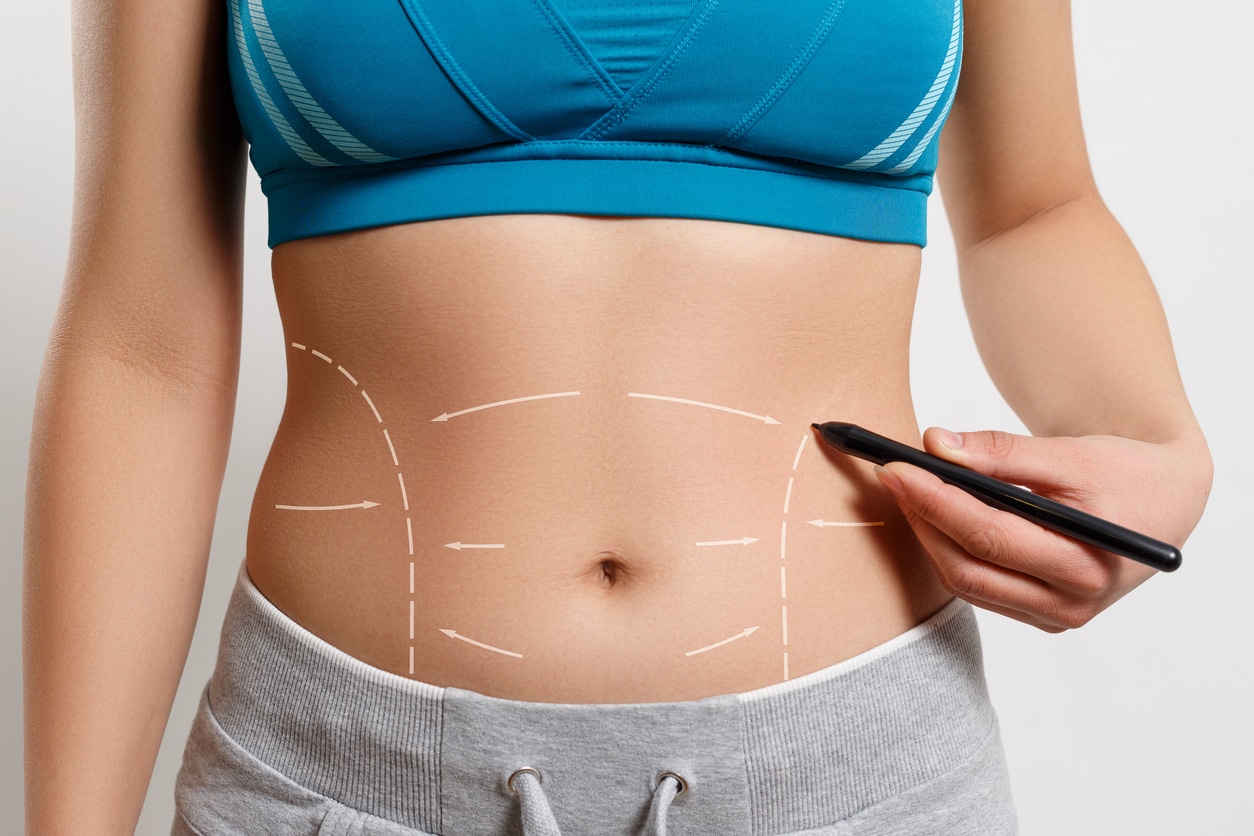
Various techniques are employed in belly button tummy tuck procedures, with the primary goal of creating a more aesthetically pleasing and natural-looking navel. One commonly used technique involves preserving the blood supply and original appearance of the belly button while reshaping the surrounding abdominal area. During this process, excess skin and fat are removed, and the abdominal muscles may be tightened to achieve a flatter and more toned abdomen.
Another technique involves creating a new belly button altogether, particularly in cases where the original navel has been significantly affected by pregnancy, weight fluctuations, or previous surgeries. In this approach, the surgeon skillfully sculpts a new navel, ensuring it aligns proportionally with the patient’s abdominal contours.
Regardless of the technique used, the surgeon’s expertise plays a crucial role in achieving the desired outcome. They carefully consider factors such as the patient’s body shape, skin elasticity, and aesthetic preferences to create a well-balanced and attractive appearance. These techniques help patients attain improved abdominal contours and a more harmonious belly button, ultimately enhancing their overall body image and confidence.
The healing and recovery process following a belly button tummy tuck, also known as umbilicoplasty, is a crucial aspect of the overall surgical experience. After the procedure, patients can expect some initial discomfort, swelling, and bruising in the abdominal area. Pain medication prescribed by the surgeon can help manage any post-operative pain. Patients are typically advised to wear a supportive compression garment to reduce swelling and promote proper healing.
During the initial weeks after surgery, it’s essential to follow the surgeon’s post-operative care instructions diligently. This includes maintaining good hygiene around the surgical site and avoiding strenuous activities and heavy lifting for a specified period. Patients should gradually reintroduce physical activity under the guidance of their surgeon to prevent complications.
Full recovery from a belly button tummy tuck can take several weeks to months, during which the body’s healing process continues. The final results may not be fully apparent until the swelling subsides, and the surgical site completely heals. By adhering to the surgeon’s recommendations and allowing sufficient time for recovery, patients can optimize their chances of achieving the desired outcome and enjoying a more aesthetically pleasing and natural-looking belly button.

Risks and Complications Specific to Belly Button Surgery
Belly button surgery, or umbilicoplasty, like any surgical procedure, carries certain risks and potential complications. It’s essential for individuals considering this surgery to be aware of these factors before making a decision.
One common risk is infection, which can occur at the surgical site. Surgeons take precautions to minimize infection risks, but it remains a possibility. Patients must follow post-operative care instructions diligently to reduce this risk.
Another potential complication is scarring. While surgeons aim to create minimal and inconspicuous scars during belly button surgery, individual healing responses may vary, leading to visible or raised scars in some cases.
Furthermore, there’s a risk of changes in sensation around the surgical area, including numbness or hypersensitivity, which can be temporary or permanent.
Serious complications, though rare, can include issues like hematoma (collection of blood under the skin) or seroma (accumulation of fluid). It’s crucial for patients to choose a qualified and experienced surgeon, follow pre- and post-operative guidelines, and have realistic expectations to mitigate these risks. A thorough consultation with the surgeon can help individuals understand the potential complications specific to their case and make an informed decision about undergoing belly button surgery.
The positioning of the belly button plays a crucial role in the overall appearance of the abdomen. It serves as a focal point in the midsection and contributes significantly to the aesthetics of the abdominal area. An ideally positioned belly button is not only essential for a symmetrical and balanced look but also for achieving a natural and harmonious abdominal contour.
In aesthetic terms, the belly button should be centered vertically and horizontally, aligning with the midline of the body and dividing the abdomen evenly into upper and lower sections. When the belly button is appropriately positioned, it enhances the visual appeal of the entire abdominal region, making it look proportionate and well-defined. Conversely, an improperly positioned or distorted belly button can detract from the overall appearance, drawing attention to irregularities or asymmetries in the abdomen.
For individuals considering cosmetic procedures such as a tummy tuck or umbilicoplasty, achieving the desired belly button positioning is a critical aspect of the surgery. Surgeons meticulously assess the patient’s anatomy and aesthetic goals to ensure that the new or reshaped belly button aligns harmoniously with the rest of the abdominal contours, ultimately enhancing the overall appearance of the midsection and contributing to a more pleasing and balanced figure.

Patient Satisfaction and Expectations from Belly Button Tummy Tuck
Patient satisfaction and expectations are paramount considerations in the context of a belly button tummy tuck, or umbilicoplasty. Patients who undergo this procedure typically have specific aesthetic goals and desires related to the appearance of their navel and overall abdominal region. Clear communication with their surgeon is essential to ensure that these expectations are understood and addressed appropriately.
The primary objective for most patients is to achieve a more aesthetically pleasing and natural-looking belly button that complements their abdominal contours. They often seek to correct issues such as stretched or distorted navels resulting from pregnancy, weight fluctuations, or previous surgeries. It is crucial for patients to have realistic expectations regarding the outcomes, as individual results may vary based on factors such as skin elasticity and body shape.
Patient satisfaction is closely linked to how well their expectations are met. Surgeons play a vital role in assessing each patient’s unique anatomy and aesthetic preferences, tailoring the procedure to achieve the desired outcome. By establishing a clear understanding of patient expectations and delivering results that align with those expectations, surgeons can help enhance patient satisfaction, ultimately boosting their confidence and overall contentment with their appearance. Open and honest communication between patients and surgeons is key to ensuring a successful and satisfying belly button tummy tuck experience.
Long-term care and maintenance of the new belly button following a belly button tummy tuck or umbilicoplasty are essential for preserving the results and ensuring the continued aesthetic appeal of the abdominal area. Patients should be proactive in caring for their rejuvenated navel to promote lasting satisfaction.
One of the key aspects of long-term maintenance involves proper wound care during the initial healing phase. Patients should follow their surgeon’s post-operative instructions diligently, which may include keeping the surgical site clean and dry, applying recommended topical treatments, and monitoring for any signs of infection or complications. Compliance with these guidelines can significantly contribute to the overall success of the procedure.
Additionally, maintaining a stable weight through a balanced diet and regular exercise is crucial for preserving the results of the surgery. Significant weight fluctuations can affect the appearance of the abdomen, including the belly button. Patients are encouraged to adopt a healthy lifestyle to prevent undue stress on the abdominal area and to ensure the long-term success of the procedure.
Finally, staying vigilant about sun protection is vital. Prolonged sun exposure can lead to pigmentation changes and visible scarring around the navel area. Patients should use sunscreen or protective clothing when exposed to sunlight, especially during the healing phase and in the months following the surgery.
In summary, long-term care and maintenance of the new belly button entail adhering to post-operative instructions, maintaining a stable weight, adopting a healthy lifestyle, and protecting the surgical site from harmful UV radiation. These measures contribute to the longevity of the aesthetic improvements achieved through a belly button tummy tuck, ultimately ensuring patient satisfaction over time.
