
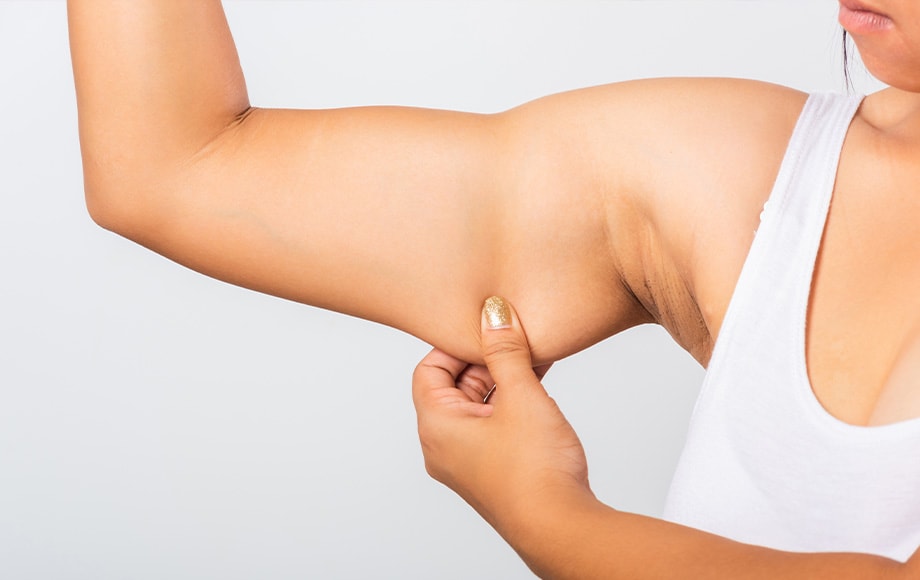
Arm liposuction is a cosmetic surgical procedure aimed at reducing excess fat from the arms, particularly in areas that are resistant to diet and exercise. This procedure is often sought by individuals who are unhappy with the appearance of their arms, especially if they find that they have stubborn fat deposits that do not respond well to traditional weight loss methods. The goal of arm liposuction is not just to remove fat, but also to sculpt the arms in a way that is more aesthetically pleasing and proportionate to the rest of the body.
The process of arm liposuction involves the use of a cannula, a thin tube, which is inserted through small incisions made in the skin. The surgeon uses this cannula to dislodge and suction out the fat from the targeted areas. One of the key benefits of this procedure is its ability to precisely target specific areas of fat accumulation, allowing for a more contoured and defined arm shape. Modern techniques in liposuction, such as tumescent liposuction or laser-assisted liposuction, have made the procedure safer, more effective, and with a quicker recovery time compared to traditional methods.
However, it’s important to have realistic expectations and understand that liposuction is not a weight-loss solution. Ideal candidates for arm liposuction are those who are close to their ideal body weight but have localized fat deposits in their arms that they wish to eliminate. The success of the procedure also depends on factors like skin elasticity, as the skin needs to be able to conform to the arm’s new shape post-surgery. Post-operative care is crucial for optimal results, including wearing compression garments and following a healthy lifestyle to maintain the results. As with any surgical procedure, there are risks involved, and it’s essential to consult with a qualified plastic surgeon to determine if arm liposuction is the right choice for an individual’s specific needs and goals.
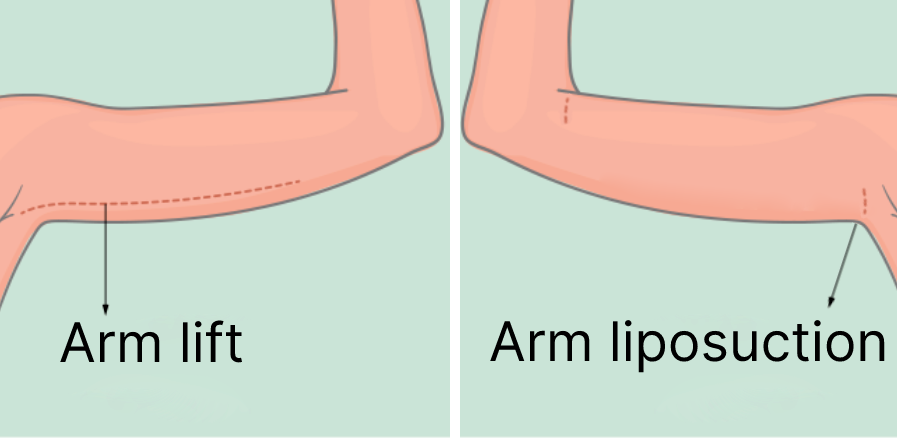
What Is Arm Liposuction and Who Needs It?
Arm liposuction is a cosmetic surgical procedure designed to remove excess fat from the upper arms, particularly targeting areas that are difficult to tone through diet and exercise alone. This procedure is popular among those who are looking to achieve a more sculpted and aesthetically pleasing arm contour. During the procedure, a surgeon uses specialized instruments to break down and suction out fat cells from the arms, resulting in a slimmer and more defined appearance. Modern techniques in liposuction, such as tumescent or laser-assisted methods, have enhanced the safety and effectiveness of the procedure, offering more precise fat removal and reduced recovery time.
The ideal candidates for arm liposuction are individuals who have localized fat deposits in their arms that do not respond well to traditional weight loss methods. These candidates are typically close to their ideal body weight but struggle with specific areas of fat that create a disproportionate appearance. It’s crucial to note that arm liposuction is not a weight loss treatment, but rather a body contouring procedure. Therefore, it’s most suitable for those who have stable body weights and are seeking to refine and reshape their arm contours.
While arm liposuction can provide significant cosmetic benefits, it’s essential for candidates to have realistic expectations and understand the limits of the procedure. Factors like skin elasticity play a vital role in the outcome, as the skin needs to adapt to the arms’ new shape. A thorough consultation with a qualified plastic surgeon is necessary to evaluate whether arm liposuction is the appropriate solution for an individual’s specific goals and physical condition. The surgeon can also provide guidance on post-operative care and lifestyle adjustments needed to maintain the results of the surgery. As with any surgical procedure, it’s important to consider the potential risks and benefits before deciding to proceed with arm liposuction.
Arm liposuction offers several benefits, primarily revolving around aesthetic enhancement and psychological well-being. For many, the upper arms are a common area of concern due to stubborn fat deposits that are resistant to diet and exercise. Arm liposuction effectively addresses this issue by removing these fat cells, resulting in a more toned and contoured appearance of the arms. This procedure can significantly improve the overall proportion and balance of the body, particularly for those who feel self-conscious about the size or shape of their arms in relation to their overall physique.
One of the key advantages of arm liposuction is its ability to provide immediate and noticeable results. Unlike weight loss through diet and exercise, which can be a gradual process with variable results in specific areas, liposuction offers a targeted approach to reshaping the arms. This precision in fat removal allows for a sculpted look that can enhance the entire silhouette. Furthermore, the removal of these fat cells is permanent, meaning the results can be long-lasting, provided the patient maintains a stable weight and healthy lifestyle.
Psychologically, the impact of arm liposuction can be profound. It can boost self-esteem and confidence, especially in individuals who have long been troubled by the appearance of their arms. This newfound confidence often translates into a greater willingness to wear different styles of clothing, like short sleeves or sleeveless tops, which they might have avoided before. However, it’s important to approach arm liposuction with realistic expectations and understand that it is a complement to a healthy lifestyle, not a substitute. Proper consultation with a qualified surgeon is crucial to discuss the potential benefits, the procedure’s limitations, and the risks involved to make an informed decision.
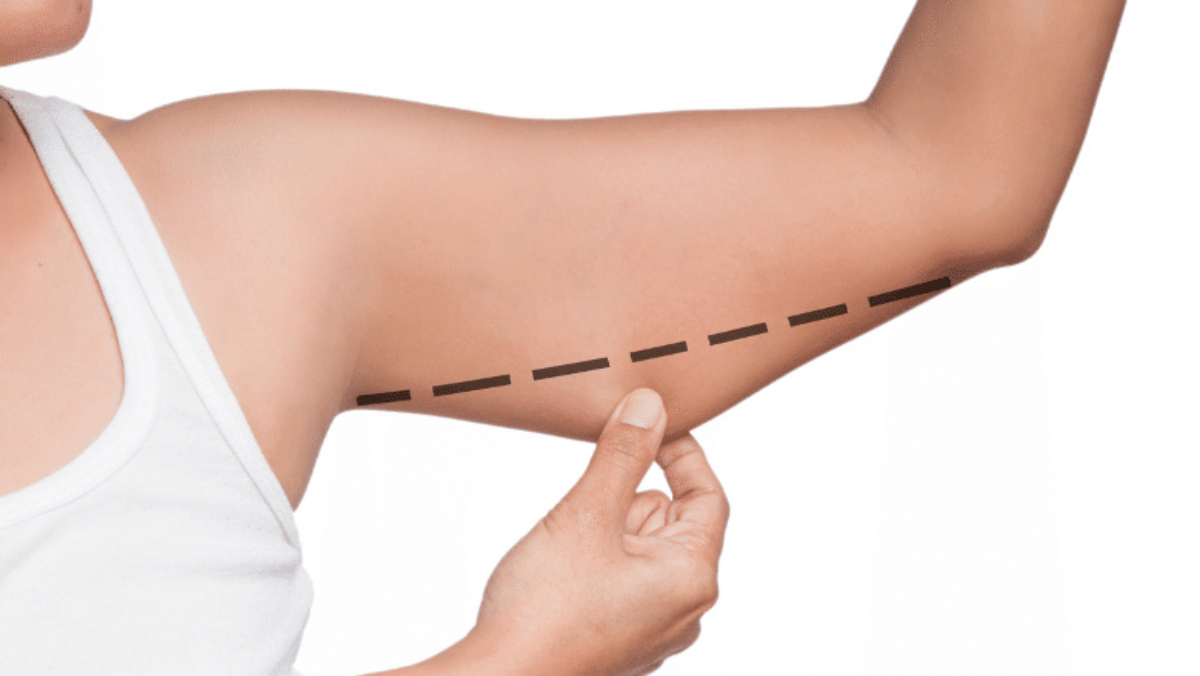
How Arm Liposuction Is Performed: The Procedure Explained
Arm liposuction is a surgical procedure that entails the removal of excess fat from the upper arms to achieve a more toned and sculpted appearance. The process begins with a consultation, where a plastic surgeon evaluates the patient’s arms, discusses their aesthetic goals, and determines if they are a suitable candidate for liposuction. This evaluation includes assessing the patient’s overall health, skin quality, and the amount of fat to be removed.
On the day of the procedure, the patient is typically given local or general anesthesia, depending on the extent of the liposuction and the surgeon’s preference. The surgeon then makes small incisions in discreet areas of the arm, often near the elbow or under the arm, to minimize visible scarring. Through these incisions, a thin tube called a cannula is inserted. The cannula is used to break up the fat cells and suction them out. The technique used for this process can vary; some surgeons might use traditional suction-assisted liposuction, while others may opt for advanced methods like tumescent liposuction, which involves injecting a solution to facilitate fat removal, or laser-assisted techniques that use laser energy to break down fat cells.
Once the desired amount of fat has been removed, the surgeon closes the incisions, often with small stitches. The patient is then fitted with a compression garment, which helps to reduce swelling and supports the healing process. Recovery from arm liposuction can vary depending on the individual and the extent of the procedure. Patients typically experience some bruising and swelling, and may need to take a few days off work to recover. The full results of the liposuction will become more apparent as the swelling subsides over the following weeks and months. It’s important for patients to follow their surgeon’s post-operative instructions, including care for the incision sites and when to resume physical activities, to ensure a smooth recovery and optimal results.
Arm liposuction, a cosmetic procedure for sculpting the arms by removing excess fat, employs various types and techniques, each with its unique approach and advantages. The choice of technique often depends on the patient’s specific needs, the amount of fat to be removed, and the surgeon’s expertise.
One common method is traditional suction-assisted liposuction (SAL), where a cannula is inserted through small incisions in the arm to physically dislodge and suction out fat. This technique is straightforward and effective, especially for larger volumes of fat. However, advancements in liposuction technology have led to more refined methods. Tumescent liposuction, for instance, involves injecting a solution containing saline, lidocaine, and epinephrine into the fatty layer before fat removal. This solution causes the fat to swell and become firmer, allowing for easier and more precise fat extraction. The added components also help in reducing blood loss and providing local anesthesia.
Other sophisticated techniques include ultrasound-assisted liposuction (UAL) and laser-assisted liposuction (LAL). UAL uses ultrasound vibrations to liquefy the fat cells, making them easier to remove. This method can be particularly beneficial for fibrous areas and for enhancing skin contraction post-surgery. LAL, on the other hand, employs laser energy to break down fat cells. The laser not only aids in the liquefaction of fat but also stimulates collagen production, which can lead to better skin tightening and smoother results. Each of these techniques has its specific advantages, and sometimes they are used in combination to achieve the best possible outcome.
The choice of liposuction technique is a critical decision that should be made by the surgeon based on an individual patient’s anatomy, the quality of their skin, and their desired results. A thorough consultation with a qualified plastic surgeon is essential to determine the most appropriate method for each patient. It’s also important for patients to understand the nuances of different liposuction techniques and to have realistic expectations about the outcomes and limitations of the procedure.
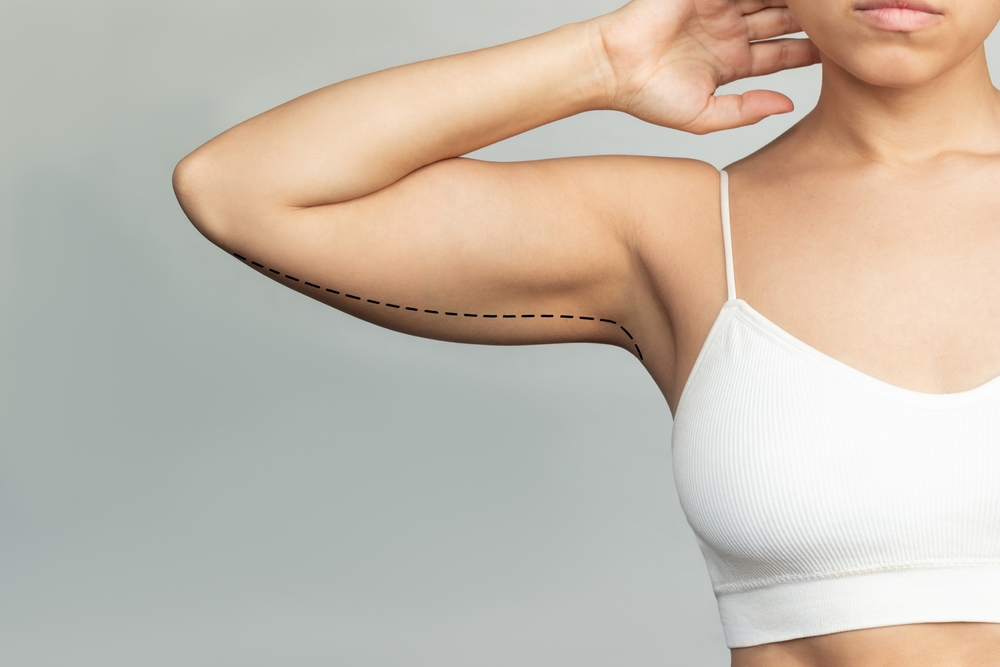
Preparing for Arm Liposuction: Steps to Take
Preparing for arm liposuction involves several steps to ensure both the safety and the effectiveness of the procedure. The journey typically begins with a comprehensive consultation with a plastic surgeon. During this consultation, the surgeon evaluates the patient’s medical history, discusses their aesthetic goals, and assesses the condition of the arms to determine if liposuction is a suitable option. It’s also an opportunity for the patient to ask questions and gain a clear understanding of what the procedure entails, including the risks and the expected recovery process.
Prior to the surgery, patients are often advised to follow specific guidelines to minimize risks and aid in a smoother recovery. This includes avoiding certain medications and supplements that can increase bleeding, such as aspirin, ibuprofen, and vitamin E, for a specified period before the surgery. Smoking cessation is also crucial, as smoking can impede healing and increase the risk of complications. Patients may be asked to undergo certain lab tests to ensure they are fit for surgery, and in some cases, they may need to adjust their current medications under the guidance of their doctor.
On a practical level, arranging for assistance post-surgery is important. Since arm liposuction is an outpatient procedure, patients will need someone to drive them home and ideally stay with them for the first 24 hours. Preparing the home for recovery, such as having a comfortable rest area and placing necessary items within easy reach, can make the post-operative period more comfortable. Additionally, patients are usually instructed to purchase special compression garments ahead of the surgery, which they will need to wear during the recovery phase to reduce swelling and support the healing tissues. Following these preparatory steps closely can significantly impact the ease of the procedure and the speed of recovery, ultimately contributing to the success of the arm liposuction.
Recovery and aftercare are crucial components following arm liposuction, playing a significant role in the overall success of the procedure. Immediately after the surgery, patients often experience swelling, bruising, and discomfort in the treated areas. These are normal post-operative symptoms and tend to diminish over time. The surgeon usually prescribes pain medication to manage discomfort and may also advise measures to minimize swelling, such as the application of cold compresses.
One of the most important aspects of aftercare is the use of compression garments. These garments are designed to apply even pressure on the arms, helping to reduce swelling and support the new contours as the body heals. Patients are typically instructed to wear these garments for several weeks post-surgery, as they are integral to achieving the best possible aesthetic result. Additionally, these garments can also aid in minimizing the risk of any potential complications, such as fluid accumulation.
Patients are usually advised to avoid strenuous activities and heavy lifting for a few weeks following the procedure to ensure proper healing. However, light activities and walking are encouraged to promote blood circulation, which is beneficial for recovery. It’s essential to follow the surgeon’s specific instructions regarding activity levels and to attend all scheduled follow-up appointments. During these appointments, the surgeon assesses the healing process and provides further guidance on care and activity.
The final results of arm liposuction may take several weeks to months to fully materialize, as the body gradually adjusts to its new shape. Patients should maintain a stable weight and healthy lifestyle to preserve the results of the liposuction. It’s also important for patients to have realistic expectations about the recovery process and to understand that patience and adherence to post-operative instructions are key to achieving the desired outcome. Regular communication with the surgeon throughout the recovery period can provide reassurance and support, ensuring any concerns are addressed promptly.
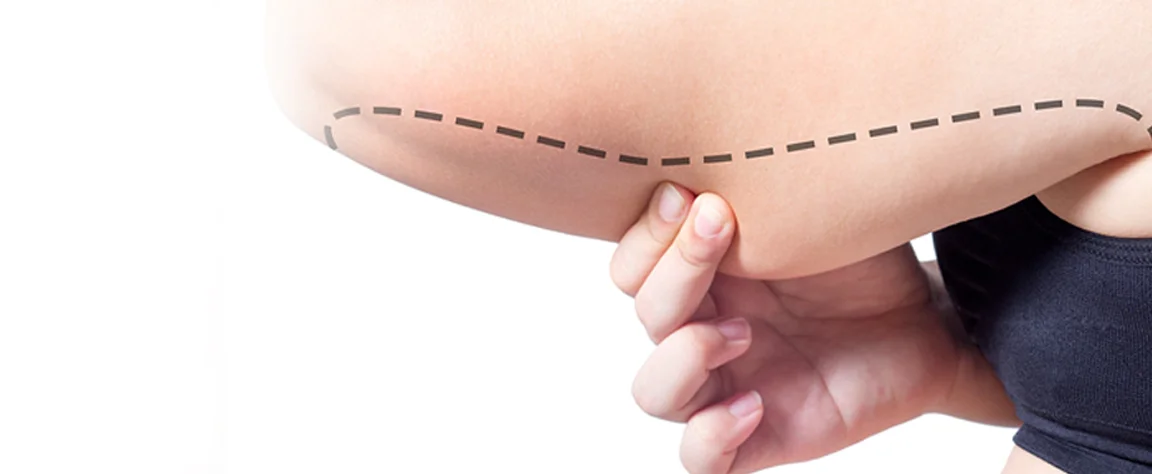
Potential Risks and Complications of Arm Liposuction
Arm liposuction, like any surgical procedure, carries potential risks and complications that patients should be aware of before undergoing the surgery. While the majority of arm liposuctions are performed without significant issues, it’s crucial to understand the possible risks and how they can be managed.
One of the primary risks associated with arm liposuction is infection. Although infections are relatively rare, they can occur if proper post-operative care isn’t followed. Patients are typically prescribed antibiotics to minimize this risk, and it’s essential to keep the surgical sites clean and follow the surgeon’s instructions diligently.
Another potential complication is hematoma or seroma formation. Hematomas are pockets of blood that can accumulate under the skin, while seromas involve the buildup of clear fluid. These fluid collections can lead to swelling, pain, and discomfort. Drainage or aspiration may be necessary to address these issues.
Skin irregularities or contour irregularities are also possible, where the skin may appear uneven or dimpled after liposuction. These irregularities can sometimes be improved with additional treatments or touch-up procedures. Skin laxity, where the skin does not contract adequately after fat removal, can also be a concern, particularly in patients with poor skin elasticity. In such cases, additional skin-tightening procedures may be necessary.
It’s important to note that complications are rare, and the vast majority of arm liposuction procedures are successful in achieving the desired results. To minimize the risks, patients should choose a qualified and experienced plastic surgeon, follow pre and post-operative instructions meticulously, and communicate any concerns promptly to their medical team. Overall, being well-informed about the potential risks and complications is an essential part of the decision-making process for arm liposuction.
Before and after arm liposuction, there can be significant differences in the appearance of the arms, leading to enhanced contours and improved proportions. Here’s what patients can expect in terms of changes:
Before Arm Liposuction:
After Arm Liposuction:
It’s important to note that the specific results of arm liposuction can vary from person to person, and the extent of improvement depends on factors like the amount of fat removed, the patient’s skin elasticity, and their overall health. Additionally, maintaining a stable weight and a healthy lifestyle post-surgery is essential for preserving the results and ensuring long-term satisfaction. Overall, arm liposuction can provide patients with a more sculpted and confident appearance, making it a popular choice for those looking to address stubborn arm fat.
How to Maintain Results Post-Arm Liposuction
Maintaining the results of arm liposuction requires ongoing commitment to a healthy lifestyle and conscientious aftercare. Here are key steps to help preserve the improved arm contours achieved through the procedure:
By combining these practices with a commitment to self-care, patients can maximize the longevity of their arm liposuction results and continue to enjoy the improved arm contours achieved through the procedure.
