
Liposuction is a popular cosmetic procedure used to remove excess fat from various areas of the body. Like any surgical procedure, liposuction can leave scars, but the extent and permanence of these scars can vary depending on several factors. In general, liposuction scars are relatively small and inconspicuous, as the procedure typically involves making tiny incisions through which a thin tube, called a cannula, is inserted to remove the fat. These small incisions are usually placed in inconspicuous areas, such as natural skin creases or areas covered by clothing, to minimize their visibility.
The appearance and permanence of liposuction scars can be influenced by factors like the patient’s skin type, the skill of the surgeon, and the post-operative care and healing process. For most patients, liposuction scars tend to fade and become less noticeable over time. It’s important to follow your surgeon’s post-operative instructions carefully, which may include wearing compression garments and applying scar creams to aid in the healing process. Additionally, protecting the treated areas from sun exposure can help prevent scars from becoming more noticeable. In some cases, patients may also consider scar revision techniques or laser treatments to further improve the appearance of liposuction scars. Overall, while liposuction scars may be initially visible, they are typically not permanent and can be managed to minimize their appearance.
Understanding the Liposuction Procedure
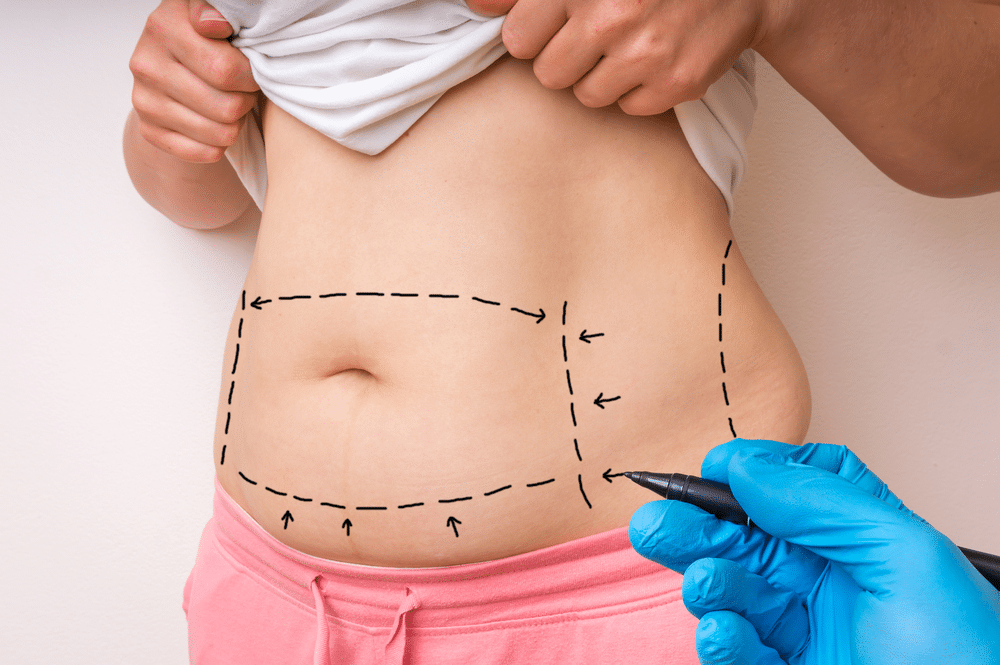
Liposuction is a cosmetic surgical procedure designed to remove excess fat from specific areas of the body to improve contour and overall appearance. It’s important to understand the basics of the liposuction procedure before considering it as an option. Here’s an overview:
Liposuction can be a highly effective way to reshape and contour the body when performed by a skilled and experienced surgeon. However, it’s crucial to have realistic expectations and to follow your surgeon’s post-operative instructions carefully to achieve the best results and minimize potential risks and complications.
Liposuction has evolved over the years, and various techniques have been developed to improve the precision and reduce the scarring associated with the procedure. The type of liposuction technique used can have an impact on scarring potential. Here are some common liposuction techniques and their scarring potential:
Traditional Liposuction: Traditional liposuction, also known as suction-assisted liposuction (SAL), involves the use of a cannula to manually break up and suction out fat cells. This technique typically requires small incisions, and the scarring potential is relatively low. The incisions are usually small and strategically placed in inconspicuous areas.
Tumescent Liposuction: Tumescent liposuction involves the injection of a large volume of a diluted solution containing local anesthesia and epinephrine into the target area before fat removal. This helps to numb the area and minimize bleeding. Tumescent liposuction is often performed with smaller cannulas, which can result in smaller incisions and reduced scarring.
Laser-Assisted Liposuction: Laser-assisted liposuction, such as SmartLipo and SlimLipo, uses laser energy to liquefy fat cells before they are suctioned out. The incisions for laser-assisted liposuction tend to be smaller than those for traditional liposuction, as the liquefied fat is easier to remove. Additionally, the laser energy can stimulate collagen production, potentially leading to improved skin tightening and less noticeable scarring.
Ultrasound-Assisted Liposuction: Ultrasound-assisted liposuction, like VASER liposuction, uses ultrasound technology to break up fat cells before extraction. This technique may involve slightly larger incisions compared to other methods, but the use of ultrasound can help with precision and reduce the risk of damage to surrounding tissues.
Power-Assisted Liposuction (PAL): PAL involves a mechanical, powered cannula that moves back and forth to break up fat cells and facilitate their removal. While this technique can provide smoother results and reduced surgeon fatigue, the incisions are typically small and heal well, resulting in minimal scarring.
Ultimately, the extent of scarring in liposuction depends on factors like the surgeon’s skill, the patient’s skin type, and how well post-operative care is followed. In most cases, liposuction scars are small and tend to fade over time, making them less noticeable. Patients should consult with a board-certified plastic surgeon to discuss the most suitable liposuction technique for their individual needs and concerns regarding scarring.
Factors That Influence Liposuction Scarring
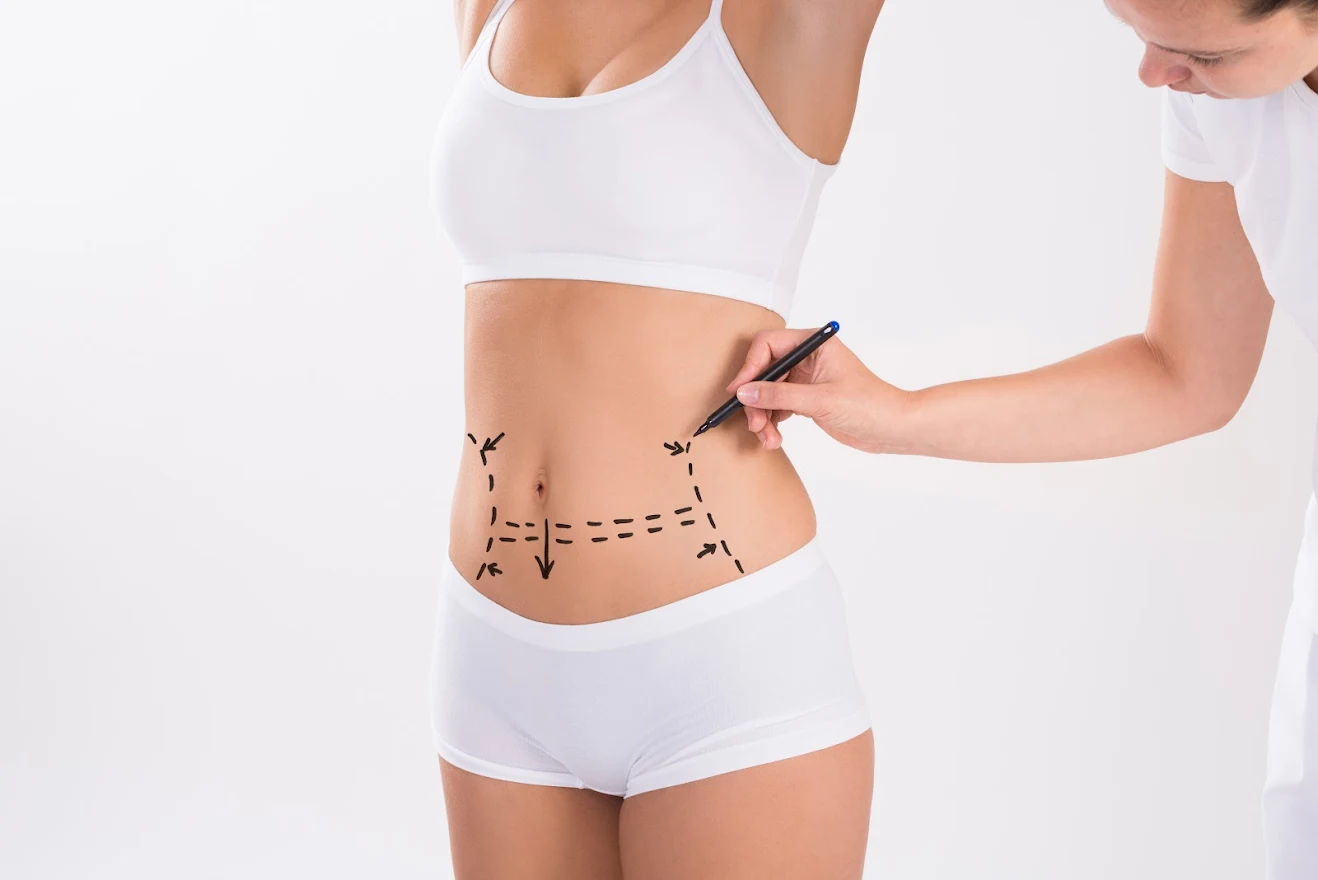
Liposuction is a surgical procedure that involves making small incisions to remove excess fat from the body. While the incisions are typically small and strategically placed to minimize scarring, the extent and visibility of liposuction scars can be influenced by various factors:
Surgeon’s Skill: The skill and experience of the surgeon performing the liposuction procedure play a significant role in the outcome, including scarring. An experienced surgeon is more likely to make precise incisions, perform fat removal effectively, and close incisions neatly, resulting in minimal scarring.
Incision Placement: The location and placement of the incisions are crucial in determining scarring. Surgeons often place incisions in natural skin creases, areas covered by clothing, or less visible locations to minimize the visibility of scars. Proper incision placement can help reduce scarring potential.
Skin Type: A patient’s skin type and its inherent characteristics can influence scarring. Individuals with darker skin may be more prone to hyperpigmentation or keloid scarring, which can make scars more noticeable. Surgeons should take the patient’s skin type into account when planning the procedure and managing post-operative care.
Post-Operative Care: How well a patient follows post-operative care instructions can impact scarring. Patients are typically advised to wear compression garments, avoid excessive sun exposure, and keep the incision sites clean and protected during the healing process. Proper wound care and adherence to instructions can help scars fade and become less noticeable over time.
Genetics and Age: Genetics can also play a role in how a person’s body heals and scars. Some individuals are naturally predisposed to develop more prominent scars. Additionally, age can influence scarring, as older individuals may have decreased skin elasticity, which can affect how scars form and heal.
Complications: Any complications that arise during or after the liposuction procedure, such as infection or poor wound healing, can increase the risk of scarring. Minimizing complications through proper surgical techniques and post-operative care is essential to achieving optimal results.
While it’s impossible to completely eliminate the risk of scarring in any surgical procedure, including liposuction, these factors can be managed and minimized with careful planning, skilled execution, and attentive post-operative care. Patients should discuss their concerns about scarring with their surgeon during the consultation to ensure the best possible outcome.
The healing process after liposuction is a crucial aspect of achieving the desired results and minimizing complications. While individual experiences may vary, here’s a general overview of what to expect after liposuction:
Swelling and Bruising: Swelling and bruising are common after liposuction and can vary in severity depending on the extent of the procedure and the individual’s response to surgery. Swelling typically peaks within the first few days and then gradually subsides over several weeks to months. Wearing compression garments as recommended by your surgeon can help reduce swelling and aid in the healing process.
Discomfort and Pain: Some discomfort and pain are to be expected after liposuction. Your surgeon may prescribe pain medications to manage any post-operative pain. Most patients find that the discomfort is most pronounced in the first few days and gradually improves over time.
Incision Care: It’s important to keep the incision sites clean and dry to prevent infection. Your surgeon will provide specific instructions on how to care for your incisions, which may involve applying antibiotic ointment and changing dressings. Be gentle when handling the incision areas to avoid disrupting the healing process.
Activity Restrictions: While light activity and gentle movement are encouraged to prevent blood clots and improve circulation, strenuous physical activities should be avoided for several weeks after liposuction. Your surgeon will provide guidance on when it’s safe to return to your normal exercise routine.
Scar Care: The incisions made during liposuction are typically small, and scars tend to fade and become less noticeable over time. Your surgeon may recommend scar creams or silicone sheets to help with scar management. It’s essential to protect the incision areas from sun exposure, as UV rays can make scars more visible.
Follow-Up Appointments: You will have follow-up appointments with your surgeon to monitor your progress and ensure that you are healing properly. These appointments are an opportunity to discuss any concerns or questions you may have.
The complete healing process after liposuction can take several months, during which you will see gradual improvements in the treated areas. The final results, including the extent of scarring and the appearance of the treated area, may not be fully realized until the healing process is complete. It’s essential to follow your surgeon’s post-operative instructions closely and maintain open communication throughout the recovery period to ensure the best possible outcome.
Minimizing Scarring: Pre- and Post-Operative Care
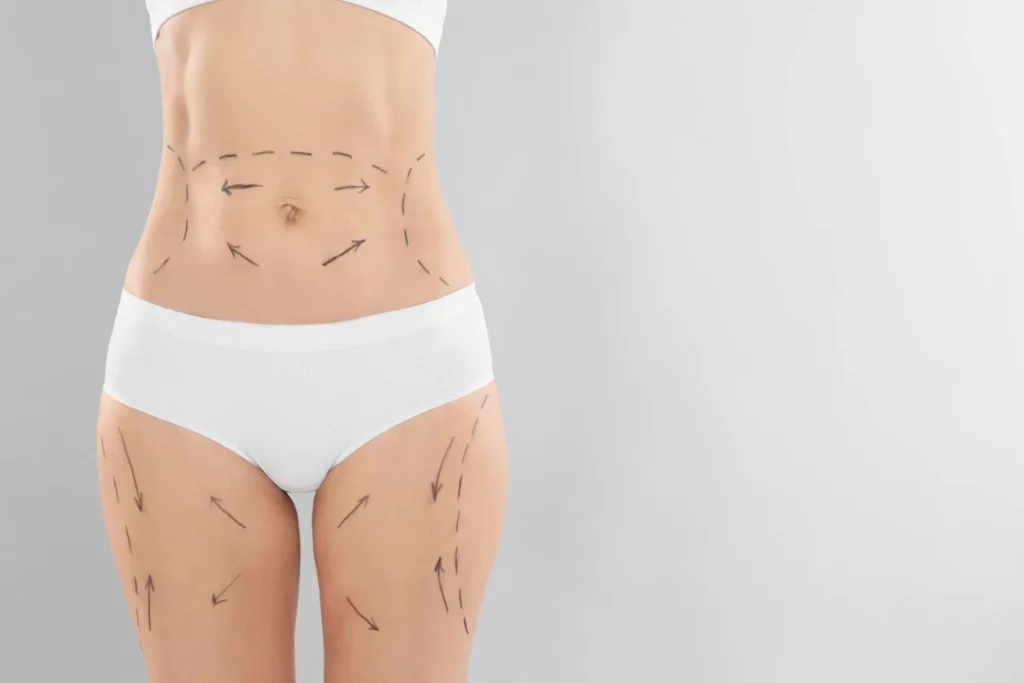
Minimizing scarring is a common concern for individuals undergoing cosmetic procedures like liposuction. Both pre-operative and post-operative care play important roles in reducing the visibility of scars after liposuction:
Pre-Operative Care:
Post-Operative Care:
It’s important to remember that while these pre- and post-operative measures can help minimize scarring, some level of scarring is typically inevitable with any surgical procedure. However, with proper care and attention, the scars from liposuction tend to fade over time and become less noticeable, allowing you to enjoy the improved body contour you desired.
Liposuction scars, like scars from any surgical procedure, are not typically permanent in the sense that they will remain unchanged for the rest of your life. Over the long term, liposuction scars tend to undergo a series of changes that make them less noticeable. Here’s what you can expect regarding the long-term outlook for liposuction scars:
Initial Healing: Immediately after liposuction, the scars will be most noticeable as they go through the initial healing phase. They may appear red, raised, or slightly swollen. However, this phase is temporary.
Scar Maturation: Over the next several months, liposuction scars will undergo a maturation process. During this time, the scars will gradually fade in color from red to pink and eventually to a lighter, less noticeable tone. Scar tissue will also become softer and flatter.
Long-Term Appearance: After about a year or more, the scars from liposuction will continue to improve. They will typically blend in with the surrounding skin, becoming less visible and, in many cases, barely noticeable to the naked eye.
Individual Variation: It’s important to note that the long-term appearance of liposuction scars can vary from person to person. Factors like genetics, skin type, and the specific surgical technique used can influence how scars mature. Some individuals may have scars that fade to the point of being nearly invisible, while others may have slightly more noticeable scars.
Scar Management: Proper scar management during the healing process can also contribute to improved long-term scar outcomes. This includes following your surgeon’s recommendations for scar creams, silicone sheets, or other scar management techniques.
In summary, liposuction scars are not permanent in the sense that they will remain highly visible over the long term. With time, proper care, and the body’s natural healing processes, liposuction scars typically fade and become less noticeable. While some residual scarring may persist, it is usually minimal and easily concealed, allowing patients to enjoy the improved body contour achieved through the procedure.
Treatments for Liposuction Scars
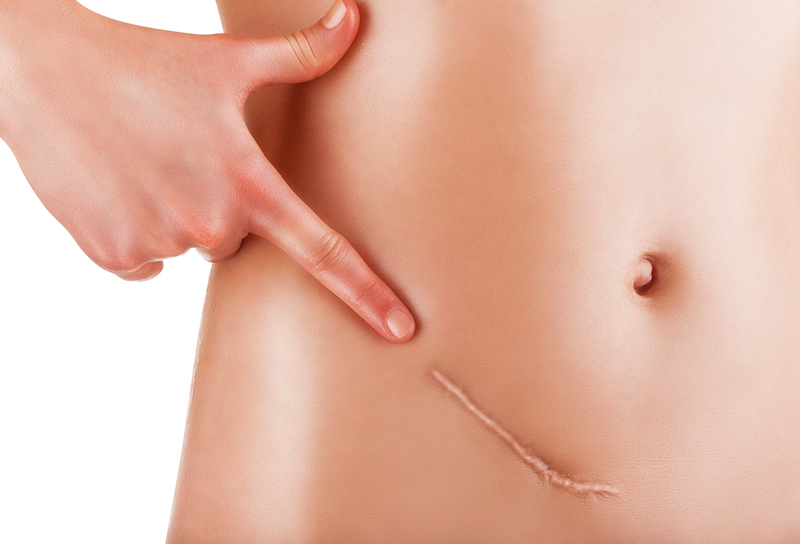
There are several treatments and techniques available to address and improve the appearance of liposuction scars, depending on the type of scar and individual preferences. Here are some common treatments for liposuction scars:
Topical Scar Creams and Gels: Over-the-counter or prescription scar creams and gels containing ingredients like silicone, vitamin E, or onion extract can help soften and flatten scars. These products are typically applied to the scarred area as directed by a healthcare provider and can be effective in reducing scar visibility over time.
Silicone Sheets: Silicone sheets are soft, flexible sheets that can be applied directly to scars. They create a barrier over the scar, keeping it hydrated and providing gentle pressure that helps flatten and fade the scar. Silicone sheets are available in various sizes and can be trimmed to fit the scar’s dimensions.
Laser Therapy: Laser treatments, such as fractional laser or intense pulsed light (IPL), can be used to improve the texture, color, and overall appearance of scars. These treatments work by stimulating collagen production, which can help remodel scar tissue and make it less noticeable. Laser therapy is typically performed by a dermatologist or plastic surgeon.
Steroid Injections: For hypertrophic or keloid scars, which are raised and may be more noticeable, steroid injections can be used to reduce inflammation and flatten the scar. Multiple injections may be needed over time to achieve the desired results.
Microneedling: Microneedling involves using tiny needles to create controlled micro-injuries in the skin. This process can stimulate collagen production and improve the texture and appearance of scars. It is often combined with topical treatments or platelet-rich plasma (PRP) for enhanced results.
Surgical Scar Revision: In some cases, if non-invasive treatments are not effective, surgical scar revision may be considered. This involves removing the old scar tissue and creating a new, smaller incision that heals more cleanly. While scar revision can be effective, it may result in a new scar, which will require ongoing scar management.
The choice of treatment for liposuction scars should be made in consultation with a qualified healthcare provider or dermatologist, who can assess the scar’s type, size, and location and recommend the most appropriate approach. It’s important to note that while these treatments can significantly improve the appearance of scars, complete scar removal is often not achievable, and some residual scarring may persist.
Skin type and genetics play significant roles in how scars form and heal after surgical procedures like liposuction. Understanding these factors can help individuals manage their expectations regarding scarring outcomes:
Skin Type: Different skin types respond differently to injury and surgical procedures. There are generally four main skin types: Type I (fair), Type II (light), Type III (medium), and Type IV (dark). Individuals with darker skin types (Type IV and above) may be more prone to certain types of scarring, such as hyperpigmentation and keloids. Hyperpigmentation refers to the darkening of the skin around a scar, making it more noticeable. Keloids are raised, thickened scars that can extend beyond the boundaries of the original incision.
Genetics: Genetic factors can also influence how a person’s body heals and scars. Some people are genetically predisposed to develop more prominent or noticeable scars, while others may have a genetic advantage in terms of scar formation. Family history can be a valuable indicator of how an individual might scar, so if close relatives have a history of problematic scarring, it’s important to discuss this with a healthcare provider before undergoing a surgical procedure.
Scar Management: Given the influence of genetics and skin type on scarring, it’s crucial for individuals with a higher risk of problematic scarring to engage in proactive scar management. This may include using silicone sheets or gels, following specific post-operative care instructions, and seeking early intervention if any signs of abnormal scarring, such as keloids or hypertrophic scars, develop. With the right approach and careful management, even individuals with a genetic predisposition to scarring can achieve improved scar outcomes.
While genetics and skin type can influence how scars form, it’s important to note that many people, regardless of their genetic background or skin type, can achieve satisfactory scar outcomes with proper care and attention during the healing process. Consulting with a qualified healthcare provider or dermatologist before undergoing any surgical procedure can help assess individual risk factors and develop a personalized plan for scar management.

Preventative Measures for Minimizing Scarring
Preventative measures can be taken before and during surgical procedures like liposuction to minimize scarring and improve the overall healing process. Here are some key strategies to consider:
Choose an Experienced Surgeon: One of the most important steps in preventing excessive scarring is selecting a highly experienced and skilled surgeon. An experienced surgeon will perform precise incisions, handle tissues gently, and use advanced surgical techniques to minimize tissue trauma, all of which can lead to better scar outcomes.
Pre-Operative Preparation: Prior to surgery, it’s important to follow your surgeon’s pre-operative instructions diligently. This may include maintaining a healthy diet, staying well-hydrated, and discontinuing medications or supplements that could affect bleeding or clotting. These measures can support the body’s natural healing processes.
Smoking Cessation: If you’re a smoker, quitting smoking before surgery is highly recommended. Smoking can impair blood flow, reduce oxygen supply to tissues, and delay wound healing, all of which can increase the risk of poor scarring.
Proper Wound Closure: A skilled surgeon will take care to close incisions meticulously, using techniques that minimize tension on the skin and promote clean wound edges. Proper wound closure can lead to better scar formation.
Scar Care During Healing: After surgery, follow your surgeon’s post-operative care instructions closely. This may include applying antibiotic ointments, keeping the incisions clean and dry, and wearing compression garments if recommended. These measures can help prevent complications and promote optimal healing.
Scar Management Products: Consider using scar management products, such as silicone sheets, gels, or creams, as recommended by your surgeon. These products can aid in keeping the scar hydrated, flattening it, and improving its overall appearance.
Sun Protection: Protecting the incision areas from direct sunlight is essential. UV rays can darken and make scars more noticeable. Use sunscreen or cover the treated areas with clothing or bandages when exposed to the sun.
Regular Follow-Up Appointments: Attend all scheduled follow-up appointments with your surgeon to monitor your healing progress and address any concerns promptly. Your surgeon can provide guidance on scar care and intervene if necessary.
By taking these preventative measures, you can help minimize scarring and increase the likelihood of achieving optimal results after liposuction or any other surgical procedure. Consulting with a board-certified plastic surgeon who specializes in liposuction can provide further guidance and personalized recommendations for scar prevention.
