
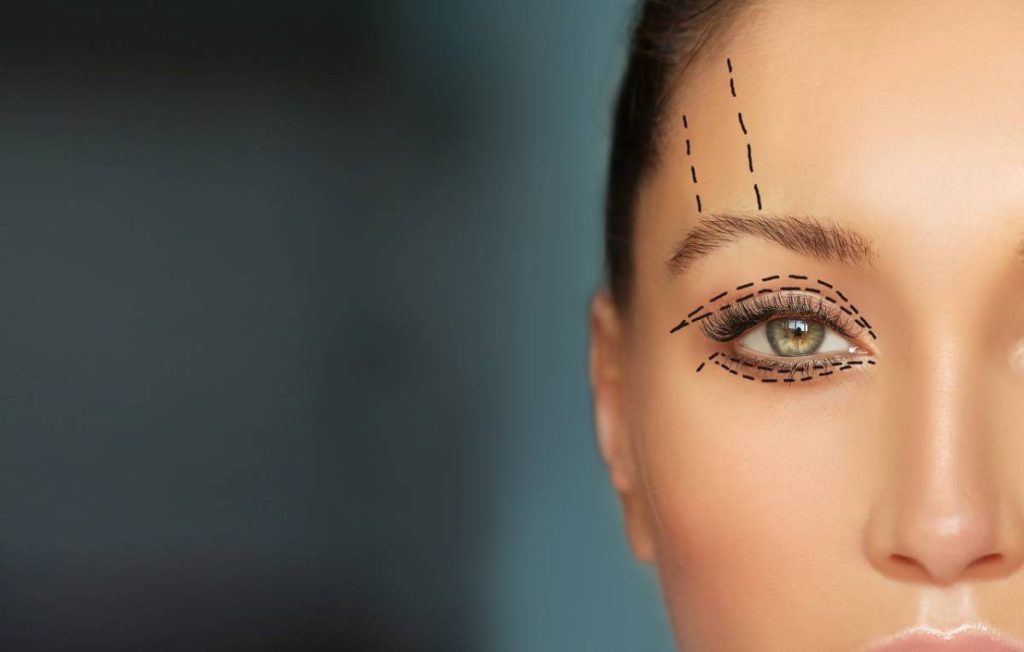
Eyelid and facial aesthetics, encompassing a range of cosmetic and surgical procedures, offer numerous benefits that extend beyond mere physical appearance. These interventions, tailored to the unique needs and desires of each individual, aim to enhance facial symmetry and balance, often leading to a rejuvenated and refreshed appearance. In the realm of eyelid surgeries, such as blepharoplasty, the primary goal is often to correct drooping eyelids or remove excess skin, which can obstruct vision and contribute to an aged look. By addressing these issues, patients not only gain a more youthful and alert appearance but also experience functional improvements, such as a broader field of vision and reduced eye strain.
Beyond the physical enhancements, there’s a profound psychological impact associated with eyelid and facial aesthetic procedures. For many individuals, these treatments can lead to a significant boost in self-confidence and self-esteem. Looking in the mirror and seeing a reflection that aligns more closely with one’s inner sense of youth and vitality can be empowering. This positive change in self-perception often translates to various aspects of life, including social interactions and professional opportunities, where a rejuvenated appearance can make a striking difference.
Moreover, advancements in medical technology and techniques have made these procedures safer and more accessible. Minimally invasive methods, for example, offer shorter recovery times and reduced risk of complications, making them a feasible option for a wider range of people. The customization of treatments to suit individual facial structures and aesthetic goals ensures that results are as natural-looking as possible, maintaining the unique characteristics that define each person’s face. This personalized approach in cosmetic enhancement respects the individuality of each patient, ensuring that the changes complement their natural features rather than overshadowing them.
As the field of eye aesthetics continues to evolve, it brings forward a myriad of possibilities for individuals looking to rejuvenate their eye area, blending artistry with medical expertise. The focus on eye aesthetics specifically highlights the importance of the eyes in overall facial harmony, recognizing them as a pivotal aspect of one’s appearance and expression. With the advancements in eye aesthetic treatments, individuals can now enjoy the benefits of a more youthful and vibrant look, reflecting their inner spirit through the windows to their soul.
The Psychological Benefits of Aesthetic Procedures
The psychological benefits of aesthetic procedures are profound and multifaceted, often transcending the immediate physical enhancements they offer. At the core of these benefits is the concept of self-perception, which plays a crucial role in an individual’s overall mental well-being. Aesthetic procedures, ranging from minimally invasive treatments to more comprehensive surgeries, can significantly alter how individuals view themselves, leading to a heightened sense of self-satisfaction and confidence. This improved self-image is not just a surface-level change; it often permeates various aspects of one’s life, positively influencing personal, social, and professional interactions. The feeling of contentment with one’s appearance can lead to greater confidence in expressing oneself and engaging with others, fostering a more fulfilling and active social life.
Moreover, aesthetic enhancements can have therapeutic effects, particularly for those who have long been self-conscious about certain aspects of their appearance. For many, these procedures are a way to address long-standing insecurities, allowing individuals to overcome barriers that may have hindered their social interactions or professional growth. The psychological uplift that comes from aligning one’s external appearance with their internal sense of self can be immensely empowering. It’s not merely about conforming to societal standards of beauty but about feeling comfortable and confident in one’s skin. This can lead to a more positive outlook on life, improved mood, and in some cases, even a reduction in anxiety and depression related to body image issues.
In addition to these personal benefits, the societal perception of aesthetic procedures has evolved, becoming more accepted and understood as a form of self-care and self-improvement. This shift in perception further validates the decision of many to pursue these treatments, reinforcing the positive psychological outcomes. The choice to undergo an aesthetic procedure is increasingly seen as an act of self-empowerment, a step taken not for the approval of others but for one’s own sense of well-being and happiness. This evolution mirrors a broader societal trend towards prioritizing mental health and recognizing the interconnectedness of physical appearance and psychological health.
Eyelid surgery, or blepharoplasty, serves as a powerful tool in both enhancing vision and rejuvenating one’s appearance. This surgical procedure, aimed at correcting issues with the eyelids, can have a transformative impact on an individual’s life. For many, the primary motivation behind seeking blepharoplasty is the improvement of obstructed vision caused by drooping eyelids. This condition, often age-related, can significantly reduce peripheral vision, particularly the upper and outer parts, making daily tasks such as driving or reading increasingly challenging. By removing excess skin, fat, and muscle, blepharoplasty restores a full range of vision, contributing to a better quality of life and enhanced safety in everyday activities.
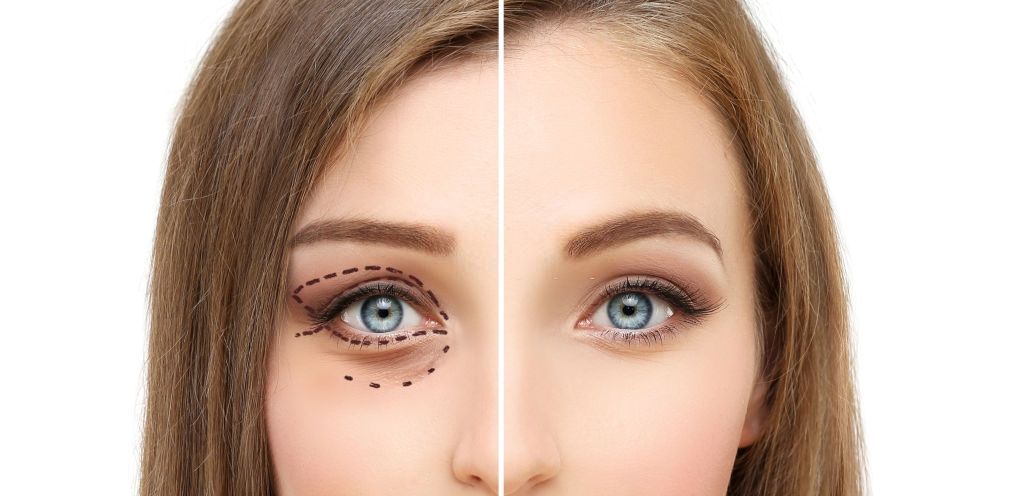
Apart from the functional benefits, blepharoplasty offers substantial aesthetic advantages. Over time, the eyelids can sag or develop bags, contributing to a tired, aged appearance. This surgery helps in creating a more youthful, alert look by addressing these issues. The results often lead to a more rested and energetic facial expression, which can, in turn, have a positive impact on social interactions and self-esteem. The changes, while significant, are typically subtle enough to look natural, preserving the unique characteristics of the patient’s face. This balance between making noticeable improvements and maintaining individuality is a key aspect of the procedure’s appeal.
The dual benefits of blepharoplasty—enhanced vision and improved appearance—make it a highly sought-after procedure. Its ability to address both functional impairments and cosmetic concerns in a single intervention underscores the holistic approach of modern cosmetic surgery. Patients not only gain practical benefits but also experience psychological uplift from their refreshed appearance. This synergy of health and aesthetics in blepharoplasty exemplifies how cosmetic procedures can have far-reaching effects, improving both physical and psychological well-being.
Non-Surgical Facial Aesthetics: Fillers, Botox, and More
Non-surgical facial aesthetics have revolutionized the approach to cosmetic enhancement, offering a range of treatments like fillers and Botox that provide significant results without the need for invasive surgery. These minimally invasive procedures have gained immense popularity due to their convenience, lower risk, and often immediate results. Dermal fillers, for instance, are used to plump up areas that have lost volume and smoothness with age, effectively reducing the appearance of wrinkles and giving the skin a more youthful look. They are particularly popular for enhancing lips, smoothing out lines around the mouth, and restoring volume to cheeks and other facial areas. The versatility of fillers makes them a favored choice for those looking to achieve a natural yet noticeable improvement in their facial aesthetics.
Botox, another pillar of non-surgical facial aesthetics, works differently by temporarily paralyzing muscles, thus smoothing out wrinkles and preventing the formation of new ones. Commonly used to treat lines on the forehead, crow’s feet, and frown lines, Botox offers a way to maintain a more youthful appearance with regular treatments. The procedure is quick, typically taking only a few minutes, and the results can last several months, making it a convenient option for busy individuals. The appeal of Botox lies in its ability to deliver a more relaxed and refreshed facial appearance without altering the fundamental features of the face.
The rise of non-surgical procedures like fillers and Botox represents a shift in the cosmetic industry towards treatments that offer subtle enhancements and natural-looking results with minimal downtime. These treatments cater to a broad spectrum of individuals, from those seeking early interventions to maintain their youthful appearance to those looking to reduce visible signs of aging. Their non-invasive nature reduces the risks associated with surgery, such as scarring or longer recovery periods, making them an attractive option for many. Moreover, the temporary nature of these treatments allows individuals to experiment with their appearance without committing to permanent changes, offering a flexibility that aligns well with modern lifestyle demands and aesthetic preferences.
Facial rejuvenation encompasses a spectrum of treatments and procedures aimed at combating the signs of aging, restoring a more youthful appearance. The anti-aging effects of these interventions are profound, extending beyond mere cosmetic enhancement to include a holistic improvement in skin health and vitality. As the skin ages, it naturally loses elasticity and volume, leading to wrinkles, fine lines, and a general lackluster appearance. Facial rejuvenation techniques, ranging from laser treatments and chemical peels to more advanced surgical procedures, effectively target these aging signs. They work by stimulating the skin’s natural healing processes, promoting collagen production, and restoring the skin’s underlying structure. This not only reduces visible signs of aging but also enhances the overall texture and tone of the skin, giving it a more vibrant and healthy appearance.
One of the key advantages of facial rejuvenation is its ability to tailor treatments to individual needs and concerns. For instance, non-invasive methods like microdermabrasion or injectables offer quick and noticeable improvements with minimal downtime, ideal for those with early signs of aging or those seeking maintenance treatments. On the other hand, more comprehensive approaches like facelifts or eyelid surgeries provide dramatic results, addressing significant sagging and deep wrinkles that cannot be effectively treated with less invasive methods. This customization ensures that individuals receive the most appropriate treatment for their specific aging concerns, leading to more satisfactory and natural-looking results.
The psychological impact of facial rejuvenation is as significant as its physical benefits. The restoration of a youthful appearance often brings a renewed sense of confidence and well-being. Many individuals report feeling more vibrant and energetic, reflecting the rejuvenated appearance they see in the mirror. This boost in self-esteem can have a ripple effect on various aspects of life, from personal relationships to professional endeavors. In today’s society, where appearance and youthfulness often play a role in social interactions, the ability to present a refreshed and rejuvenated self can be empowering. Thus, facial rejuvenation, in addressing the visible signs of aging, plays a crucial role not only in enhancing physical appearance but also in improving overall quality of life.
Downtime and Recovery: What to Expect Post-Treatment
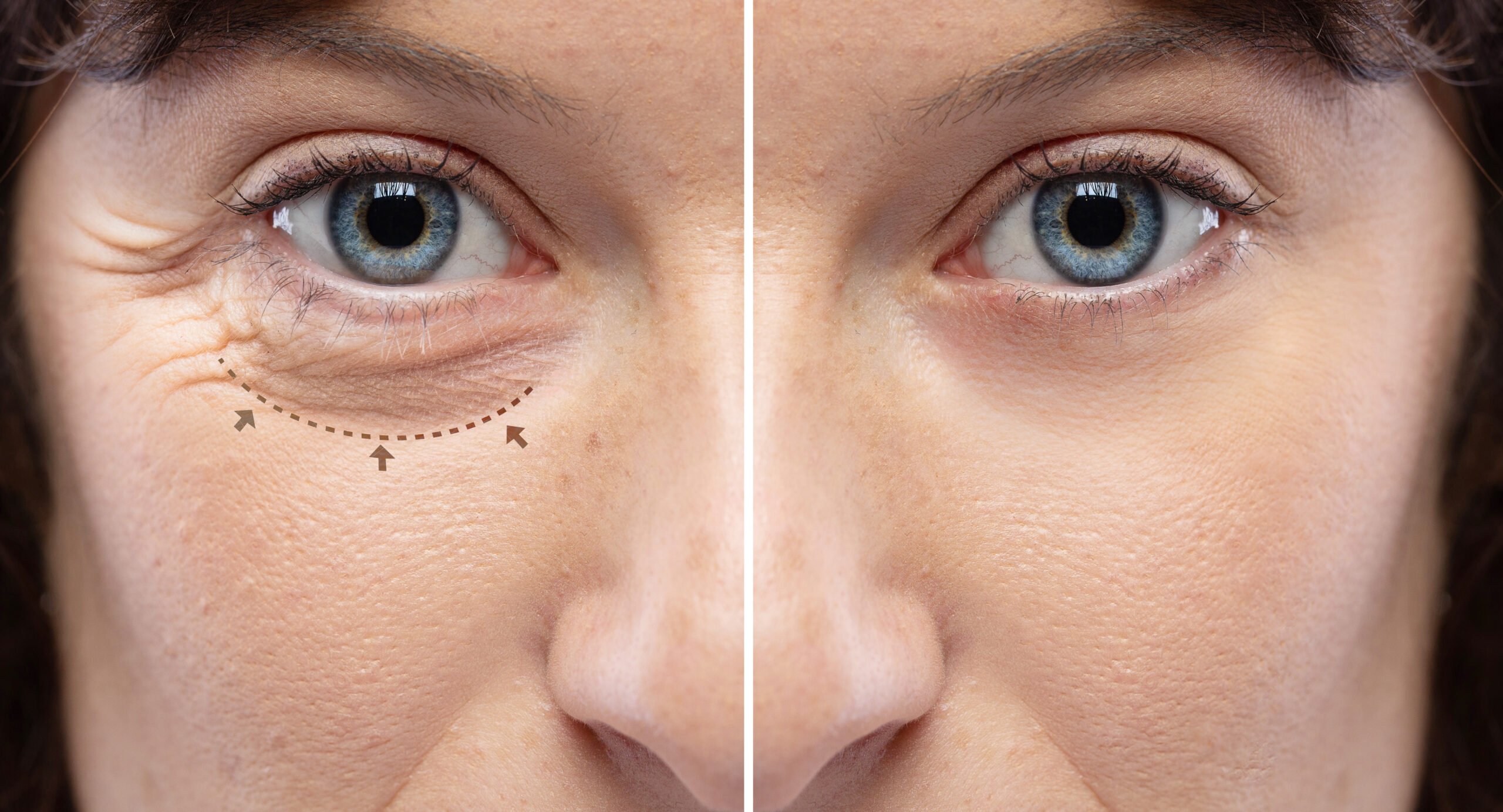
Downtime and recovery are critical aspects to consider when undergoing any aesthetic treatment, and they can vary greatly depending on the type and intensity of the procedure. For non-invasive treatments like injectables or laser therapy, the recovery period is typically minimal. Patients often experience some redness, swelling, or minor discomfort immediately following the procedure, but these symptoms usually subside within a few hours to a few days. The convenience of these treatments lies in their “lunchtime procedure” nature, allowing individuals to return to their daily activities almost immediately, with little to no downtime. However, it’s important to follow post-treatment care instructions, such as avoiding direct sun exposure or refraining from certain skincare products, to ensure optimal healing and results.
In contrast, more invasive procedures like surgical facelifts or extensive laser resurfacing require a longer recovery period. Post-surgical patients may experience swelling, bruising, and discomfort that can last for several days to a couple of weeks. Surgeons typically provide comprehensive guidelines for post-operative care, which may include medications for pain management, instructions for wound care, and restrictions on physical activities. Adherence to these guidelines is crucial for minimizing the risk of complications and ensuring a smooth healing process. It’s also important for patients to have realistic expectations regarding the recovery process and to plan accordingly, potentially taking time off work and arranging for assistance during the initial recovery period.
Regardless of the treatment type, a crucial part of the recovery process is the follow-up care. Regular check-ins with the healthcare provider allow for monitoring the healing progress and addressing any concerns that may arise. It’s also an opportunity for the provider to advise when normal activities can be resumed or when additional treatments may be beneficial. Understanding and preparing for the recovery process is essential for any aesthetic treatment, as it not only ensures safety and health but also contributes to the overall success and satisfaction with the results. Patience and proper care during this period play a significant role in achieving the desired aesthetic outcomes.
The pursuit of facial symmetry and balance is a central goal in aesthetic treatments, reflecting an age-old understanding that these elements are key to perceived beauty and attractiveness. Facial aesthetics, through various procedures and treatments, aim to enhance or restore symmetry and create a harmonious balance among facial features. This pursuit is rooted in the psychological principle that humans are naturally drawn to symmetry, associating it with health, genetic fitness, and beauty. Asymmetries in the face, whether congenital or resulting from aging or environmental factors, can subtly influence how individuals are perceived by others and, importantly, how they view themselves.
Aesthetic interventions, ranging from fillers and Botox to surgical procedures like rhinoplasty or facelifts, are meticulously planned and executed to improve facial harmony. For example, dermal fillers can be used to balance uneven lips or cheeks, and Botox can correct asymmetrical facial expressions caused by uneven muscle activity. Surgical interventions might be more appropriate for significant asymmetries or for restructuring certain facial features to achieve a more balanced look. These treatments, when done skillfully, do not radically alter one’s appearance; rather, they subtly enhance the existing features to create a more symmetrical and balanced face.
The impact of achieving facial symmetry and balance extends beyond mere aesthetics. It often leads to an increase in self-confidence and psychological well-being. People generally feel more comfortable and confident when they perceive their facial features as harmonious and balanced. This positive self-perception can influence various aspects of life, from personal relationships to professional interactions. In the realm of facial aesthetics, the artistry lies not just in the technical execution of procedures but in the understanding of how subtle changes can profoundly impact an individual’s self-image and the perception of others. This delicate balance of art and science in aesthetics plays a crucial role in enhancing not only physical appearance but also overall quality of life.
Aesthetic Treatments for Skin Texture and Tone Improvement
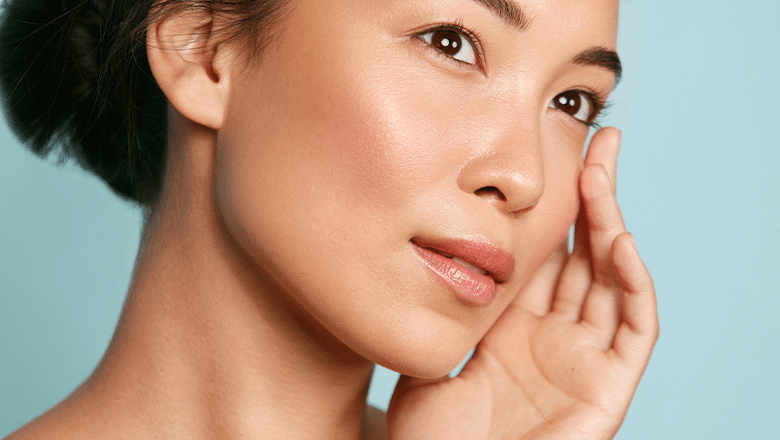
Aesthetic treatments for improving skin texture and tone are pivotal in the realm of cosmetic enhancements, offering solutions that revitalize the skin, making it appear more youthful, radiant, and healthy. Over time, factors like aging, sun exposure, lifestyle habits, and environmental pollutants can take a toll on the skin, leading to issues such as dullness, uneven texture, fine lines, and discoloration. Aesthetic treatments designed to address these concerns work by stimulating the skin’s natural rejuvenation processes, promoting the production of collagen and elastin, and improving overall skin health.
Among the popular treatments for enhancing skin texture and tone are chemical peels, microdermabrasion, and laser therapies. Chemical peels involve applying a solution to the skin to remove the outer, damaged layers, revealing smoother, more vibrant skin underneath. They are effective in treating a range of concerns, from acne scars to age spots, and can be customized in strength depending on the patient’s skin type and goals. Microdermabrasion, a less invasive option, uses a mechanical device to exfoliate the skin, removing dead skin cells and promoting new cell growth. This treatment is particularly beneficial for those with dull or uneven skin texture, as it helps to restore a smoother and more radiant complexion.
Laser treatments, on the other hand, use targeted light to penetrate the skin, addressing concerns at a deeper level. These treatments can vary in intensity, from gentle lasers that require little to no downtime, to more aggressive resurfacing lasers that offer dramatic results in texture and tone improvement. Lasers are effective in treating a wide range of skin issues, including deep wrinkles, significant sun damage, and severe pigmentation irregularities. They work by removing the outer layers of skin and stimulating collagen production, which helps in the healing process, resulting in firmer, clearer, and more youthful-looking skin.
Each of these treatments offers a pathway to improved skin texture and tone, but the choice of procedure depends on individual skin concerns, desired results, and the willingness to undergo a recovery period. A consultation with a skincare professional or dermatologist can provide guidance on the most suitable treatment option. Regular maintenance treatments and a good skincare routine can prolong the benefits of these procedures, ensuring long-lasting results and healthier, more resilient skin.
Combining eyelid surgery with other facial procedures is a strategic approach often employed to achieve a more comprehensive and harmonious rejuvenation of the face. Eyelid surgery, or blepharoplasty, is typically focused on correcting drooping eyelids and removing excess skin or fat around the eyes. While it significantly enhances the eye area, making it look more youthful and alert, addressing only the eyelids may not fully harmonize with the rest of the facial features, especially if there are other areas affected by aging or asymmetry. Therefore, combining it with other procedures can yield a more balanced and aesthetically pleasing overall result.
Common combinations include eyelid surgery with a facelift or brow lift. A facelift targets the lower two-thirds of the face, addressing issues like sagging skin, jowls, and deep wrinkles. When performed in conjunction with eyelid surgery, it provides a more complete facial rejuvenation, as the improvements extend from the forehead down to the neck, ensuring that all areas of the face are refreshed in a uniform manner. A brow lift, on the other hand, lifts and tightens the forehead area, which can complement upper eyelid surgery particularly well. It can help in correcting a drooping brow and reducing forehead lines, which often contribute to an aged appearance around the eyes.
The decision to combine procedures should be made in consultation with a qualified plastic surgeon, who can assess the patient’s individual features and recommend a personalized treatment plan. Combining surgeries can be more efficient, requiring a single recovery period instead of multiple ones, which is often appealing to patients. However, it’s important to consider the increased complexity and potential risks associated with multiple procedures. The surgeon’s expertise in facial anatomy and aesthetics plays a crucial role in ensuring that the combined procedures enhance each other, leading to a natural, balanced appearance. Proper planning and execution of these combined procedures can lead to more satisfying results, as they address the face as a whole, rather than in isolated sections, creating a more youthful and harmonious look.
Longevity of Results: Surgical vs. Non-Surgical Approaches
The longevity of results from aesthetic procedures is a key factor in the decision-making process, and it varies significantly between surgical and non-surgical approaches. Surgical procedures, such as facelifts, rhinoplasty, or blepharoplasty, generally offer more enduring results. These surgeries involve physical alterations to the facial structures, such as removing excess skin, reshaping tissue, or modifying bone, which yield changes that can last for many years. For instance, a facelift can combat signs of aging by tightening and repositioning the facial skin and underlying tissues, and these results can be long-lasting, often remaining effective for a decade or more. However, it’s important to note that while surgical interventions can be quite enduring, they do not halt the aging process. Natural aging and environmental factors continue to play a role, and over time, signs of aging will gradually reappear.
Non-surgical approaches, on the other hand, such as fillers, Botox, and laser treatments, typically offer temporary results that require regular maintenance. The longevity of these treatments can range from a few months to a couple of years, depending on the type of procedure and the individual’s response. For example, the effects of Botox usually last around three to six months, after which repeated treatments are needed to maintain the results. Dermal fillers have a slightly longer duration, with some lasting up to a year or more, depending on the type of filler used and the area treated. These non-surgical treatments are often preferred by individuals seeking less invasive options, with minimal downtime and lower risk, despite the need for ongoing maintenance.
The choice between surgical and non-surgical treatments ultimately depends on the individual’s aesthetic goals, lifestyle, and willingness to undergo surgery and its associated recovery time. Surgical procedures are more suitable for those seeking substantial, long-term changes, while non-surgical treatments are ideal for those who prefer less invasive approaches with shorter recovery times, even if it means the results are temporary and require ongoing maintenance. It’s essential for individuals to have realistic expectations regarding the longevity of results and to discuss these aspects with their healthcare provider before deciding on a treatment plan. Regular follow-up treatments for non-surgical procedures and a healthy lifestyle can help extend the longevity of results, regardless of the chosen approach.
Safety considerations are paramount in eyelid and facial aesthetic procedures, given the delicate nature of facial structures and the importance of preserving both appearance and function. When contemplating eyelid surgery (blepharoplasty) or any facial aesthetic treatment, it’s crucial to understand the potential risks and to ensure that the procedure is carried out by a qualified and experienced professional. Eyelid surgery, while generally safe, carries potential risks like any surgical procedure. These can include infection, scarring, temporary blurred vision, and, in rare cases, more serious complications such as damage to eye muscles or issues with eyelid function. To minimize these risks, a thorough pre-operative assessment is essential. This includes a detailed medical history, an evaluation of eye health, and a clear understanding of the patient’s aesthetic goals and expectations.
For non-surgical facial aesthetic treatments, such as injectables and laser procedures, safety also hinges on the expertise of the practitioner. Complications, while typically less severe than those associated with surgery, can still occur. For example, improper injection techniques can lead to asymmetry, undesirable aesthetic results, or, in rare cases, more serious complications like infection or vascular issues. With laser treatments, there’s a risk of burns, scarring, and pigmentation changes, particularly if the procedure is not performed correctly or if post-treatment care instructions are not followed.
To ensure safety, it is crucial for patients to seek treatments from qualified, experienced professionals who have a thorough understanding of facial anatomy and the specific techniques involved in each procedure. Patients should openly discuss their medical history, concerns, and expectations with their practitioner. Additionally, following post-procedure instructions carefully is vital for a safe recovery and optimal results. This might include guidelines on skincare, sun exposure, and signs of complications to watch for. By choosing a qualified practitioner and adhering to post-treatment care, patients can significantly reduce the risks associated with eyelid and facial aesthetic procedures. The importance of safety in these procedures cannot be overstated, as it not only ensures the physical well-being of the patient but also contributes to the success and satisfaction with the aesthetic outcome.
